⚽ Sports
Live
FIA reviewing engine findings as 'surprised' Red Bull question ADUO results
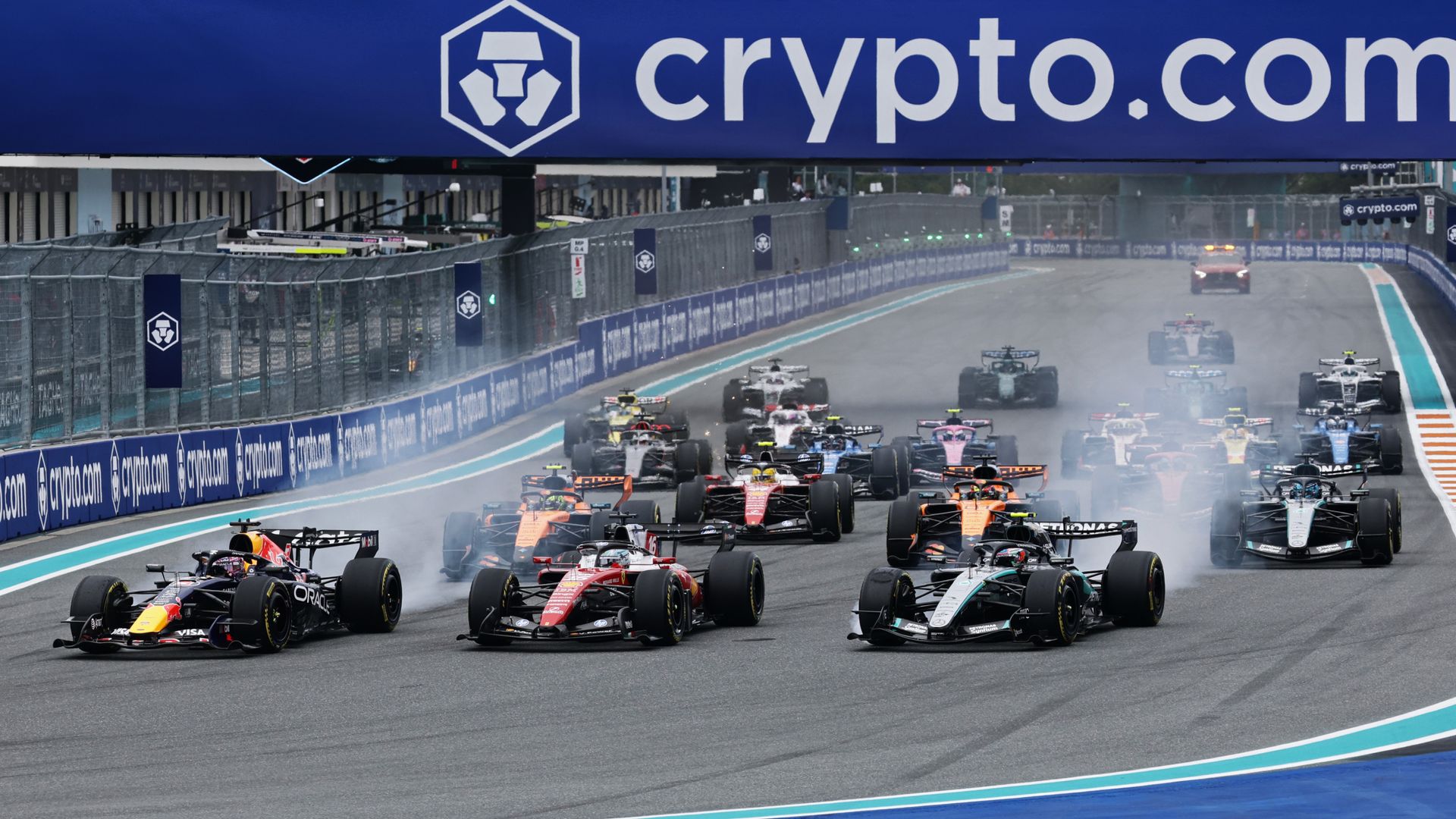
The FIA are reviewing their engine performance findings after Red Bull were named as the power unit manufacturer with the best Formula 1 engine.
Sky Sports — 16 June 2026
Text:
15
0
0
The FIA are reviewing their engine performance findings after Red Bull were named as the power unit manufacturer with the best Formula 1 engine. This
Read Full Story at Sky Sports →
⚡ Quickyla Analysis
Original editorial context — not sourced from the article above
The FIA’s decision to review its engine performance findings—prompting visible frustration from Red Bull—highlights a simmering tension in Formula 1 that extends far beyond a single technical report. At its core, this dispute underscores the sport’s shifting power dynamics between regulators and top teams, where data integrity and competitive fairness are increasingly scrutinized. Red Bull’s public skepticism over the ADUO results suggests a deeper unease: if the governing body’s evaluations are perceived as unreliable, it risks eroding trust in a system already under pressure to justify its technical decisions, particularly as hybrid engine regulations push the boundaries of innovation.
This isn’t an isolated incident. The FIA’s engine assessment has long been a black box, relying on proprietary methodologies that teams rarely fully disclose. Yet as the championship tightens—with Red Bull, Mercedes, and Ferrari locked in a technological arms race—the stakes of these evaluations have never been higher. The potential for disputes grows when performance gaps narrow, as they have in recent seasons, where a few horsepower can decide races. If Red Bull’s challenge gains traction, it could force the FIA to adopt more transparent benchmarks, possibly even opening engine data to independent audits, a move that would reshape how power units are regulated.
What happens next is uncertain. Will the FIA stand by its findings, risking further backlash from a team that has dominated the sport in recent years? Or will it concede to scrutiny, potentially setting a precedent that empowers other teams to challenge future assessments? The broader implication is whether Formula 1’s technical governance can keep pace with its commercial and sporting evolution. As the sport prepares for sweeping 2026 regulation changes—including a shift to 100% sustainable fuels and cost cap adjustments—the reliability of its engine evaluations could become a lightning rod for deeper debates about fairness, transparency, and the balance of power between the FIA and its most influential stakeholders. The outcome here may very well shape how the next era of F1 is governed.
Sources
⚽ Sports
Don’t underestimate young athletes — the NAACP boycott plan could actually work

⚽ Sports
The football fans who went to a World Cup and loved it so much, they stayed
⚽ Sports
Barcelona Is Reportedly Pushing For Roony Bardghji’s Summer Exit

⚽ Sports
Arkansas baseball can't overcome pitching, defensive flaws as 2026 season ends
⚽ Sports
English clubs monitoring Marseille midfielder Tochukwu Nnadi’s situation

⚽ Sports
Champions League final: PSG's players and fans 'kept on believing'


