🌍 World News
Live
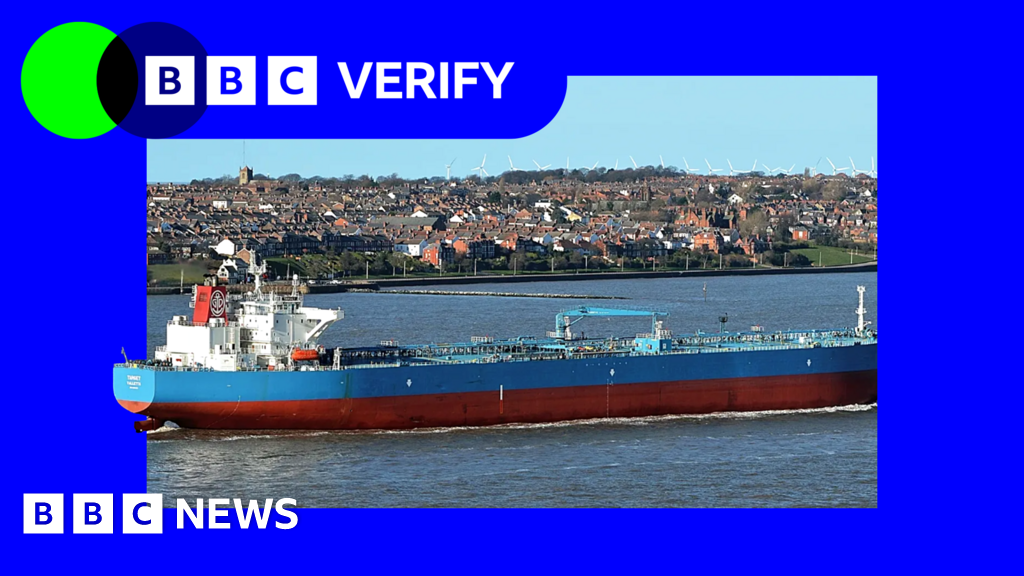
First Russian shadow fleet vessel enters Channel since Smyrtos boarding
A Russian "shadow fleet" tanker has entered the English Channel for the first time since UK forces boarded the Smyrtos early on Sunday morning, ship tracking data reviewed by BBC Verify shows. Forwa…
BBC World News — 18 June 2026
Text:
30
0
0
A Russian "shadow fleet" tanker has entered the English Channel for the first time since UK forces boarded the Smyrtos early on Sunday morning, ship t
Read Full Story at BBC World News →
⚡ Quickyla Analysis
Original editorial context — not sourced from the article above
The reappearance of a Russian shadow fleet vessel in the English Channel marks more than just another act of geopolitical brinkmanship—it signals a deliberate escalation in Moscow’s cat-and-mouse game with Western maritime enforcers. These so-called shadow tankers, often older, heavily repurposed ships with opaque ownership and deliberately obscured transponders, have become central to Russia’s efforts to circumvent sanctions on its oil exports. The timing, coming just days after British commandos boarded the Smyrtos under suspicion of sanctions violations, is no coincidence. It suggests either defiance or a calculated test of how far Western powers are willing to push enforcement before risking direct confrontation.
What makes this development particularly significant is the Channel’s symbolic weight. As one of the world’s busiest shipping lanes, it’s not just a transport corridor but a theater where sovereignty and enforcement collide. The UK’s decision to physically intercept a vessel—even one suspected of sanctions breaches—sends a strong signal that London is willing to escalate beyond diplomatic protests. Yet the shadow fleet’s quiet reentry implies Russia has already adapted. Many of these ships operate under flags of convenience, with crews composed of individuals indifferent to sanctions rhetoric, making interdiction increasingly complex.
The broader context here is the accelerating fragmentation of global maritime governance. The shadow fleet isn’t just a Russian gambit; it’s a symptom of a wider erosion of consensus on sanctions enforcement. Countries like China and India continue purchasing Russian crude at discounted rates, while European ports face mounting pressure to either comply with sanctions or risk losing trade. Meanwhile, the UK and its allies are caught between asserting authority over their waters and avoiding incidents that could spiral into broader conflict.
Looking ahead, the most pressing question is whether this was a one-off provocation or the opening salvo in a sustained campaign. Will more shadow vessels attempt the Channel, or will they redirect through less scrutinized routes? And crucially, how will the UK respond if another vessel refuses to heed orders? The answers will reveal not just the resilience of Western sanctions but the limits of maritime sovereignty in an era where gray-zone tactics are becoming the norm.
Sources

🌍 World News
Man fleeing police attacked by alligator before continuing his getaway, Louisiana authorities say
🌍 World News
US crude exports hit record high in May as Iran war tightens global oil supplies

🌍 World News
Agitators outside Delaney Hall set up organized logistics operation before Newark protests began

🌍 World News
French doctors sound alarm over drinking water pollution

🌍 World News
Iran, Kuwait, Bahrain hit: Is the war in the Gulf escalating again?

🌍 World News
Four people trapped in flooded cave in Laos pulled to safety

