FISA spying power scheduled to expire as House fails to extend it before leaving town
FISA Section 702, a warrantless surveillance tool, is set to lapse as Congress fights with President Donald Trump about Bill Pulte, the acting Director of National Intelligence.
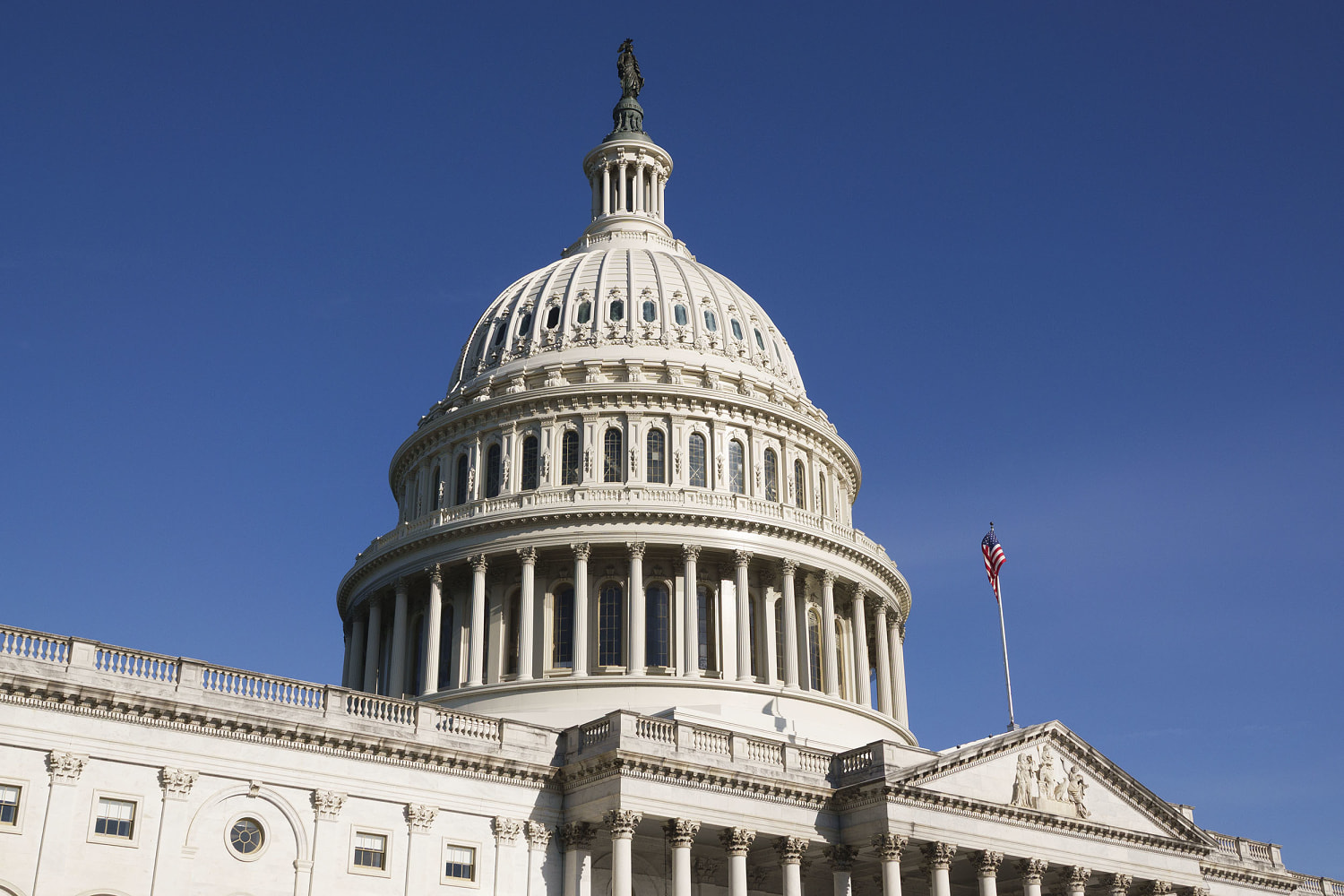
FISA Section 702, a warrantless surveillance tool, is set to lapse as Congress fights with President Donald Trump about Bill Pulte, the acting Directo
Read Full Story at NBC News →Why This Matters
The expiration of FISA Section 702 marks a rare breakdown in the surveillance state’s long-standing bipartisan consensus, signaling potential cracks in the intelligence community’s ability to monitor foreign threats without warrants. For Americans, the lapse could mean a temporary blackout on critical counterterrorism and cyber espionage operations, raising questions about whether security takes precedence over civil liberties during election years.
Background Context
Enacted in 2008 and reauthorized multiple times, Section 702 allows the NSA to collect communications of non-Americans abroad without a warrant, but incidentally sweeps up Americans’ data—a loophole critics argue violates Fourth Amendment protections. The program has faced recurring scrutiny over misuse, including FBI agents querying the database for political figures, but its renewal has historically been treated as a national security imperative, even amid partisan gridlock.
What Happens Next
With Congress in recess, lawmakers now face a tight window to revive 702 retroactively or risk operational disruptions for agencies like the FBI and NSA. The standoff over Bill Pulte’s nomination spotlights deeper fissures over intelligence oversight, as Trump’s allies demand accountability while Democrats push for stricter reforms. If the lapse drags on, temporary fixes like stopgap funding or emergency authorities could become stopgaps for a system in flux.
Bigger Picture
This deadlock reflects a broader erosion of trust in institutional power, where surveillance authorities—once treated as sacrosanct—now face skepticism from both the left and right. The battle over 702 may foreshadow a new era of legislative gridlock on intelligence matters, where even long-standing security tools become bargaining chips in broader political conflicts.







