Flesh-eating screwworm found in Texas cow. Are humans at risk?
USDA announced the detection of a New World screwworm infection in a cow in Texas, marking the state's first confirmed case in decades.
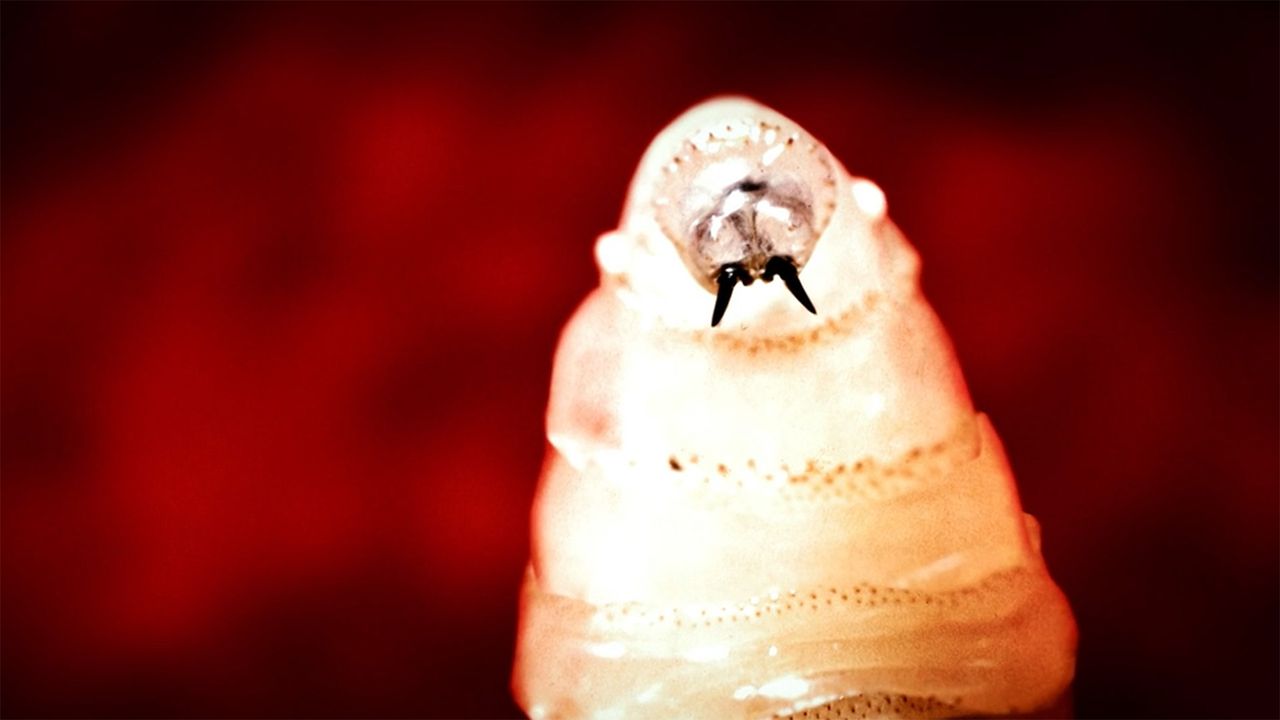
USDA announced the detection of a New World screwworm infection in a cow in Texas, marking the state's first confirmed case in decades. This report c
Read Full Story at Live Science →Why This Matters
The reemergence of New World screwworm in Texas signals a potential resurgence of a disease once thought eradicated in the U.S., threatening livestock industries worth billions while raising alarms about biosecurity gaps. Beyond economic strain, the detection underscores vulnerabilities in cross-border pest management, as the parasite is known to spread rapidly from neighboring regions where it remains endemic. The case also tests preparedness of agricultural systems, which may face cascading disruptions if containment fails.
Background Context
The last U.S. outbreak of New World screwworm occurred in the 1960s, prompting a decades-long eradication campaign that cost hundreds of millions—yet the parasite persisted in parts of Mexico, Central America, and South America. Political and economic shifts in those regions have complicated control efforts, with climate change and wildlife migration further expanding the pest’s ecological range. In Texas, where cattle ranching contributes over $12 billion annually to the economy, the stakes are particularly high.
What Happens Next
Rapid response teams will likely deploy sterile fly releases—a proven but logistically complex tactic—to disrupt the screwworm’s reproductive cycle, while ranchers brace for quarantines that could disrupt trade. Federal and state agencies must balance aggressive eradication with transparency to prevent panic, but gaps in surveillance funding could delay containment. Meanwhile, scientists will scrutinize whether this case is an isolated incident or the first sign of a broader ecological shift.
Bigger Picture
The incident reflects a growing trend of tropical pests encroaching into temperate zones, driven by globalization and environmental changes that erode traditional geographic barriers. It also highlights the fragility of agricultural defenses, where even localized outbreaks can trigger global market reactions. As eradication tools like genetic biocontrol advance, the case may become a bellwether for how prepared—or unprepared—the world is to confront reemerging zoonotic threats.







