Florida man pleads guilty for promoting $1.8B ‘HyperFund’ crypto fraud
Rodney “Bitcoin Rodney” Burton faces a maximum sentence of five years in federal prison for conspiracy to operate an unlicensed money transmitting business.
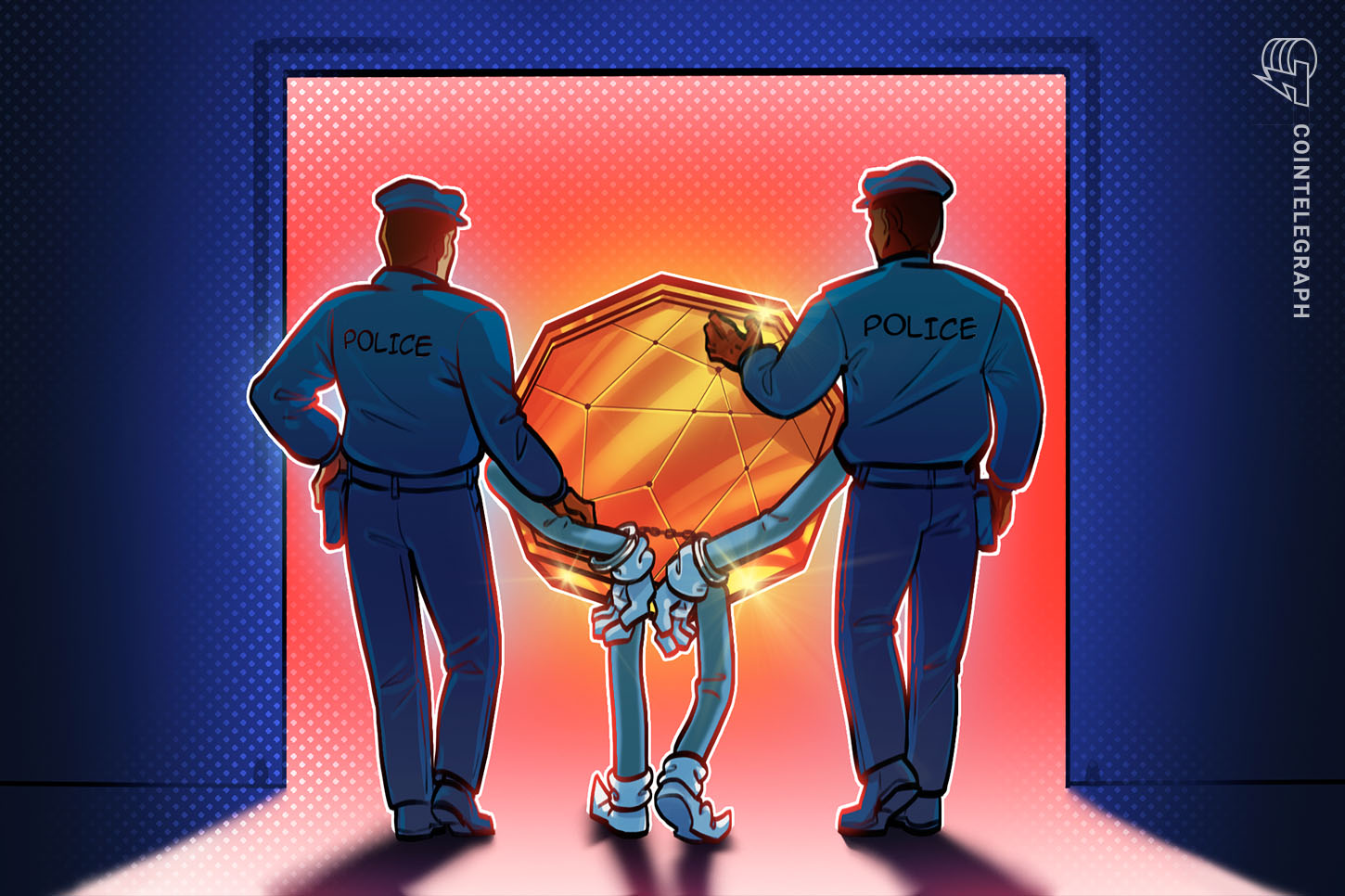
CoinTelegraph — 17 June 2026
Text:
22
0
0
Rodney “Bitcoin Rodney” Burton faces a maximum sentence of five years in federal prison for conspiracy to operate an unlicensed money transmitting bus
Read Full Story at CoinTelegraph →
⚡ Quickyla Analysis
Original editorial context — not sourced from the article above
Florida’s latest crypto fraud case underscores a persistent vulnerability in digital finance: the ease with which high-reward, high-risk investment schemes can exploit regulatory blind spots. Rodney Burton’s guilty plea in the HyperFund scandal—one of the largest crypto frauds on record—highlights how quickly unregulated platforms can scale into multibillion-dollar operations by leveraging the promise of decentralization without its safeguards. The $1.8 billion loss isn’t just a financial blow to victims; it’s a reminder that the same technological innovation touted by crypto evangelists can be weaponized by fraudsters when oversight lags behind adoption.
This case arrives amid a regulatory reckoning for the crypto industry, where enforcement actions have surged but systemic gaps remain. Burton’s operation, like many before it, thrived in the gray area between traditional finance and the Wild West of decentralized finance (DeFi). Regulators have struggled to classify such schemes—are they securities? Ponzi schemes? Unlicensed money transmitters? The ambiguity allows bad actors to exploit jurisdictional loopholes, moving assets across borders faster than authorities can trace them. Burton’s five-year maximum sentence, while significant, also reflects the limited deterrent effect of penalties in a space where anonymity and global reach outpace punishment.
Looking ahead, the fallout from HyperFund could accelerate calls for clearer crypto regulations, particularly around staking programs and “passive income” promises that often mask fraud. Yet the cat-and-mouse game between fraudsters and regulators shows no sign of slowing. As DeFi platforms grow more sophisticated, so too do the tactics used to obscure ownership and mislead investors. The broader question remains: Can enforcement keep pace with a technology designed to operate beyond borders?
For now, Burton’s case serves as both a warning and a test. It exposes the human cost of unchecked ambition in crypto—how quickly trust erodes when promises outpace transparency. But it also tests whether justice, when finally delivered, can restore faith in a system still fighting to prove it can police itself. The answer may shape not just the future of crypto fraud prosecutions, but the industry’s long-term credibility.
Sources
📈 Markets & Finance
Sam Altman says OpenAI's top token spender uses 100 billion tokens a month — and they're not even the world leader

📈 Markets & Finance
Intel, AMD, Micron shares sink as Broadcom results spark semiconductor sector sell-off

📈 Markets & Finance
This Smart‑Money Legend Won Big on Intel. The Rest of His Portfolio Might Be Even More Revealing
📈 Markets & Finance
A new NJ bill would hand pet owners up to $900 in tax credits — and your state could be next

📈 Markets & Finance
MGM Resorts stock jumps as Barry Diller's People Inc. makes bid to take over the company
📈 Markets & Finance
Addressing Investor Transparency, Updates from Euronet Worldwide’s (EEFT) First Analyst Day in a Decade


