Former abbot of China’s famous Shaolin Temple sentenced to 24 years in prison for corruption
BEIJING (AP) — Shi Yongxin, whose original name is Liu Yingcheng, was also fined 3.5 million yuan (about $516,000) by the court in central Henan province after a trial.
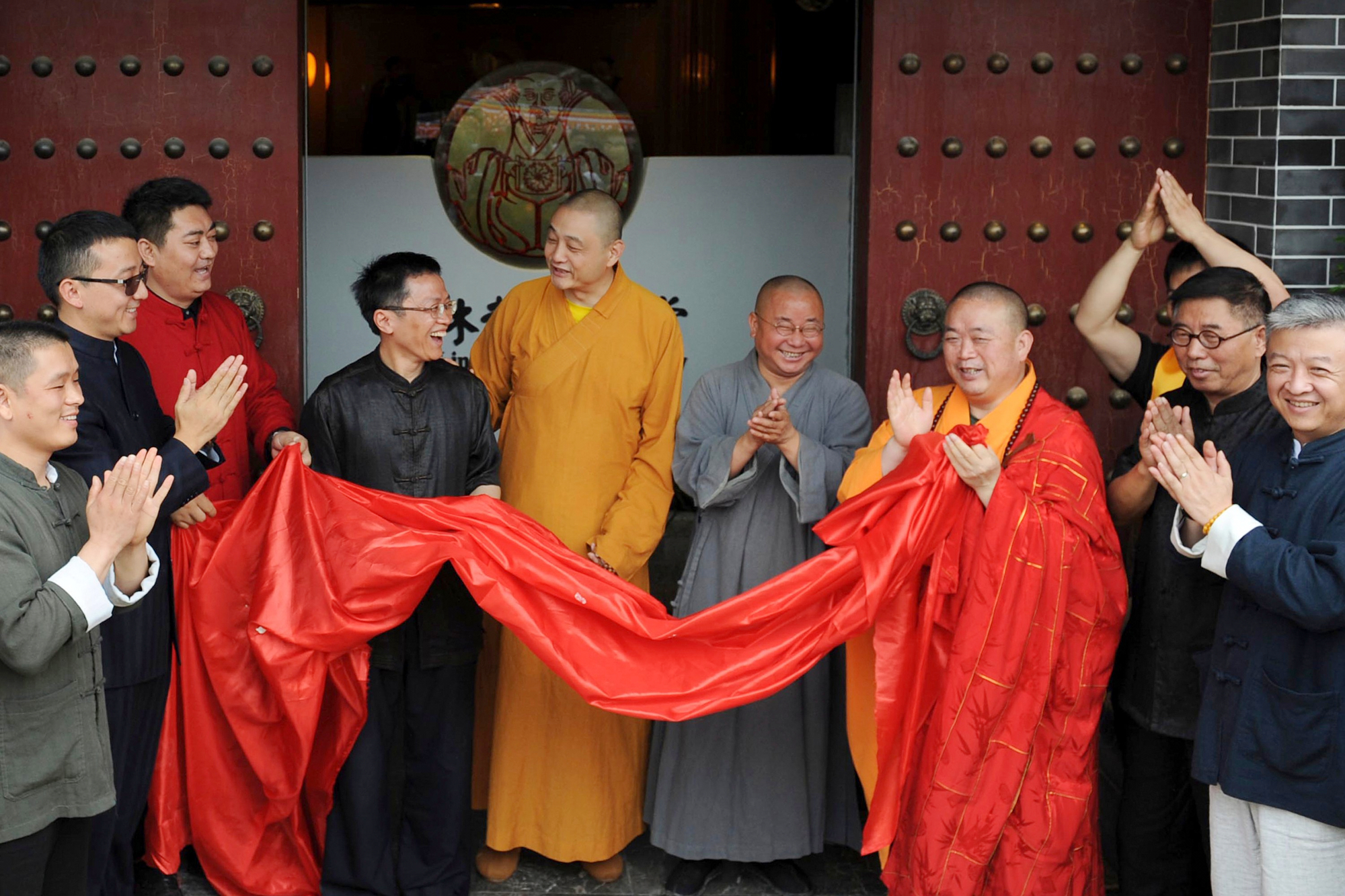
BEIJING (AP) — Shi Yongxin, whose original name is Liu Yingcheng, was also fined 3.5 million yuan (about $516,000) by the court in central Henan provi
Read Full Story at Religion News Service →Why This Matters
The sentencing of Shi Yongxin, once a symbol of China’s monastic discipline and cultural heritage, underscores Beijing’s escalating crackdown on institutional corruption beyond the corporate and political spheres. It signals that no sector—even those historically insulated by tradition or spirituality—remains untouchable under Xi Jinping’s anti-graft campaign, which now extends its reach to religious institutions.
Background Context
Shi Yongxin rose to prominence in the 1990s as a modernizing force at Shaolin Temple, leveraging martial arts and pop culture to transform the centuries-old monastery into a global brand. His tenure coincided with China’s aggressive commercialization of cultural symbols, often blurring the line between religious stewardship and profit-driven ventures—a model critics argue paved the way for systemic malfeasance.
What Happens Next
The 24-year sentence, unprecedented for a religious figure of his stature, may embolden further scrutiny of other high-profile temples and their financial dealings. Observers will watch whether authorities pursue similar cases against other abbots or expand probes into how religious institutions manage donations, assets, and partnerships with state-backed enterprises.
Bigger Picture
This case reflects a broader pattern in Xi’s China: the subordination of religious institutions to state authority, where autonomy is sacrificed for ideological control and economic compliance. It also highlights how China’s blend of capitalism and authoritarianism can corrupt even the most sacrosanct spaces, turning spiritual centers into vehicles for personal enrichment under the guise of modernization.