🔬 Science
Live
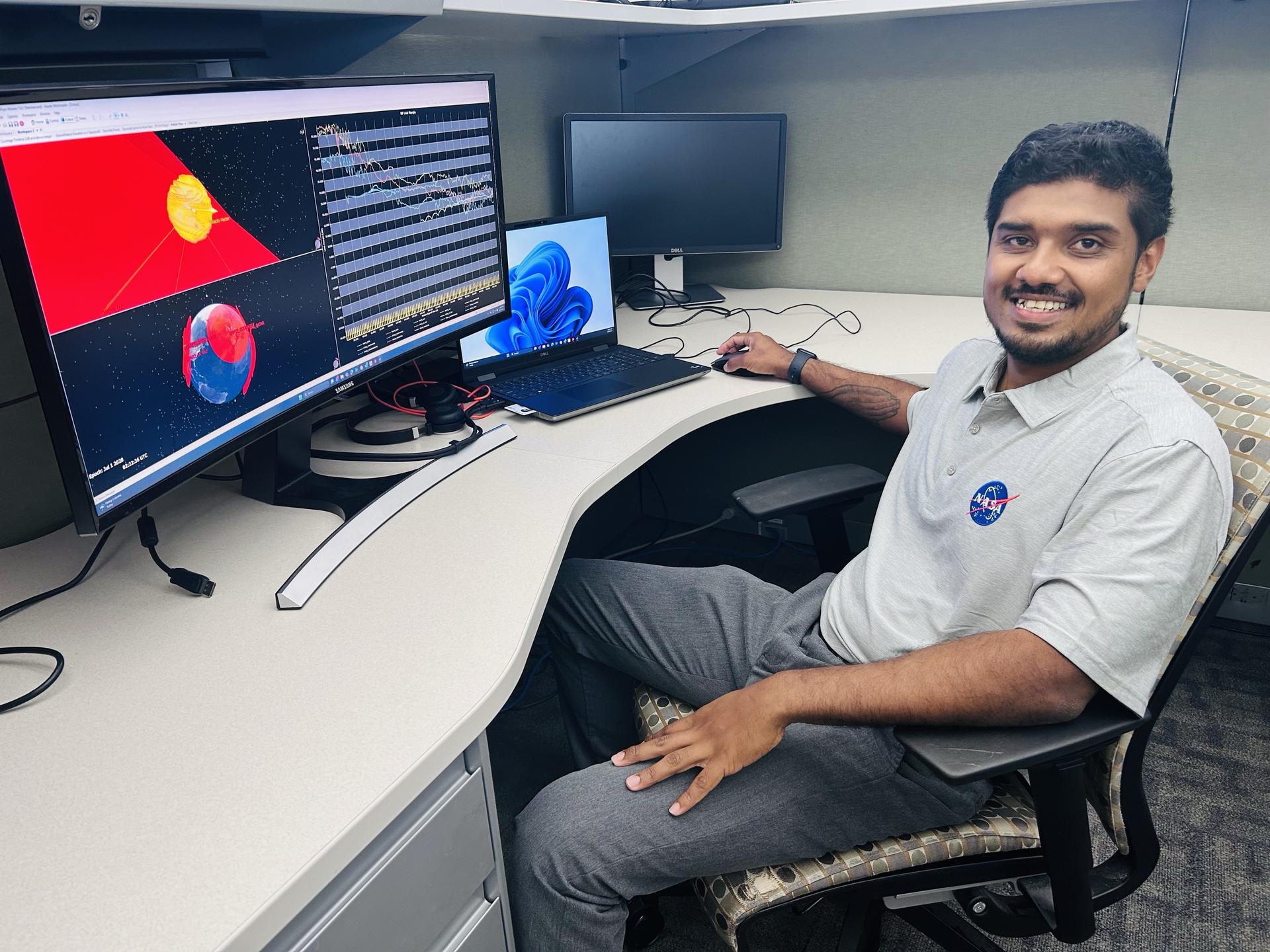
From Suriname to Space: Rohit Goeptar’s Shares his Journey to NASA
Rohit Goeptar was born into a poor family in Suriname, South America, the kind where both parents work three jobs and they still can only provide food and shelter for their family. At around age six,
NASA — 18 June 2026
Text:
26
0
0
Rohit Goeptar was born into a poor family in Suriname, South America, the kind where both parents work three jobs and they still can only provide food
Read Full Story at NASA →
⚡ Quickyla Analysis
Original editorial context — not sourced from the article above
Rohit Goeptar’s ascent from a Surinamese household where both parents worked three jobs just to keep food on the table to a role at NASA is more than an individual triumph—it is a testament to how systemic barriers can be overcome through relentless ambition and institutional support. His story matters because it challenges the persistent myth that success in STEM fields is reserved for those from affluent, Western backgrounds. In an era where space exploration is increasingly privatized and global, Goeptar’s journey underscores the untapped potential in developing nations, where educational and economic constraints often go unaddressed. His narrative also highlights the critical role of mentorship and early exposure to science, areas where many resource-limited regions still lag behind.
Suriname, a small South American nation with a population of under 600,000, has historically lacked the infrastructure and investment to cultivate a robust STEM pipeline. Yet Goeptar’s trajectory reflects broader shifts in how talent is discovered and nurtured worldwide. Programs like NASA’s internships and fellowships have increasingly opened doors to applicants from non-traditional backgrounds, a strategy that not only diversifies the space agency’s workforce but also strengthens its problem-solving capabilities by incorporating diverse perspectives. His rise also intersects with the global push for inclusive education, where organizations like the United Nations and UNESCO have long advocated for equitable access to science and technology training in the Global South.
What remains unclear is how scalable such success stories truly are. While Goeptar’s individual determination is undeniable, systemic change requires sustained investment in education, infrastructure, and career pathways in countries like Suriname. Will more Surinamese students follow in his footsteps, or will his story remain an outlier? Additionally, how will NASA’s growing reliance on international talent shape its own cultural and operational dynamics as space exploration becomes more collaborative—and competitive—on a global stage?
Goeptar’s journey is not just about personal achievement; it is a bellwether for whether the next generation of space pioneers will emerge from unexpected corners of the world. If his story gains traction, it could catalyze a broader rethinking of where talent is found—and cultivated.
Sources

🔬 Science
'Astonishing': James Webb telescope spots the most chemically primitive galaxy in the ancient universe

🔬 Science
El Niño Is Underway

🔬 Science
Astronomers gaze into the 'Crystal Ball Nebula' and see a vision of our dying sun — Space photo of the week

🔬 Science
Bacteria uncover distinct strategy to import rare sugar polymers, crystal structures show

🔬 Science
NASA Awards Contract for Johnson Space Center Infrastructure

🔬 Science
Repairing DNA damage: Scientists discover a surprising new benefit of melatonin

