Fuel running dry in Russian-held Crimea as Ukraine steps up attacks
Petrol stations in the Russian-held Crimea had run dry on Thursday, witnesses said, after Ukraine stepped up drone strikes on supply lines to the peninsula.
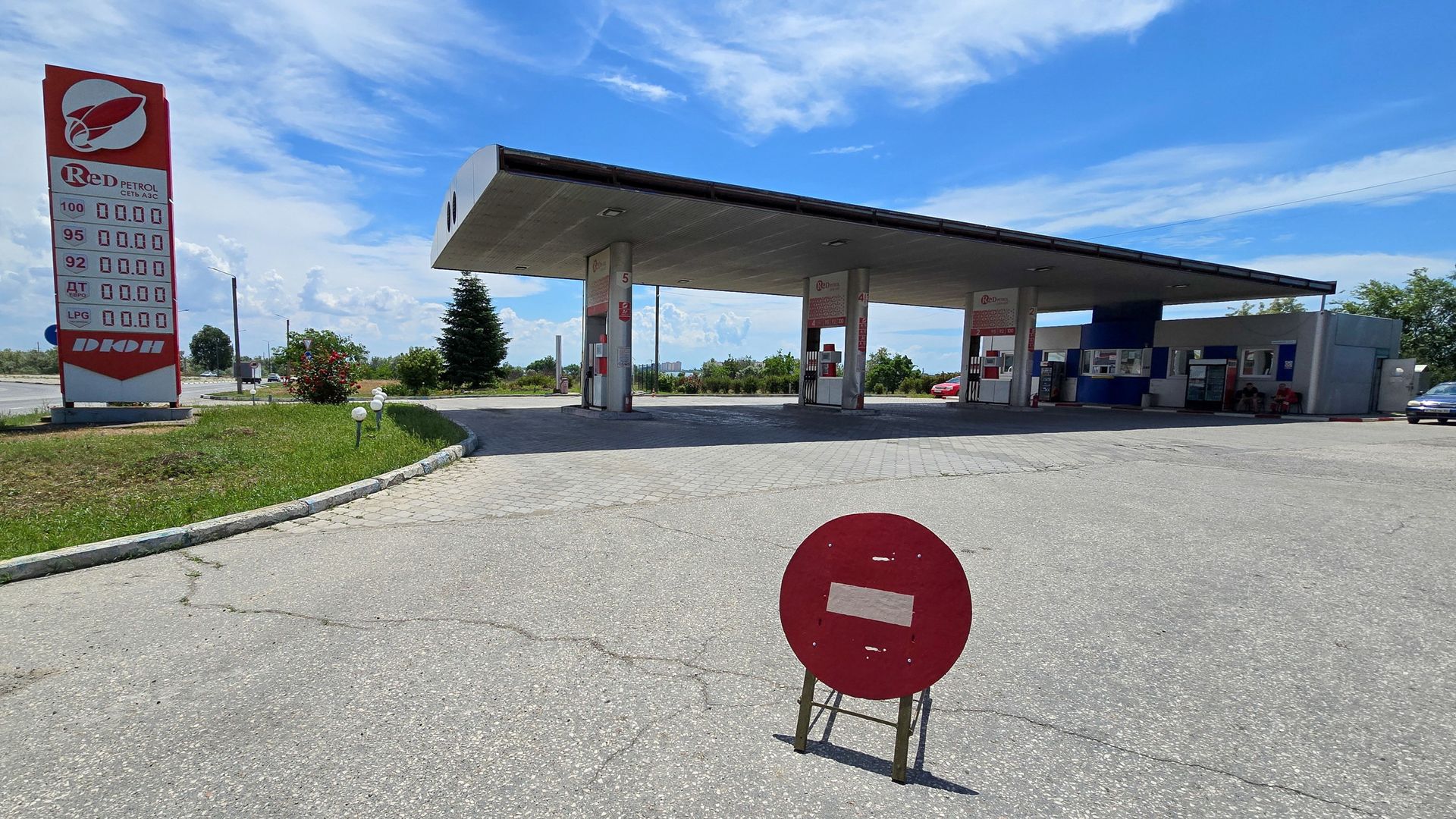
Petrol stations in the Russian-held Crimea had run dry on Thursday, witnesses said, after Ukraine stepped up drone strikes on supply lines to the pen
Read Full Story at Sky News →Why This Matters
The drying up of fuel supplies in Russian-occupied Crimea underscores a critical vulnerability in Moscow’s logistical grip on the peninsula—a linchpin of its Black Sea strategy. It signals not just an operational strain on Russian forces but a potential erosion of civilian morale, which could reshape local sentiment in ways that favor Ukrainian counteroffensives. The crisis also serves as a test case for how Russia might respond when its rear lines become the front, exposing the fragility of its occupation infrastructure.
Background Context
Crimea’s annexation in 2014 was followed by a massive Russian military buildup, including the construction of the Kerch Strait Bridge and extensive fuel storage facilities to sustain its forces. Yet even before Ukraine’s recent drone campaign intensified, sanctions and logistical bottlenecks had already strained Russia’s ability to maintain steady supply lines to the peninsula. The reliance on vulnerable overland routes—particularly those passing through contested Ukrainian territory—has proven a fatal flaw as Kyiv’s precision strikes escalate.
What Happens Next
If fuel shortages persist, Russian troops in Crimea could face operational paralysis, forcing a rethink of their defensive posture or even a hasty withdrawal of some units. The Kremlin may attempt to reroute supplies via longer maritime routes, but these are exposed to Ukrainian naval drones and long-range strikes. Meanwhile, local black markets could emerge, destabilizing the fragile social order Moscow has sought to project, and giving Ukraine new leverage to exploit civilian discontent.
Bigger Picture
This episode fits a broader pattern of Russia’s occupation zones becoming economic and military liabilities, from Kherson to Donbas, where supply lines are increasingly untenable. It also highlights Ukraine’s growing ability to disrupt Russian logistics without large-scale ground operations, a tactic that could redefine 21st-century asymmetric warfare. If sustained, such strikes may force Moscow to either escalate disproportionately or accept increasingly unsustainable costs to hold territory.





