Archaeologists uncover 3,300-year-old gold hoard in Germany
Archaeologists in Germany unearthed a 3,300-year-old Bronze Age hoard near Gessel, containing over 100 gold and bronze artifacts, offering key insights into late Bronze Age wealth and trade. This rar…
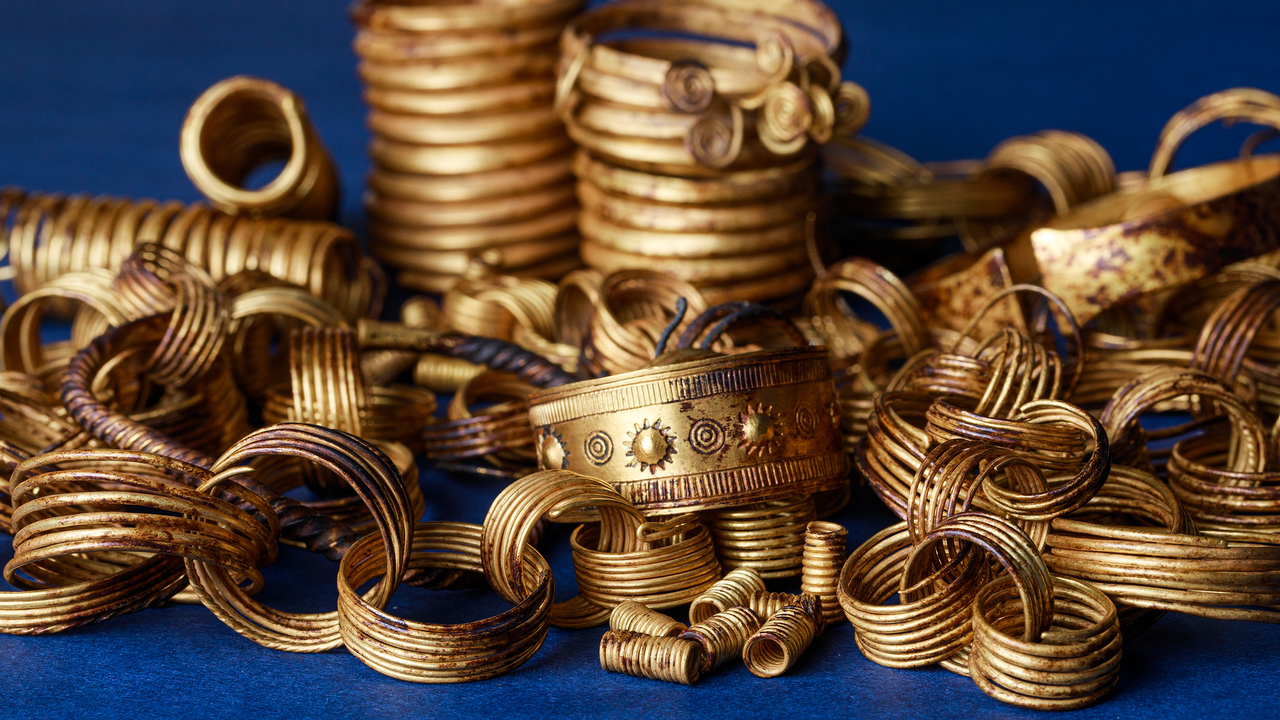
Archaeologists in Germany have uncovered a stunning Bronze Age treasure hoard—3,300 years old—containing some of the most dazzling gold and bronze art
Read Full Story at Live Science →Why This Matters
The Gessel hoard isn’t just another archaeological find—it’s a window into the late Bronze Age’s globalized economy, where gold, bronze, and even distant trade networks were the currencies of power. Unlike smaller caches that reveal only fragments of the past, this trove offers a rare snapshot of elite accumulation, ritual practices, and the sheer mobility of wealth across Europe at a time when societies were becoming increasingly interconnected.
Background Context
By 1300 BCE, the Bronze Age was entering its final act, with the collapse of long-distance trade networks like the Mycenaean palaces and the rise of smaller, militarized polities across Central Europe. The hoard’s location in Lower Saxony—far from the Mediterranean’s traditional hubs—suggests that the region was a critical node in a decentralized trade system, possibly tied to the amber road or early Baltic exchange routes. Few hoards of this scale survive, making Gessel a puzzle piece that could redefine our understanding of Europe’s pre-urban economies.
What Happens Next
Expect a flurry of comparative studies as archaeologists measure the Gessel artifacts against similar hoards from Denmark to the Alps, looking for patterns in craftsmanship or origin. The discovery will likely prompt renewed surveys in northwestern Germany, where Bronze Age sites have been overshadowed by later Roman and medieval layers. Meanwhile, debates over repatriation or display could emerge if local stakeholders claim the hoard as part of regional heritage.
Bigger Picture
This find aligns with a broader trend of European Bronze Age hoards—once dismissed as mere caches—being recognized as deliberate, possibly ritual deposits tied to status or protection during upheaval. It also underscores how climate shifts, such as the 12th-century BCE aridification event, may have driven wealth accumulation and redistribution. As metal-detecting and LiDAR expand, expect more such hoards to surface, reshaping narratives of Europe’s formative years.







