🔬 Science
Live
Glaciers are secretly teeming with life
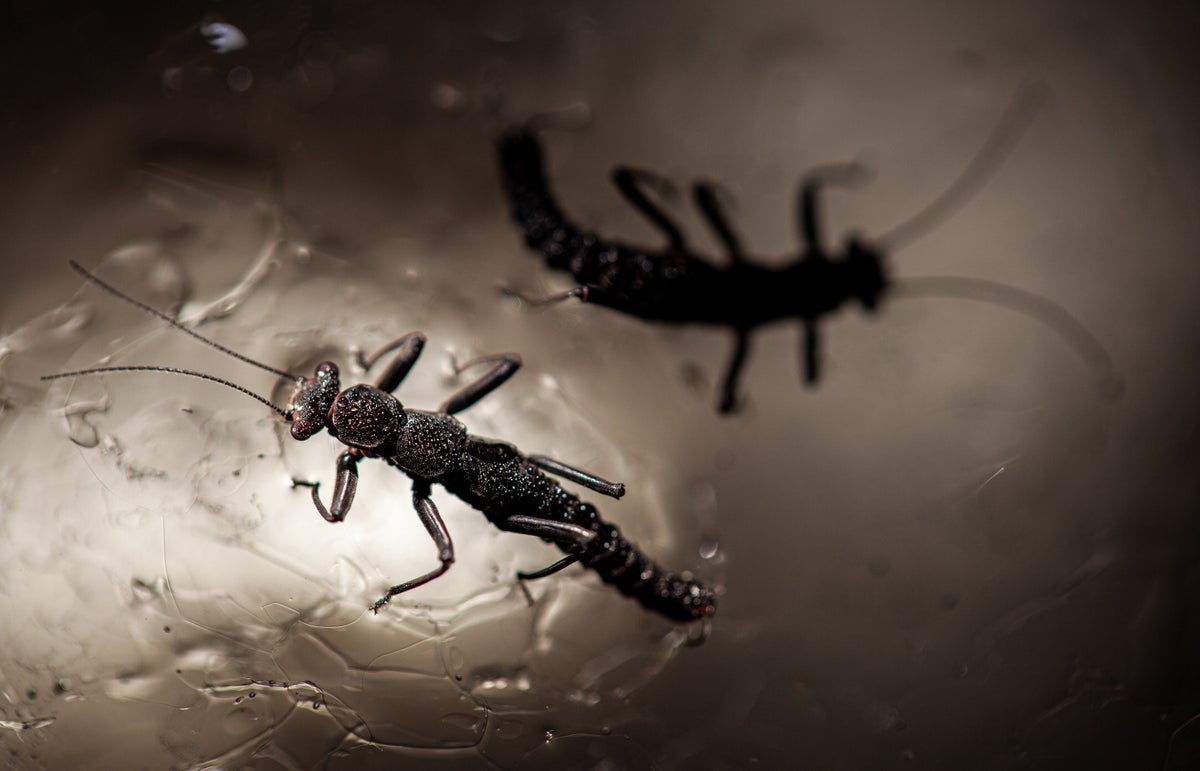
What does it take for an insect or worm to live full-time on a glacier? By Meghan Bartels edited by Andrea Thompson Glaciers are awe-inspiring, slow-moving rivers of ice powerful enough to reshape …
Scientific American — 15 June 2026
Text:
16
0
0
What does it take for an insect or worm to live full-time on a glacier? Glaciers are awe-inspiring, slow-moving rivers of ice powerful enough to resh
Read Full Story at Scientific American →
⚡ Quickyla Analysis
Original editorial context — not sourced from the article above
Glaciers, long dismissed as barren wastelands, are revealing themselves as unexpected biodiversity hotspots. Recent research has uncovered thriving communities of insects, worms, and even tardigrades clinging to these frozen giants, challenging the assumption that extreme cold and limited nutrients make such environments uninhabitable. This discovery reshapes our understanding of where life can persist, particularly as climate change accelerates glacier melt and threatens these fragile ecosystems.
The persistence of life on glaciers hinges on remarkable adaptations. Microbial films and algal blooms, often tinting ice green or red, serve as the base of a food web that supports tardigrades, springtails, and nematode worms. These organisms rely on a precarious balance of liquid water from melting ice, minimal sunlight filtering through dust and debris, and nutrients carried by wind or scavenged from ancient organic matter trapped in the ice. Yet their survival remains fragile—glacial ecosystems are finely tuned to conditions that are rapidly shifting as global temperatures rise. The presence of these creatures suggests that even Earth’s most inhospitable environments may harbor hidden resilience, but it also underscores how quickly such niches could vanish.
What remains uncertain is how these populations will fare amid accelerating glacial retreat. Some species may adapt by migrating to higher altitudes or latitudes, but others could face local extinction if their habitats disappear too rapidly. The discovery also raises questions about the role of glaciers in broader biogeochemical cycles. For instance, as organisms die and decompose on melting ice, do they contribute to carbon cycling in ways previously unaccounted for? Meanwhile, the study of these extreme ecosystems could yield insights for astrobiology, offering clues about where life might exist in the icy environments of Mars or Europa.
More broadly, this finding intersects with a growing recognition of biodiversity in the planet’s least explored regions. From deep-sea vents to subterranean caves, life continues to surprise scientists by flourishing in conditions once deemed impossible. The glacier revelations remind us that even as we confront environmental degradation, there are still frontiers where nature’s ingenuity defies expectations—if we take the time to look.
Sources

🔬 Science
'Astonishing': James Webb telescope spots the most chemically primitive galaxy in the ancient universe

🔬 Science
El Niño Is Underway

🔬 Science
Astronomers gaze into the 'Crystal Ball Nebula' and see a vision of our dying sun — Space photo of the week

🔬 Science
Bacteria uncover distinct strategy to import rare sugar polymers, crystal structures show

🔬 Science
NASA Awards Contract for Johnson Space Center Infrastructure

🔬 Science
Repairing DNA damage: Scientists discover a surprising new benefit of melatonin

