💻 Technology
Live
Google Messages may soon make it easy to tell when your friends are sharing AI imagery
Affiliate links on Android Authority may earn us a commission. Learn more. Every day, we’re presented with an onslaught of images: browser ads, social media, news feeds — they’re everywhere. And inc…
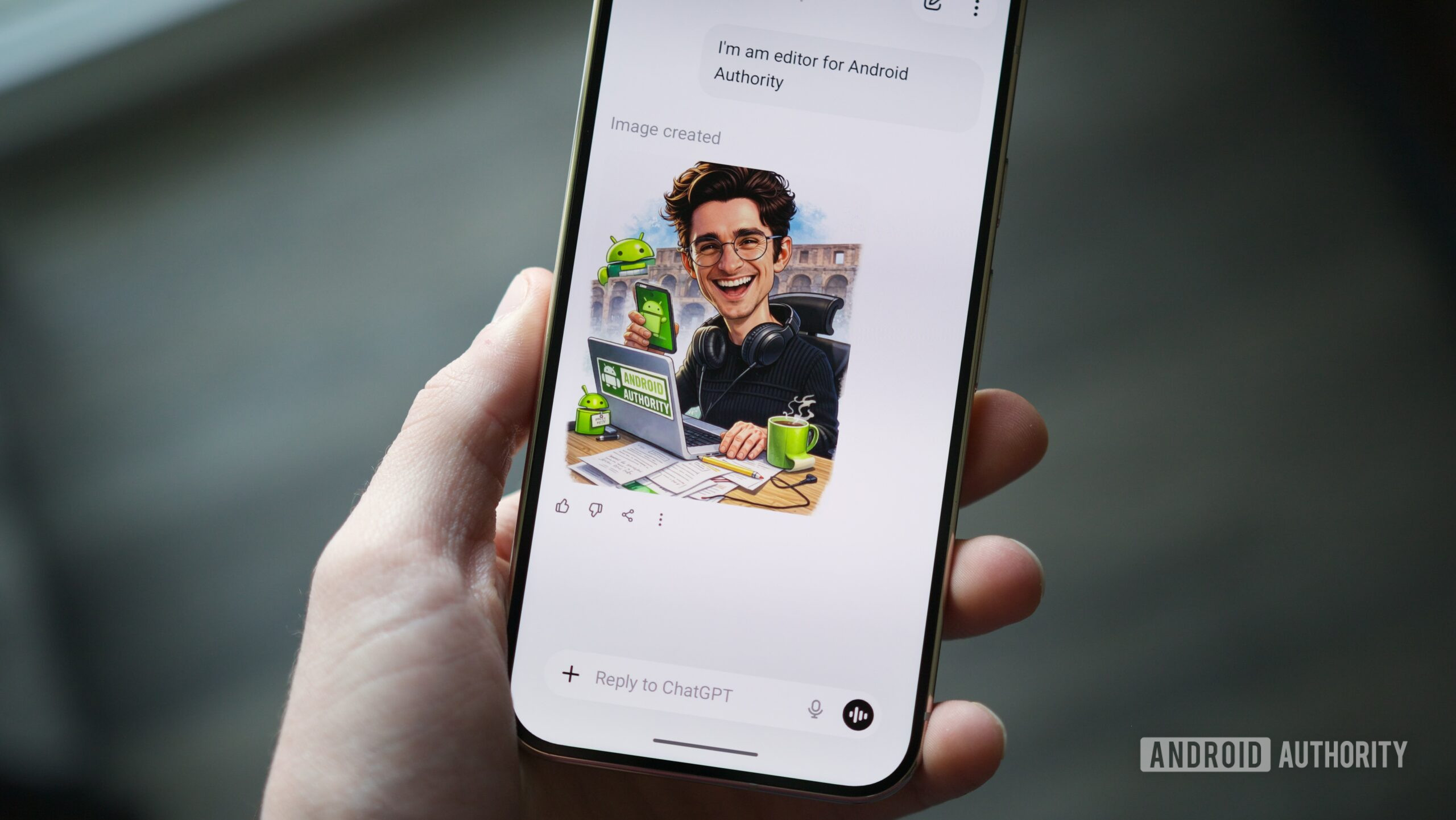
Android Authority — 15 June 2026
Text:
23
0
0
Affiliate links on Android Authority may earn us a commission. Learn more. Every day, we’re presented with an onslaught of images: browser ads, socia
Read Full Story at Android Authority →
⚡ Quickyla Analysis
Original editorial context — not sourced from the article above
The move by Google to flag AI-generated images in Messages isn’t just another feature update—it’s a quiet acknowledgment of a growing unease in digital communication. With generative AI tools now capable of producing photorealistic images in seconds, the line between reality and synthetic content has blurred dangerously. Unlike watermarks or metadata, which can be stripped or ignored, a visible indicator within the chat interface would force users to confront the nature of what they’re seeing in the moment they see it. That’s significant because trust in digital imagery has already eroded; deepfake scandals and AI-enhanced misinformation campaigns have left many skeptical of anything they encounter online. By embedding this awareness directly into the messaging experience, Google isn’t just responding to user needs—it’s preempting a future where disbelief in digital visuals becomes the default.
This development arrives at a peculiar inflection point. AI image generation has evolved from novelty to commodity in under two years, with tools like Midjourney and DALL-E now generating millions of images daily. Yet platform responses have been fragmented. Some social apps merely tack on disclaimers, while others, like Adobe’s Firefly, embed cryptographic signatures to verify authenticity. Google’s approach—highlighting AI content in a widely used messaging app—suggests a belief that visibility, not just verification, is the first step toward accountability. The challenge, of course, is execution: will these indicators be clear enough to avoid fatigue, yet subtle enough not to disrupt the flow of conversation?
Looking ahead, this could accelerate demand for similar labeling across other apps, potentially setting a new standard for visual transparency. But it also raises questions about enforcement. If AI images are easily identifiable, will users still share them, or will the stigma reduce their spread? And how will this interact with the broader push for AI regulation, where labeling could become a legal requirement rather than an optional feature? One thing is certain: in an era where seeing is no longer believing, Google’s move may be the first domino in a much larger shift toward making synthetic media undeniably visible.
Sources

💻 Technology
You can now beat ChatGPT Codex rate limits, if you have friends

💻 Technology
Cash App made a magic wand for contactless payments

💻 Technology
Coders are refusing to work without AI — and that could come back to bite them

💻 Technology
‘Backrooms’ $118M WW Bonanza; ‘Obsession’ Obsessed With $148M WW; ‘Michael’ Nearing $900M WW – Global Box Office Update

💻 Technology
Hackers hijacked Instagram accounts by tricking Meta AI support chatbot into granting access

💻 Technology
Asus gives the ROX Xbox Ally the OLED screen it deserves

