💻 Technology
Live
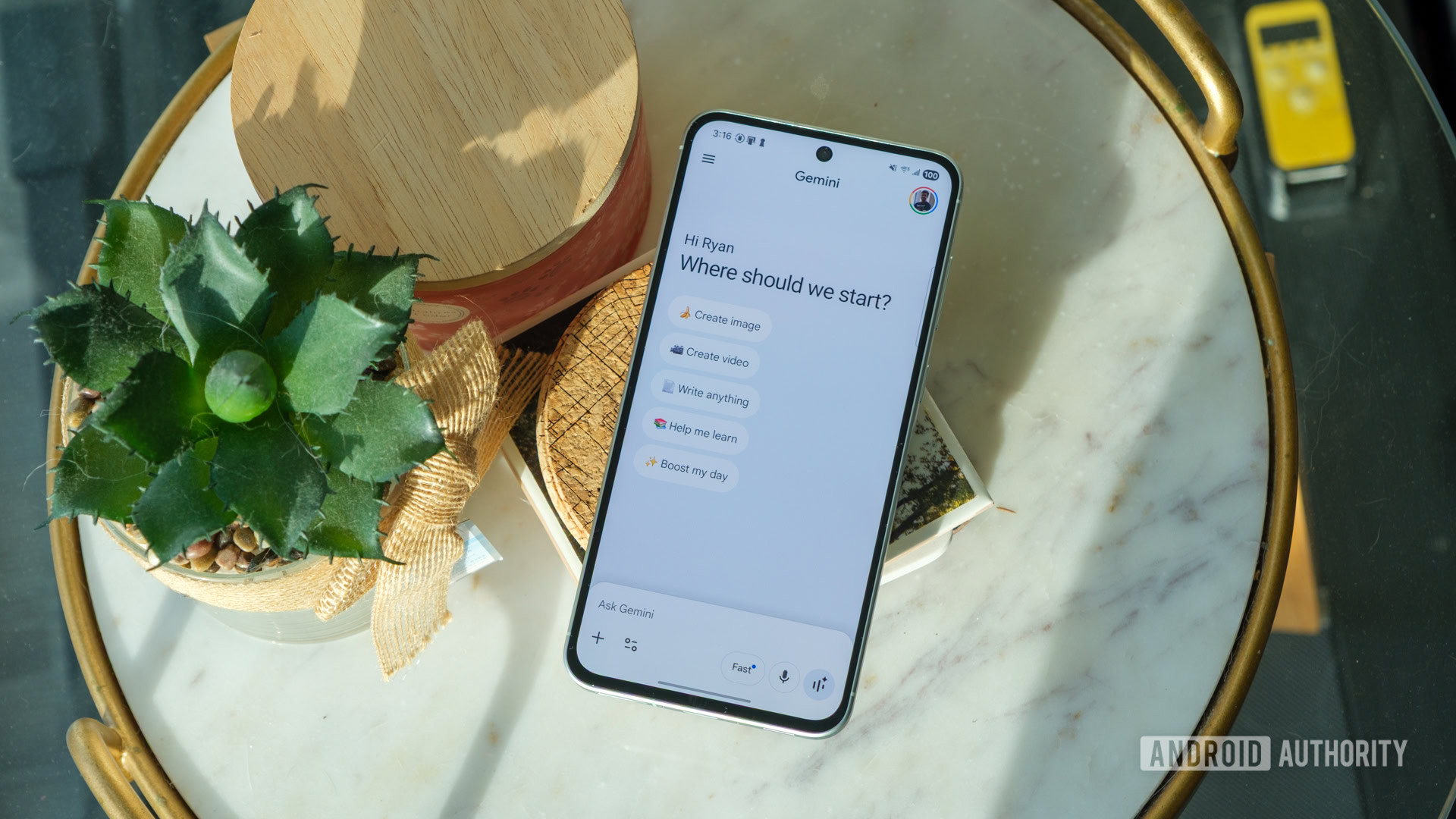
Google Vids is making it easier to create longer clips with Veo
Affiliate links on Android Authority may earn us a commission. Learn more. Google has been making steady improvements to Google Vids: it added Veo 3.1 a couple of months ago , and made AI avatars av…
Android Authority — 18 June 2026
Text:
21
0
0
Affiliate links on Android Authority may earn us a commission. Learn more. Google has been making steady improvements to Google Vids: it added Veo 3.
Read Full Story at Android Authority →
⚡ Quickyla Analysis
Original editorial context — not sourced from the article above
Google’s integration of Veo 3.1 into Google Vids represents more than just a technological upgrade—it signals a deeper shift in how AI-driven content creation is becoming accessible to mainstream users. For years, video editing and production remained a niche skill, dominated by professionals with expensive software and steep learning curves. But as AI tools like Veo rapidly evolve, Google is positioning itself at the forefront of democratizing long-form video creation, a market long dominated by platforms like Adobe Premiere or Final Cut Pro. The move matters because it suggests that the next wave of digital storytelling won’t be limited to those with technical expertise or studio budgets but could soon be within reach of marketers, educators, and even casual creators.
What’s often overlooked in the conversation around AI-generated video is the sheer computational power now required to maintain coherence in longer clips. Early AI video tools struggled with consistency in visuals, dialogue, and pacing, often producing disjointed or nonsensical outputs. Veo 3.1’s improvements hint at breakthroughs in maintaining narrative flow over extended durations—critical for anything beyond short-form social media clips. This could have ripple effects across industries: businesses might rely less on expensive video teams for internal training or promotional content, while educators could generate dynamic, AI-narrated lectures on demand. The implications for accessibility are profound, especially in regions with limited creative talent pools.
Yet questions linger. How will Google balance creativity with copyright concerns, particularly as AI-generated content becomes harder to distinguish from human-made media? And with Veo’s integration still in its early phases, will users encounter unexpected limitations—like restrictive watermarks, hidden costs, or ethical dilemmas over synthetic voices and likenesses? The broader trend here is unmistakable: AI is no longer just a tool for augmentation but a foundational layer in media production. As platforms race to embed these capabilities, the real competition may shift from who has the best AI model to who can responsibly steward its integration into everyday workflows. The next phase of this evolution won’t just be about what AI can create, but how society chooses to use it.
Sources

💻 Technology
You can now beat ChatGPT Codex rate limits, if you have friends

💻 Technology
Cash App made a magic wand for contactless payments

💻 Technology
Coders are refusing to work without AI — and that could come back to bite them

💻 Technology
Hackers hijacked Instagram accounts by tricking Meta AI support chatbot into granting access

💻 Technology
‘Backrooms’ $118M WW Bonanza; ‘Obsession’ Obsessed With $148M WW; ‘Michael’ Nearing $900M WW – Global Box Office Update

💻 Technology
Asus gives the ROX Xbox Ally the OLED screen it deserves

