Hezbollah rejects renewed ceasefire agreed by Israel and Lebanon
The Lebanese armed group Hezbollah has emphatically rejected the terms of a US-backed ceasefire between Israel and Lebanon. In a strongly-worded statement, the Iran-backed group's leader Naim Qassem…
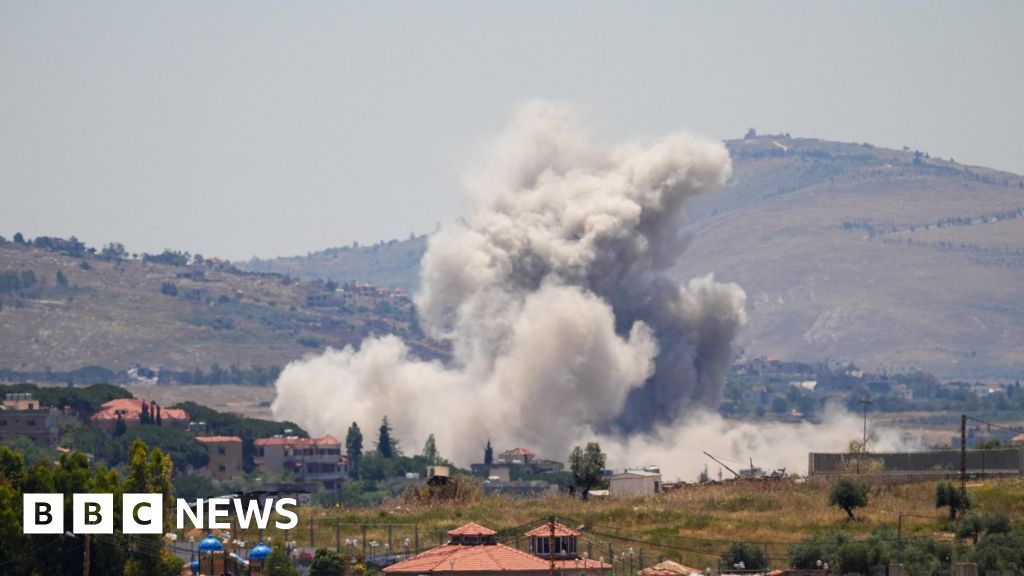
The Lebanese armed group Hezbollah has emphatically rejected the terms of a US-backed ceasefire between Israel and Lebanon. In a strongly-worded stat
Read Full Story at BBC World News →Why This Matters
The rejection underscores the fragility of diplomacy in the region, where even U.S.-brokered agreements struggle to bridge the gap between state and non-state actors. It also signals Hezbollah’s determination to maintain its military leverage, refusing to cede ground on terms that could weaken its position relative to Israel or domestic rivals in Lebanon.
Background Context
Lebanon’s political and security landscape remains paralyzed by deep divisions, with Hezbollah operating as both a military force and a political party—a duality that complicates ceasefire negotiations. The group’s alignment with Iran provides it with financial and logistical support, further complicating efforts to isolate it from regional conflicts.
What Happens Next
The collapse of the ceasefire talks increases the risk of renewed hostilities, particularly as Israel may interpret Hezbollah’s rejection as justification for preemptive strikes. Meanwhile, Lebanon’s already fragile government could face renewed pressure, either to distance itself from Hezbollah or to navigate the fallout of escalating violence.
Bigger Picture
This episode reflects a broader pattern in the Middle East, where ceasefire proposals often serve as temporary pauses rather than lasting solutions, allowing militant groups to regroup and rearm. It also highlights the diminishing influence of traditional mediators like the U.S., whose proposals are increasingly sidelined by regional players with entrenched interests.







