🌍 World News
Live
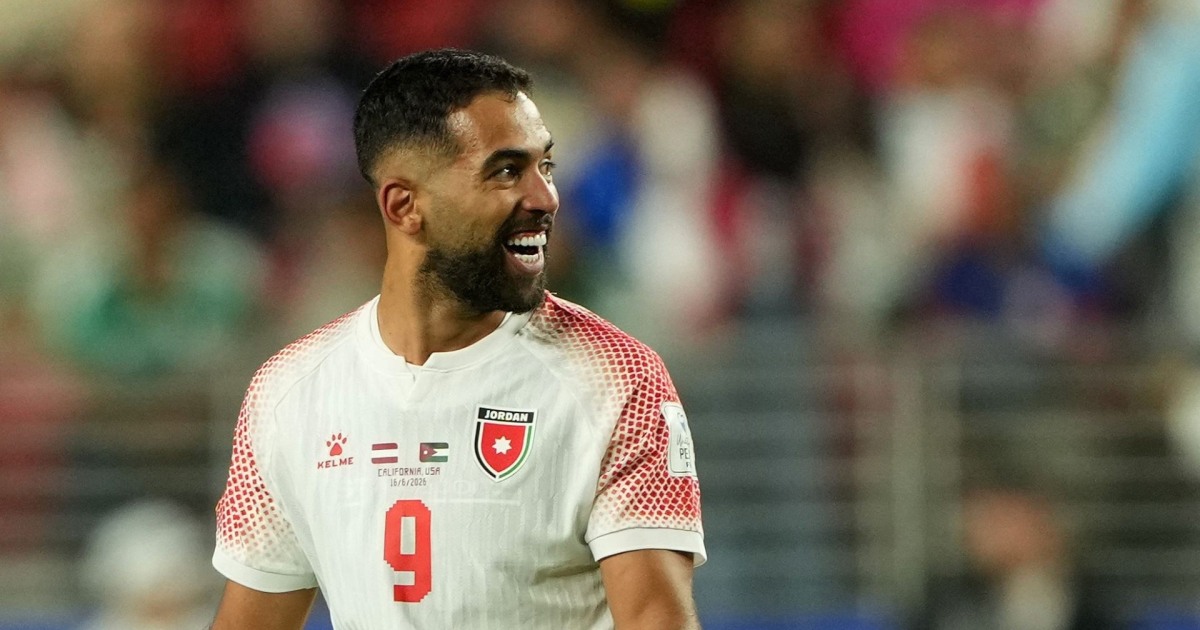
¡Histórico! Ali Alwan marca el primer gol de Jordania en un Mundial
Ali Alwan apareció al minuto 50 para igualar el marcador ante Austria y convertir el primer gol en la historia de Jordania en una Copa Mundial de la FIFA. Jun. 17, 2026
NBC News — 16 June 2026
Text:
28
0
0
Ali Alwan apareció al minuto 50 para igualar el marcador ante Austria y convertir el primer gol en la historia de Jordania en una Copa Mundial de la F
Read Full Story at NBC News →
⚡ Quickyla Analysis
Original editorial context — not sourced from the article above
The feat achieved by Ali Alwan for Jordan in its World Cup debut transcends mere sporting achievement; it marks a cultural and psychological milestone for a nation whose football identity has long been overshadowed by regional giants. Jordan has cultivated a reputation in Asia as a consistent underdog, reaching the AFC Asian Cup semifinals multiple times and narrowly missing World Cup qualification on several occasions. Yet, until now, its players had never graced the global stage of the FIFA World Cup. Alwan’s goal—delivered in a match against Austria—isn’t just a statistical first; it symbolizes the culmination of a decade-long project to elevate Jordanian football from regional contender to global presence. This moment may do more than win a point; it could ignite national pride and catalyze investment in grassroots development, a cycle that has powered football revolutions elsewhere.
The significance of this goal is amplified by the timing. The 2026 World Cup marks the first expansion to 48 teams, offering smaller federations like Jordan’s unprecedented access to the tournament. While the broader football world focuses on traditional powers, this edition provides an opportunity for once-in-a-generation narratives. Jordan’s inclusion was itself a victory, achieved through a tight qualification campaign under the guidance of coach Hussein Ammouta, a former national team captain who has instilled tactical discipline and mental resilience in the squad.
Looking ahead, the question is whether this historic moment can be the springboard for sustained progress. Will Jordan’s football federation leverage this exposure to secure long-term funding and infrastructure improvements? Can the team build on this platform to advance in future editions? Broader trends suggest that smaller nations are increasingly using World Cup participation as a catalyst for growth, from Iceland’s rise to Morocco’s breakthrough. Yet, the path remains precarious, with the risk that initial success could fade without deeper structural support. For now, Jordan stands not just as a participant, but as a symbol of football’s democratizing power—a reminder that the World Cup is as much about dreams as it is about trophies.
Sources

🌍 World News
Man fleeing police attacked by alligator before continuing his getaway, Louisiana authorities say
🌍 World News
US crude exports hit record high in May as Iran war tightens global oil supplies

🌍 World News
Agitators outside Delaney Hall set up organized logistics operation before Newark protests began

🌍 World News
French doctors sound alarm over drinking water pollution

🌍 World News
Iran, Kuwait, Bahrain hit: Is the war in the Gulf escalating again?

🌍 World News
Four people trapped in flooded cave in Laos pulled to safety

