Homes in illegal Israeli settlements promoted at London property show
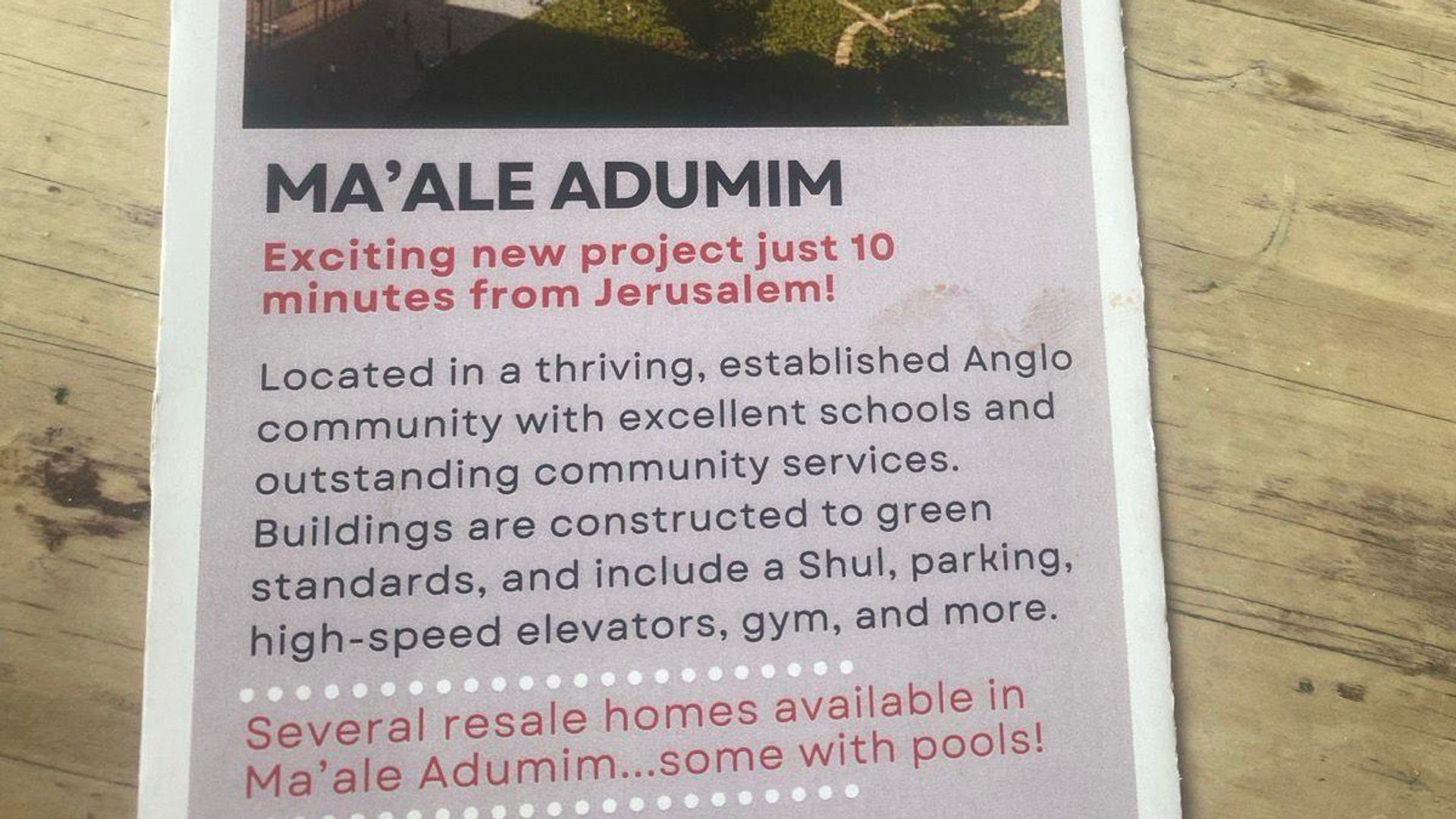
Sky News has obtained exclusive images that demonstrate illegal Israeli settlements in the West Bank were being advertised at a controversial property show that attracted large protests in London on …
Sky News — 15 June 2026
Text:
20
0
0
Sky News has obtained exclusive images that demonstrate illegal Israeli settlements in the West Bank were being advertised at a controversial property
Read Full Story at Sky News →
⚡ Quickyla Analysis
Original editorial context — not sourced from the article above
The promotion of homes in illegal Israeli settlements at a London property exhibition underscores a persistent tension between economic interests and ethical accountability in global real estate markets. While the event itself drew significant protests, its significance extends beyond a single controversy. It reflects how Western financial hubs, often seen as neutral ground for international business, can inadvertently—or deliberately—become stages for disputes over sovereignty, human rights, and international law. The inclusion of West Bank properties at a show in London is not just a market anomaly; it highlights the ways in which global trade and investment can intersect with geopolitical conflicts, sometimes normalizing practices that are widely condemned under international frameworks such as the Fourth Geneva Convention.
For many observers, this incident raises uncomfortable questions about the role of Western institutions in sustaining Israeli settlements, which are widely considered illegal under international law. The West Bank, captured by Israel in 1967, has seen its land steadily appropriated for Jewish-only housing, a process facilitated by private companies and international investors. While Israel disputes the classification of its settlements as illegal, the United Nations and most of the international community view them as obstacles to peace and a violation of Palestinian rights. The fact that these properties were marketed in a major European capital suggests a level of commercial normalization that many find morally and legally problematic.
Looking ahead, the controversy could prompt further scrutiny of how real estate events handle properties linked to disputed territories. It may also embolden activists to target similar exhibitions, demanding transparency and ethical compliance from organizers. At the same time, it raises questions about the responsibility of host cities to vet events for potential violations of international norms. The broader trend here is the growing intersection of corporate activity with human rights concerns—a debate that is likely to intensify as globalization and geopolitical disputes collide in boardrooms, exhibition halls, and courtrooms around the world.
Sources

🌍 World News
Man fleeing police attacked by alligator before continuing his getaway, Louisiana authorities say
🌍 World News
US crude exports hit record high in May as Iran war tightens global oil supplies

🌍 World News
Agitators outside Delaney Hall set up organized logistics operation before Newark protests began

🌍 World News
French doctors sound alarm over drinking water pollution

🌍 World News
Iran, Kuwait, Bahrain hit: Is the war in the Gulf escalating again?

🌍 World News
Four people trapped in flooded cave in Laos pulled to safety

