House Votes to Restrain Trump’s War Powers
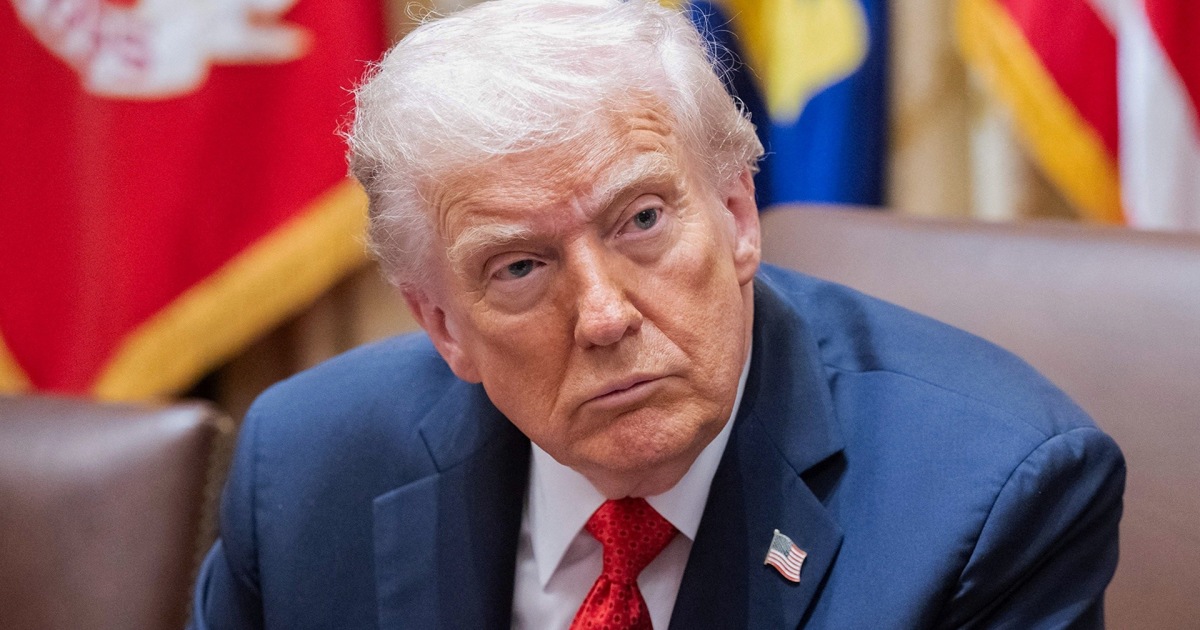
There were cheers in the House of Representatives after four Republicans broke from President Donald Trump, joining Democrats to pass a preliminary resolution to stop the war on Iran. The president s…
There were cheers in the House of Representatives after four Republicans broke from President Donald Trump, joining Democrats to pass a preliminary re
Read Full Story at NBC News →Why This Matters
The House's bipartisan vote signals a rare institutional pushback against presidential war powers, challenging the post-9/11 precedent of executive-driven military engagement. It reflects a growing unease among lawmakers—across party lines—over the erosion of congressional oversight in matters of war and peace, particularly as tensions with Iran escalate.
Background Context
Since the 2001 Authorization for Use of Military Force (AUMF), presidents have increasingly relied on broad legal justifications to deploy troops without explicit congressional approval. Trump’s escalation of rhetoric and covert strikes against Iranian targets, including the January killing of Qasem Soleimani, revived long-standing debates over the balance of power between the branches.
What Happens Next
The resolution’s passage sets the stage for a floor vote, where its fate remains uncertain given Senate Majority Leader Mitch McConnell’s likely opposition. Diplomatically, it could embolden international partners to demand greater U.S. accountability, while domestically, it may fuel further intraparty Republican fractures ahead of the 2020 election.
Bigger Picture
This moment underscores a broader trend of congressional reassertion after decades of deferred authority, from the War Powers Act’s limited enforcement to recent bipartisan coalitions pushing back on drone strikes and arms sales. It also highlights how geopolitical flashpoints increasingly collide with domestic political calculations in an era of partisan polarization.






