How China keeps North Korea's economy alive
North Korea runs one of the most bizarre economies on the planet. Despite being one of only a handful of nations with nuclear weapons, its 2024 gross domestic product (GDP) was a paltry $26.6 billion…
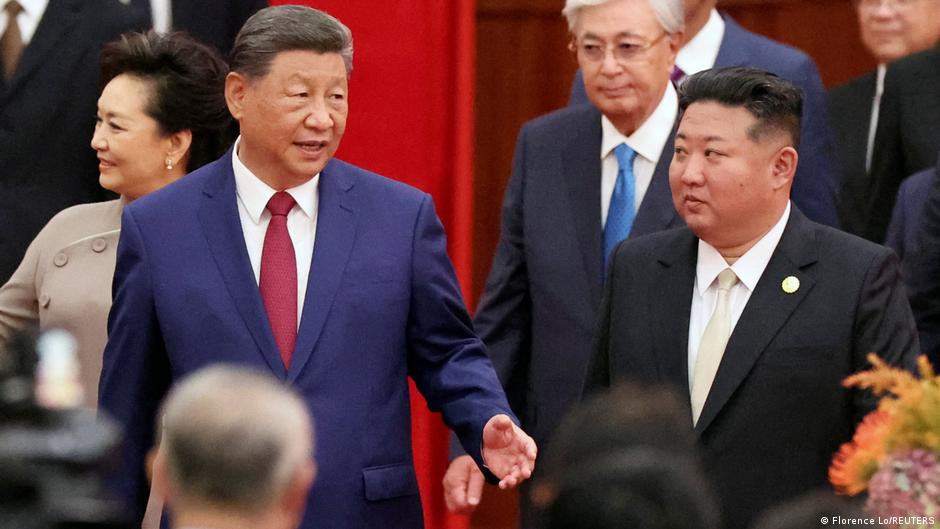
North Korea runs one of the most bizarre economies on the planet. Despite being one of only a handful of nations with nuclear weapons, its 2024 gross
Read Full Story at DW World →Why This Matters
The survival of North Korea’s economy amid international sanctions reveals the adaptability of authoritarian regimes to external pressure. It also underscores the growing influence of China as a geopolitical lifeline, raising questions about the long-term sustainability of Pyongyang’s isolationist model.
Background Context
North Korea’s economy operates under a unique blend of central planning and informal trade, with China serving as its primary economic partner despite formal sanctions. The country’s GDP—a fraction of South Korea’s—hides a shadow economy driven by illicit activities and barter trade, much of which is facilitated by Beijing.
What Happens Next
If China’s economic support wavers, North Korea’s regime could face severe strains, potentially leading to further domestically driven reforms or deeper dependence on illicit networks. Observers should monitor shifts in Chinese-North Korean trade agreements and any signs of reduced aid.
Bigger Picture
The case of North Korea highlights how resource-scarce regimes survive through asymmetrical economic relationships, a phenomenon seen in other sanctioned states. It also reflects China’s expanding role in propping up pariah regimes, a strategy that may reshape global power dynamics in the coming decade.







