Quantum sensors to inspect 220,000 U.S. bridges
Quantum sensors could detect hidden damage in bridges like corrosion or cracks years before visible signs appear, potentially saving billions in emergency repairs. With 220,000 U.S. bridges needing ma
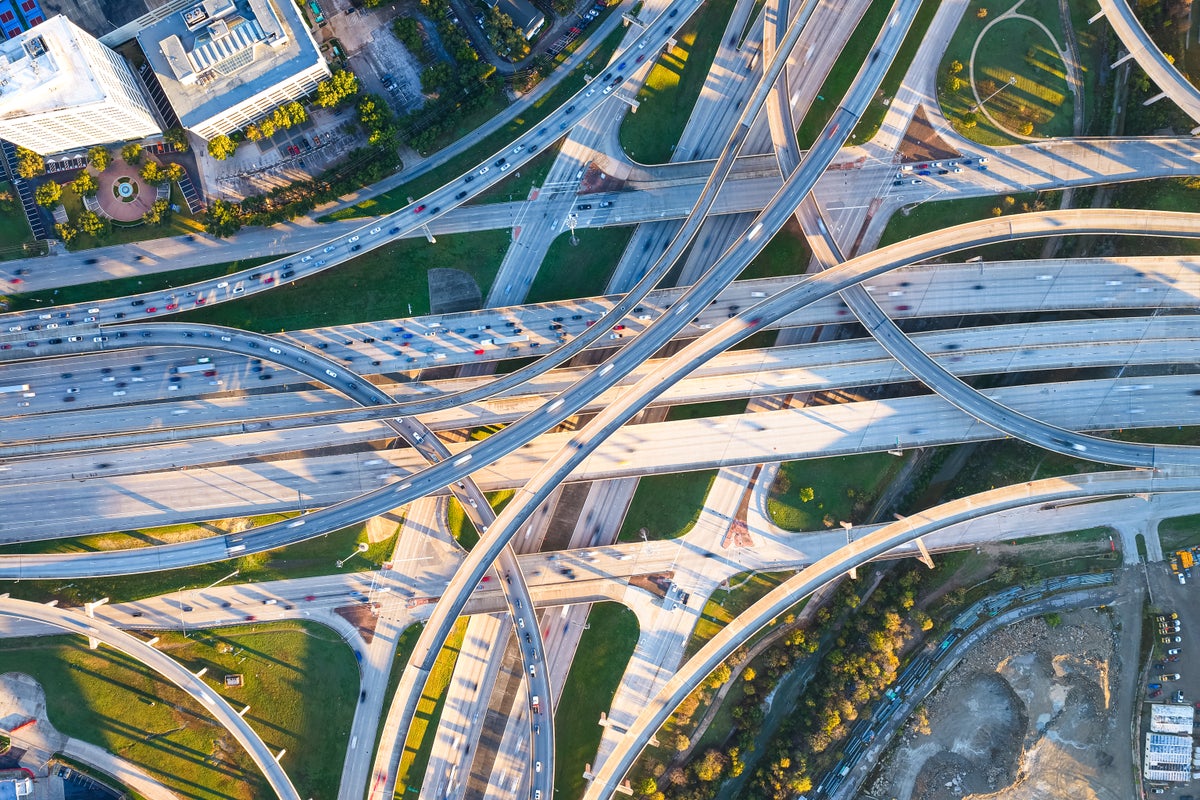
Quantum sensors could soon give engineers a new way to spot hidden damage in thousands of U.S. bridges before cracks appear or steel starts to rust. R
Read Full Story at Scientific American →Why This Matters
The potential of quantum sensing to revolutionize infrastructure maintenance lies not just in its precision but in its ability to preempt catastrophic failures before they occur. For a nation grappling with aging and underfunded transportation networks, this technology could shift the paradigm from reactive repairs to proactive preservation, saving lives and billions in taxpayer dollars.
Background Context
The U.S. bridge crisis is a silent ticking clock: over 40% of the nation’s 617,000 bridges predate 1970, and many were built with materials and designs that deteriorate faster than anticipated. Meanwhile, the Federal Highway Administration has reported that corrosion alone costs the U.S. economy $276 billion annually—more than the GDP of some developed nations. Current inspection methods, though improved, still rely heavily on visual assessments and outdated tools.
What Happens Next
The next phase will likely involve pilot programs in high-risk regions, particularly those with aging steel truss bridges or concrete structures exposed to de-icing salts. Regulatory agencies may fast-track certification for quantum sensors, while private contractors could emerge as early adopters to gain a competitive edge in bridge rehabilitation contracts. The biggest hurdle remains scalability—can these sensors be deployed en masse without disrupting traffic or requiring disruptive retrofits?
Bigger Picture
Quantum sensing is part of a broader shift toward "smart infrastructure," where advanced technologies are integrated into the built environment to extend its lifespan. As climate change accelerates wear on bridges—through more intense freeze-thaw cycles and increased flood risks—the demand for real-time, high-resolution monitoring will only grow. This could catalyze a new industry, creating jobs in quantum engineering and data analytics while redefining how societies approach maintenance.






