How the oil industry is preparing for Hurricane Isaias
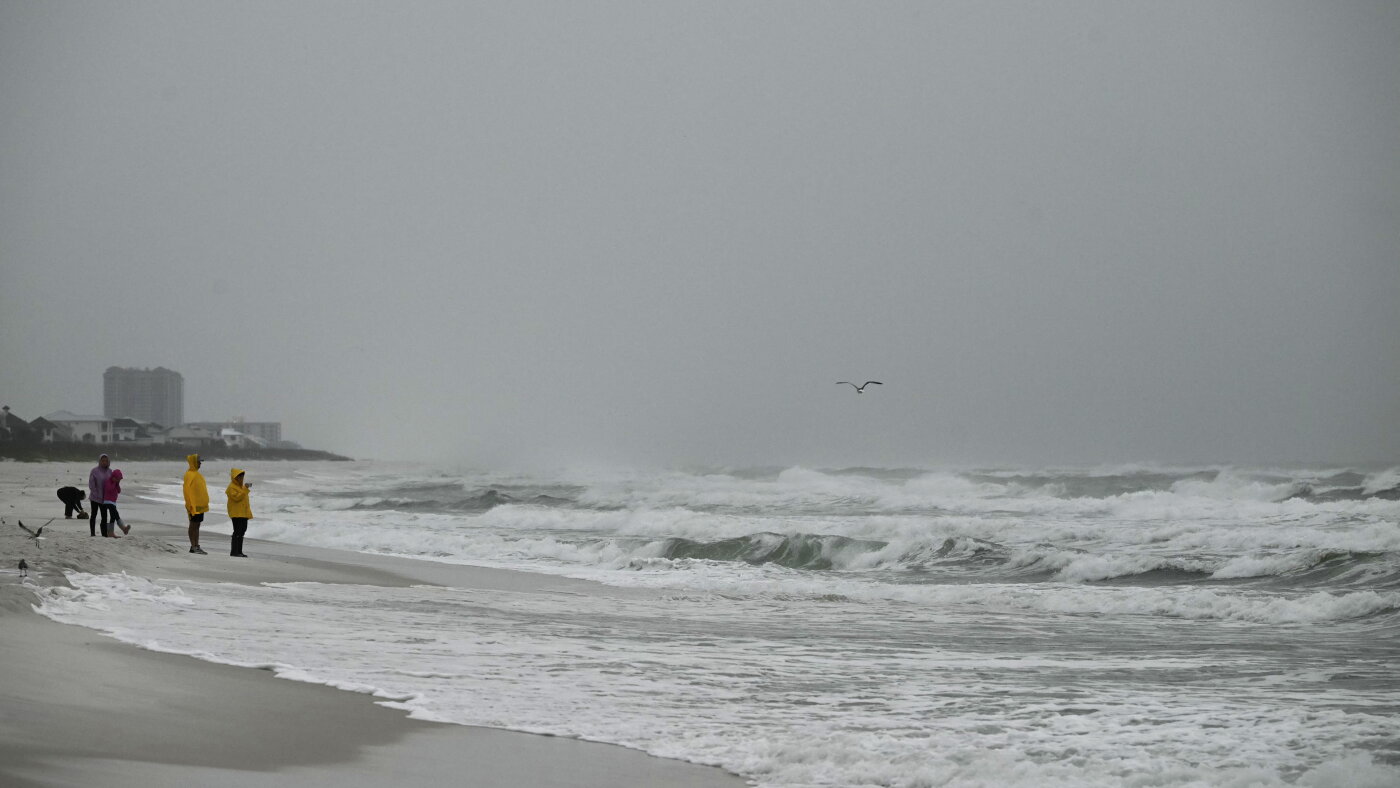
People watch as waves build near the Pensacola Beach Gulf Pier in Pensacola Beach, Florida, on October 9, 2026, as Hurricane Isaias continues moving north toward the Florida Panhandle. RONALDO SCHEMI…
People watch as waves build near the Pensacola Beach Gulf Pier in Pensacola Beach, Florida, on October 9, 2026, as Hurricane Isaias continues moving north toward the Florida Panhandle. RONALDO SCHEMIDT/AFP via Getty Images hide caption
Hurricane Isaias, the first Atlantic hurricane of the season, is expected to make landfall on Friday evening near the Alabama Gulf Coast and Florida panhandle.
Days ago, the oil industry around the U.S. Gulf Coast started preparing. A segment of the nation's oil infrastructure — like oil rigs and platforms — operates in the region, although the majority of it is further west, towards western Louisiana and Texas.
Although oil experts are not anticipating major disruptions, oil companies have been taking precautions. Shell and BP have evacuated personnel from offshore facilities close to the storm's path, mainly deepwater platforms. Chevron has evacuated offshore drilling rigs close to the storm's path, and plans to redeploy them once the storm has passed.
In an emailed statement, Exxon told NPR they are "closely monitoring the weather. Operations are normal."
But so far, the storm seems like it will skirt most facilities. The storm's path "could be worse," said Debnil Chowdhury, head of Americas refining at S&P Global Energy. After all, the storm is heading east, and not west, toward where the bulk of oil operations — like refineries — are located.
The storm is "making a swooping turn, almost just to the east of where the most significant infrastructure is," said Bryan Domangue, the Gulf of America region director for the federal Marine Minerals Administration, who oversees offshore oil and natural gas production. "At this point, it's swept just a little south of some of our major deepwater oil and gas facilities, and then it's hugging the eastern boundary of where the infrastructure is."
He added that in addition to evacuating people who work on oil rigs and platforms, which are normal storm precautions, oil operators are doing things like shutting off safety valves below the ocean floor, and moving mobile drilling facilities when possible.
Read Full Story at NPR News →


