🌍 World News
Live
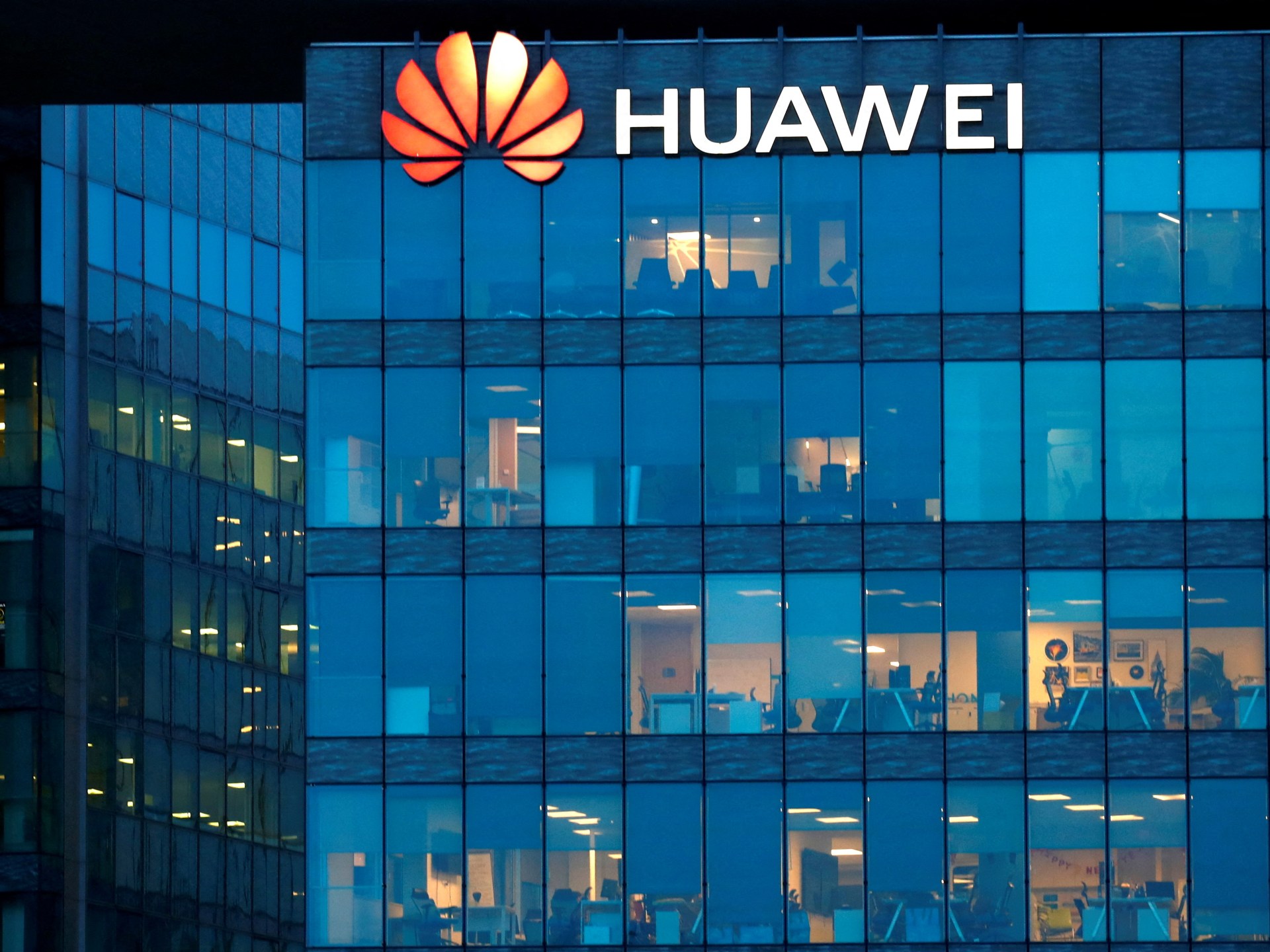
Huawei CFO’s admissions can be used at criminal trial, US judge rules
A top Huawei executive’s admission that the Chinese telecom company illegally conducted business in Iran can be used in the upcoming US trial against Huawei, a US judge has ruled. The ruling was fil…
Al Jazeera — 17 June 2026
Text:
21
0
0
A top Huawei executive’s admission that the Chinese telecom company illegally conducted business in Iran can be used in the upcoming US trial against
Read Full Story at Al Jazeera →
⚡ Quickyla Analysis
Original editorial context — not sourced from the article above
The recent ruling allowing prosecutors to use Huawei CFO Meng Wanzhou’s admissions as evidence in the company’s criminal trial marks a significant escalation in the long-running legal and geopolitical battle between the U.S. and China over technology and trade. At its core, this case reflects the broader struggle for dominance in next-generation telecommunications, where Huawei—a company long accused of ties to Chinese state interests—has become a proxy for deeper tensions over espionage, economic coercion, and technological sovereignty.
Few disputes in modern corporate law have carried such geopolitical weight. Meng’s admissions, though made during her 2018 arrest in Canada at the behest of U.S. authorities, now serve as a legal cornerstone for prosecutors alleging Huawei violated sanctions on Iran, a charge the company has long denied. This is more than a corporate misconduct case; it is a judicial endorsement of the U.S. government’s extraterritorial reach in enforcing sanctions, a practice China has vehemently opposed as economic bullying. The ruling also underscores the precarious position of multinational executives caught in the crossfire of state power, particularly when national security narratives intersect with corporate interests.
What remains unclear is how this ruling will influence the trial’s trajectory and, by extension, U.S.-China relations. Will the admission sway a jury, or will Huawei’s legal team successfully argue that Meng’s statements were coerced or taken out of context? More broadly, the case raises questions about the admissibility of foreign nationals’ statements in domestic courts, especially when those statements were made under pressure from law enforcement in a third country. These legal ambiguities could set precedents that ripple through future extradition and corporate accountability cases.
Beyond the courtroom, this ruling reinforces a growing trend: the weaponization of law as a tool of strategic competition. The U.S. has increasingly used sanctions, export controls, and criminal prosecutions to curb Chinese technological ambitions, framing actions like Huawei’s alleged dealings in Iran as threats to national security. For China, such measures are evidence of a containment strategy, justifying retaliatory measures or diplomatic pressure. As the trial unfolds, its outcome could redefine the boundaries of corporate accountability in an era where technology and geopolitics are inseparable.
Sources

🌍 World News
Agitators outside Delaney Hall set up organized logistics operation before Newark protests began
🌍 World News
US crude exports hit record high in May as Iran war tightens global oil supplies

🌍 World News
Man fleeing police attacked by alligator before continuing his getaway, Louisiana authorities say

🌍 World News
French doctors sound alarm over drinking water pollution

🌍 World News
Iran, Kuwait, Bahrain hit: Is the war in the Gulf escalating again?

🌍 World News
Ukraine’s Kostyuk blasts Russia stars in French Open outburst over war


