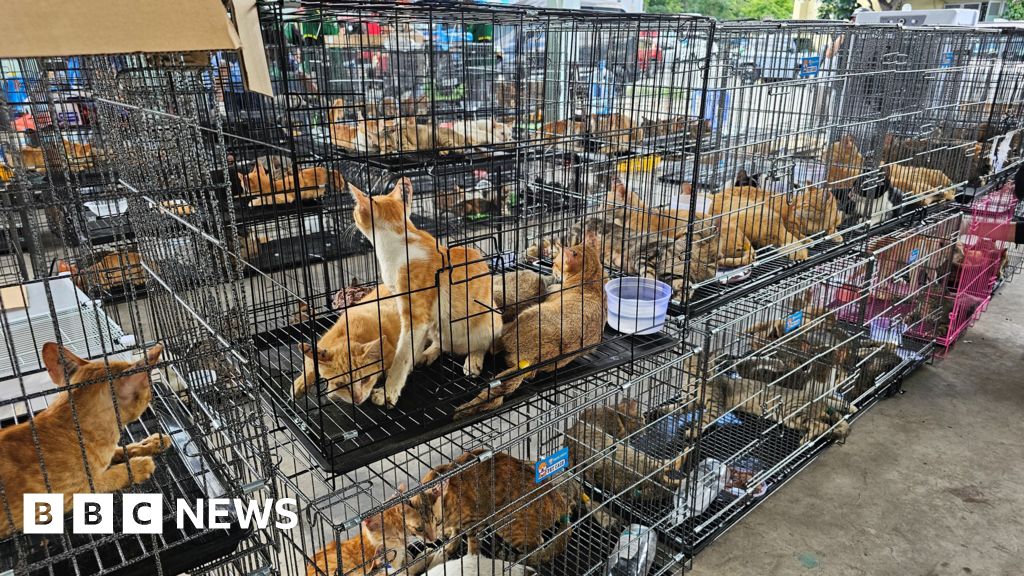
Hundreds of cats stolen for food in Vietnam rescued by police, welfare group says
More than 400 cats destined for slaughter have been rescued in Vietnam after authorities dismantled an alleged feline theft ring, an animal welfare group has said. Nine people have been arrested in …
BBC World News — 16 June 2026
Text:
36
0
0
More than 400 cats destined for slaughter have been rescued in Vietnam after authorities dismantled an alleged feline theft ring, an animal welfare gr
Read Full Story at BBC World News →
⚡ Quickyla Analysis
Original editorial context — not sourced from the article above
The rescue of over 400 cats in Vietnam, allegedly destined for slaughter, underscores a disturbing yet often overlooked dimension of the global illegal wildlife trade. While the illicit trafficking of pangolins, ivory, or exotic birds typically dominates headlines, the demand for cats—particularly in parts of Southeast Asia—reveals how deeply rooted cultural practices and economic desperation can fuel trafficking networks. Though the exact origins of these cats remain unclear—whether they were stolen pets, feral strays, or sourced from rural areas—the case highlights a troubling supply chain that preys on vulnerable animals, often with little public scrutiny.
Vietnam’s role in this trade is not new. For years, the country has been a hotspot for wildlife trafficking, with cats sometimes caught in the crossfire of broader illegal animal commerce. The cats in question were reportedly destined for restaurants, a practice tied to niche culinary markets where feline meat is consumed, albeit controversially. What sets this case apart, however, is the scale of the operation and the coordinated police response, suggesting a well-organized network. Animal welfare groups have long warned about the cruelty inherent in such trafficking, but enforcement remains inconsistent, leaving gaps for criminal enterprises to exploit.
What remains uncertain is whether this bust signals a broader crackdown on wildlife crime in Vietnam or remains an isolated incident. The arrested individuals, their exact roles, and the extent of the trafficking ring’s operations have not been fully detailed, leaving open questions about whether this is the tip of a larger iceberg. Additionally, the fate of the rescued cats—whether they will find permanent homes, face quarantine risks, or be reintroduced into the wild—adds another layer of complexity. Beyond Vietnam, the case raises questions about regional cooperation in combating wildlife trafficking, especially as demand for exotic meats persists in neighboring countries.
This incident also intersects with broader trends in animal rights advocacy, where public outrage over cruelty often clashes with entrenched cultural practices. As global pressure mounts to address wildlife crime, cases like this serve as both a warning and an opportunity for governments to strengthen enforcement and education efforts. The challenge will be ensuring that such rescues lead to lasting change rather than temporary relief.
Sources

🌍 World News
Man fleeing police attacked by alligator before continuing his getaway, Louisiana authorities say
🌍 World News
US crude exports hit record high in May as Iran war tightens global oil supplies

🌍 World News
Agitators outside Delaney Hall set up organized logistics operation before Newark protests began

🌍 World News
French doctors sound alarm over drinking water pollution

🌍 World News
Iran, Kuwait, Bahrain hit: Is the war in the Gulf escalating again?

🌍 World News
Four people trapped in flooded cave in Laos pulled to safety

