Hundreds of cats stolen for meat rescued in Vietnam
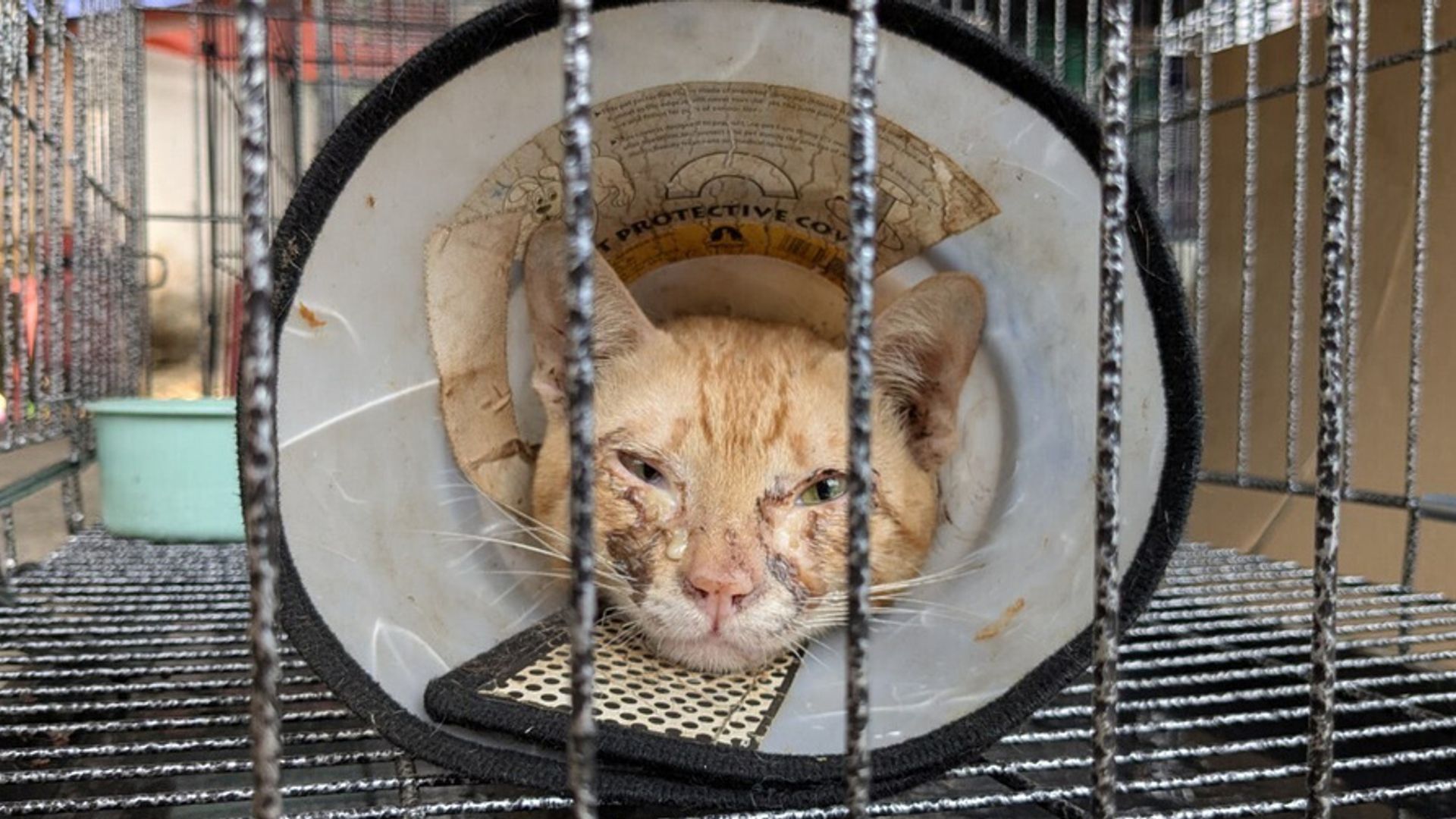
Nine people have been arrested after more than 400 cats destined for slaughter were rescued in Vietnam.
Sky News — 17 June 2026
Text:
20
0
0
Nine people have been arrested after more than 400 cats destined for slaughter were rescued in Vietnam. This report comes from Sky News. The story ce
Read Full Story at Sky News →
⚡ Quickyla Analysis
Original editorial context — not sourced from the article above
The rescue of over 400 cats destined for the meat trade in Vietnam is more than a local enforcement success—it underscores the shifting dynamics of animal welfare advocacy in Southeast Asia, where traditional practices increasingly clash with growing public sentiment against the consumption of pets. Unlike dogs, whose slaughter for meat has faced global scrutiny, cats occupy a grayer ethical space in Vietnam, where some communities view them as both pest controllers and food sources. This case, involving nine arrests, signals a potential turning point as law enforcement and activists push back against an underground trade that has thrived due to weak regulations and cultural ambiguity.
The broader significance of this bust extends beyond the immediate welfare of the rescued animals. It reflects a broader regional reckoning with the treatment of companion animals, particularly as urbanization and digital connectivity expose younger generations to Western-style pet culture. Social media campaigns and NGOs have amplified pressure on governments to enforce existing laws—Vietnam’s animal protection ordinances technically prohibit the slaughter of cats for food, but enforcement has been inconsistent. The large-scale operation also suggests a commercialized trade, with cats likely sourced from rural areas and transported to urban centers, exploiting gaps in welfare legislation.
What remains unclear is whether this arrest will deter traffickers or merely drive the trade further underground. The economic incentives remain strong in a country where cat meat is still marketed as a delicacy in some regions, particularly in the north. Meanwhile, the rescued cats—many of which are likely former strays—pose logistical challenges for shelters already struggling with overcrowding. The case also raises questions about the legal classification of cats: Are they livestock, companion animals, or something in between? A definitive legal framework could determine whether future cases are treated as animal cruelty or mere regulatory infractions.
This incident is part of a larger trend across Asia, where the line between tradition and evolving ethics is being redrawn. As countries like the Philippines and Thailand strengthen animal welfare laws, Vietnam’s response to this case could set a precedent for whether the region prioritizes cultural practices or aligns with global norms of pet protection.
Sources

🌍 World News
Man fleeing police attacked by alligator before continuing his getaway, Louisiana authorities say
🌍 World News
US crude exports hit record high in May as Iran war tightens global oil supplies

🌍 World News
Agitators outside Delaney Hall set up organized logistics operation before Newark protests began

🌍 World News
French doctors sound alarm over drinking water pollution

🌍 World News
Iran, Kuwait, Bahrain hit: Is the war in the Gulf escalating again?

🌍 World News
Four people trapped in flooded cave in Laos pulled to safety

