🔬 Science
Live
Hundreds of hidden earthquakes discovered beneath Antarctica — and they're happening in a very odd location
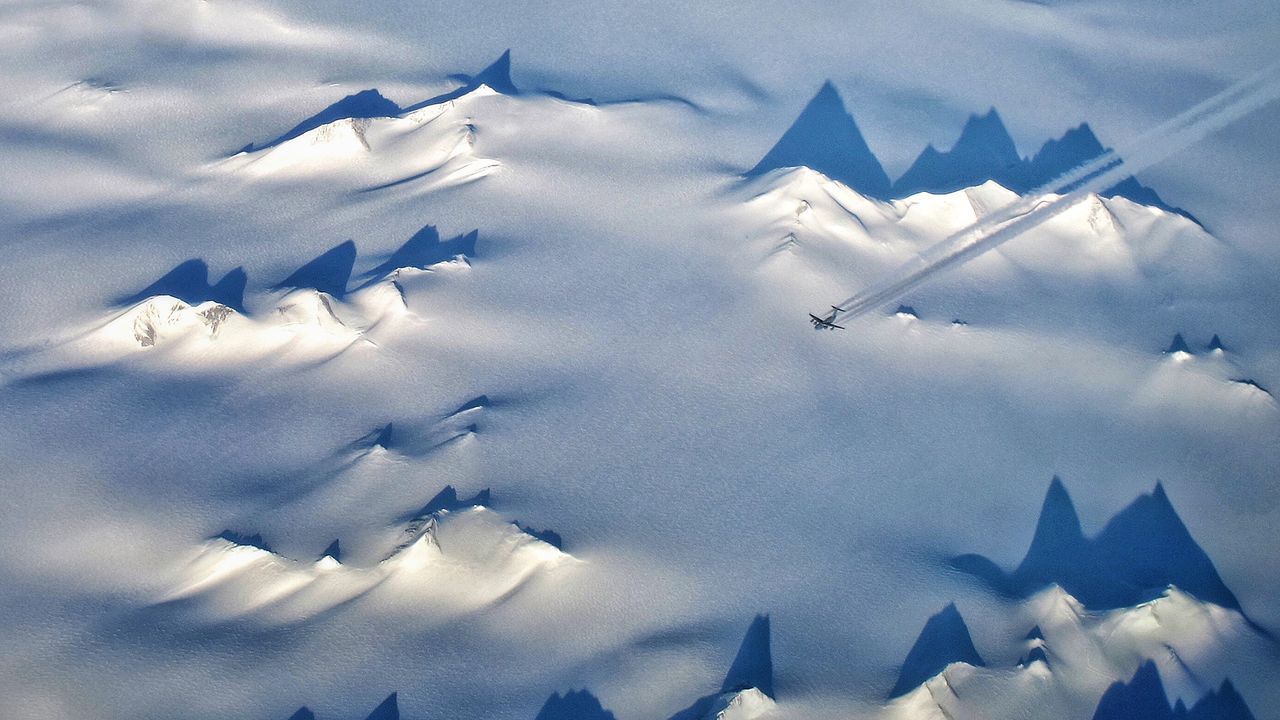
Antarctica was long thought to be seismically calm, but new technology makes it possible to detect unexpected types of earthquakes beneath the ice.
Live Science — 15 June 2026
Text:
20
0
0
Antarctica was long thought to be seismically calm, but new technology makes it possible to detect unexpected types of earthquakes beneath the ice. T
Read Full Story at Live Science →
⚡ Quickyla Analysis
Original editorial context — not sourced from the article above
The discovery of hundreds of hidden earthquakes beneath Antarctica is more than just a scientific curiosity—it challenges long-held assumptions about the continent’s geological stability while offering new clues about the forces reshaping Earth’s ice sheets. For decades, Antarctica was viewed as seismically dormant compared to tectonically active regions like the Pacific Ring of Fire. Yet advances in seismic monitoring, including high-sensitivity instruments deployed in remote areas, have revealed a far more dynamic landscape. These tremors, concentrated in unexpected locations beneath the ice, suggest that Antarctica’s bedrock is not as inert as once believed. This has profound implications for understanding how geological processes interact with climate-driven ice loss, potentially influencing future sea-level rise projections.
One key piece of context often overlooked is Antarctica’s unique setting. Unlike other continents, much of its bedrock is depressed beneath kilometers of ice, masking geological activity from surface observations. The detected earthquakes—likely tied to glacial movement, volcanic activity beneath the West Antarctic Ice Sheet, or even stress from the sheer weight of the ice—hint at a hidden thermal or tectonic engine driving these shifts. This raises questions about how such activity might accelerate or stabilize ice flow, particularly in regions like Thwaites Glacier, already dubbed the "Doomsday Glacier" for its potential to destabilize global coastlines.
What happens next depends on whether these tremors persist or intensify. If they’re linked to subglacial volcanism, as some studies suggest, they could introduce localized warming beneath the ice, speeding melt. Alternatively, they may reflect the ice sheet’s slow adjustment to climate change, where thinning shelves and retreating glaciers redistribute stress. Monitoring these signals will be critical as researchers refine models of Antarctica’s response to warming. The bigger picture? This discovery underscores how climate science and geology are increasingly intertwined, revealing that Earth’s frozen regions are far more geologically alive—and vulnerable—than previously thought.
Sources

🔬 Science
'Astonishing': James Webb telescope spots the most chemically primitive galaxy in the ancient universe

🔬 Science
El Niño Is Underway

🔬 Science
Astronomers gaze into the 'Crystal Ball Nebula' and see a vision of our dying sun — Space photo of the week

🔬 Science
Bacteria uncover distinct strategy to import rare sugar polymers, crystal structures show

🔬 Science
NASA Awards Contract for Johnson Space Center Infrastructure

🔬 Science
Repairing DNA damage: Scientists discover a surprising new benefit of melatonin

