Hundreds of Kenyans protest plans to quarantine US Ebola patients in their country
Hundreds of young demonstrators marched outside a military base in Kenya over US plans for an Ebola quarantine zone in the country.
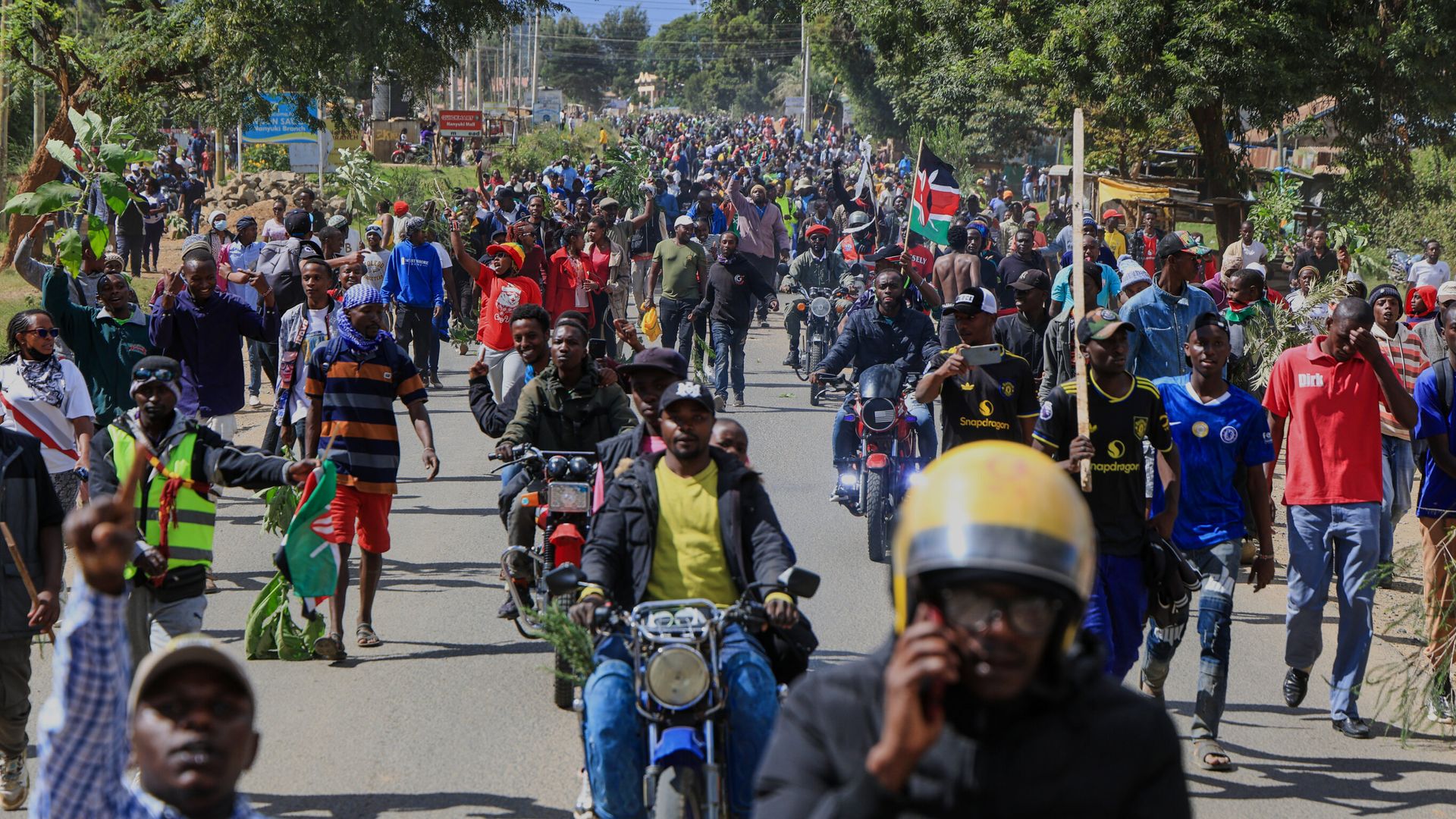
Hundreds of young demonstrators marched outside a military base in Kenya over US plans for an Ebola quarantine zone in the country. This report comes
Read Full Story at Sky News →Why This Matters
The protest underscores a growing distrust in global health institutions and international cooperation, particularly in regions where historical exploitation by foreign powers has left deep scars. It also signals how public health emergencies can quickly escalate into political flashpoints, testing fragile trust in government handling of crises. The backlash highlights the tension between national sovereignty and international aid, a debate that could reshape how African nations engage with global health initiatives.
Background Context
Kenya has faced repeated controversies over foreign medical interventions, from colonial-era vaccination campaigns to more recent disputes over pharmaceutical patents and clinical trials. The country’s health system remains strained, with public skepticism toward external actors fueled by past instances of unethical experimentation or perceived neglect. Meanwhile, Ebola outbreaks in neighboring Uganda and the Democratic Republic of Congo have kept regional health authorities on high alert, complicating any foreign-led containment efforts.
What Happens Next
The government’s response will be closely watched—whether it doubles down on cooperation with the U.S. or bows to public pressure by rejecting the quarantine plan. Regional health blocs like the East African Community may face pressure to mediate, while anti-globalization rhetoric could gain traction ahead of elections. If the protests escalate, they may force a rethink of how foreign aid is framed in public discourse, potentially deterring future collaborative health projects.
Bigger Picture
This episode reflects a broader skepticism toward Western-led health interventions in Africa, where conspiracy theories about biosecurity and exploitation often thrive. It also mirrors rising nationalism worldwide, where public health measures are increasingly politicized. As global health threats grow more frequent, the challenge will be balancing transparency with urgency—a lesson that could redefine international aid for decades.







