🚔 Crime & Justice
Live
Husband stood over dying wife to record her final breaths after beating her for asking for a divorce, cops say
A California man "bludgeoned" and butchered his wife with a machete and dumbbells after she told him she planned to divorce him — then filmed and photographed her as she died, according to police. The

Law & Crime — 18 June 2026
Text:
24
0
0
A California man "bludgeoned" and butchered his wife with a machete and dumbbells after she told him she planned to divorce him — then filmed and phot
Read Full Story at Law & Crime →
⚡ Quickyla Analysis
Original editorial context — not sourced from the article above
The brutal killing of a woman in California by her husband—documented in real time as he recorded her final moments—is a grotesque manifestation of the most extreme expression of intimate partner violence: the refusal to accept autonomy, the weaponization of technology, and the erasure of a life in defiance of justice. This case transcends its horrific details, exposing the persistent failure of systems designed to protect victims of domestic abuse. While the specifics of California’s legal framework for restraining orders and mandatory reporting may be refined after this tragedy, the core issue remains systemic. Domestic violence shelters, law enforcement training, and societal attitudes toward coercive control lag behind the sophistication of abusers who use surveillance, threats, and digital tools to exert dominance. The fact that the perpetrator filmed the murder underscores a chilling trend: abusers now weaponize the very tools meant to document their crimes, turning victims’ final moments into trophies of power.
The broader context here is the normalization of surveillance within abusive relationships, a phenomenon exacerbated by the rise of smart devices, GPS trackers, and social media. Batterers often exploit technology to monitor, isolate, and terrorize their partners long before physical violence escalates. Yet legal recourse for digital harassment remains inconsistent, with many victims struggling to prove abuse that leaves no physical trace. This case may force courts and law enforcement to confront whether existing laws adequately address the premeditated cruelty of documenting a murder as it unfolds—a act that transforms a crime scene into a grotesque performance.
What remains unclear is whether this will catalyze meaningful change. Will California expand restraining orders to explicitly cover digital stalking? Will prosecutors pursue enhanced charges for crimes involving the recording of violence as a means of intimidation? The open question is whether this case will be treated as an anomaly or the inevitable endpoint of a culture that tolerates coercive control until it turns lethal. Its broader significance lies in the uncomfortable truth it exposes: the tools of surveillance, once repurposed by abusers, reveal how little society has done to disrupt the cycle before it reaches its most violent conclusion.
Sources

🚔 Crime & Justice
Dad and daughter crushed to death by bulldozer that rolled off truck, landed on their vehicle after driver failed to properly secure it

🚔 Crime & Justice
Boyfriend used surprise flowers to lure pregnant girlfriend outside, then shot her in the head just weeks before the baby was due, cops and friends say

🚔 Crime & Justice
Daughter drained mom's 'life savings' while keeping her locked away in bedroom, refused to change her dirty Pampers as she suffered from dementia and Alzheimer's: Cops

🚔 Crime & Justice
'He's gonna pay': Man lured embattled school board member outside his home by shutting off his power before trying to kill him, cops say

🚔 Crime & Justice
8-month pregnant woman kills other woman whose child was fathered by the same man
🚔 Crime & Justice
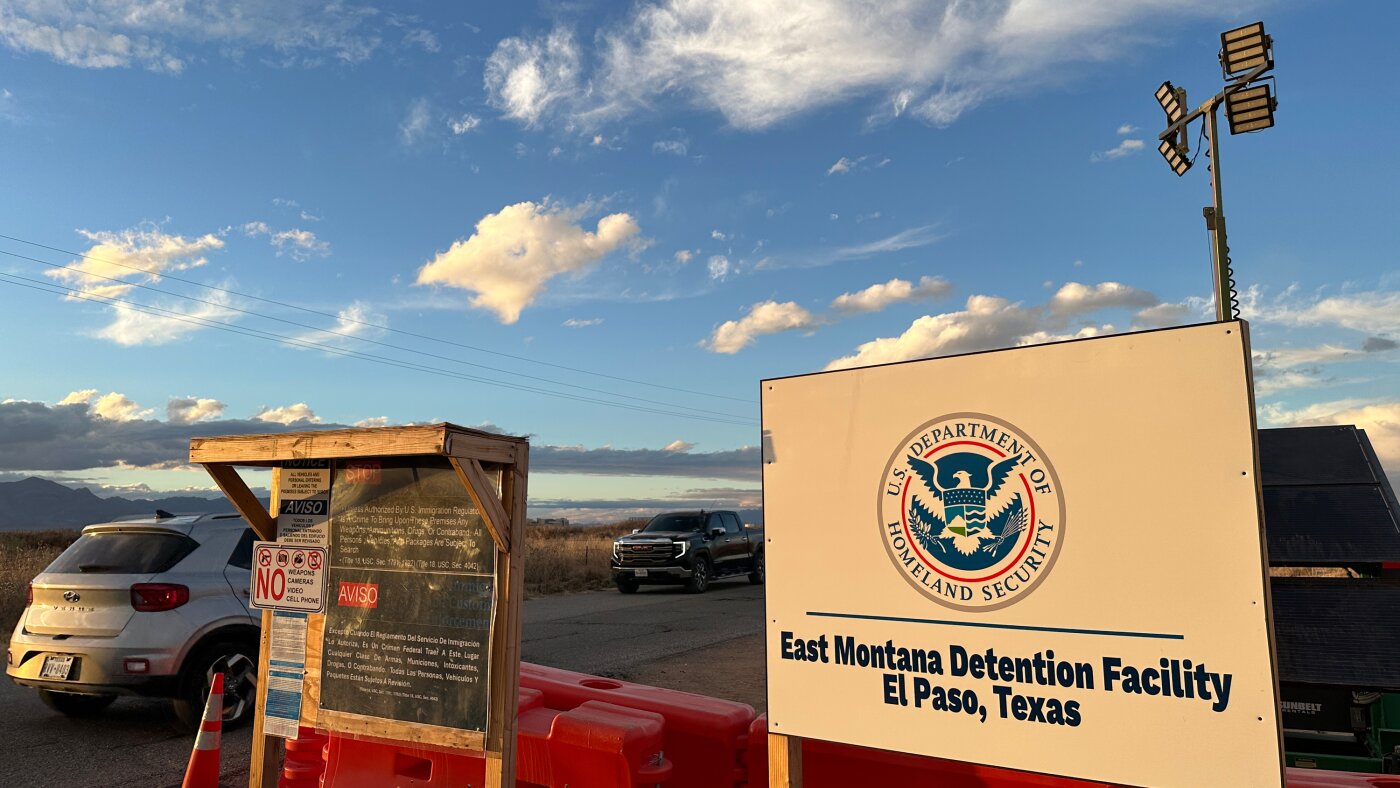
Immigrant detainees sue over 'horrific' conditions at Texas ICE facility

