'I will blow the White House up': Man threatens to annihilate Trump 'in approximately 1 week' and boasts about killing him 'in cold blood,' feds say
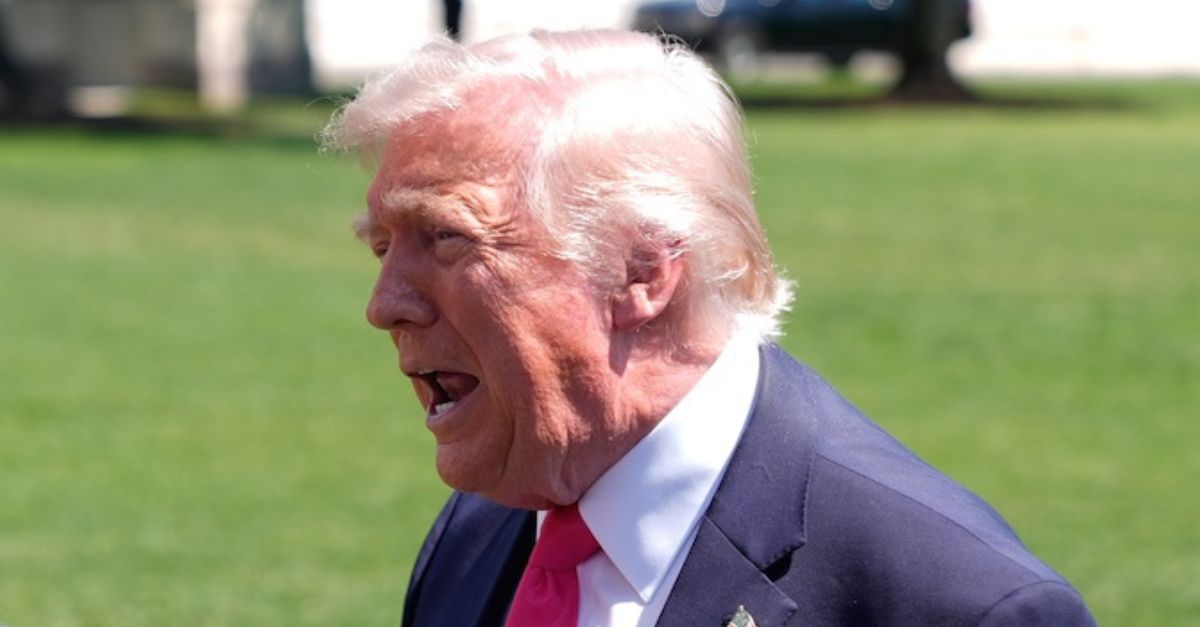
A Florida man allegedly threatened to kill President Trump "in cold blood" and "blow the white house up" in messages sent to "whitehouse.gov," according to federal prosecutors. The post 'I will blow …
Law & Crime — 16 June 2026
Text:
13
0
0
A Florida man allegedly threatened to kill President Trump "in cold blood" and "blow the white house up" in messages sent to "whitehouse.gov," accordi
Read Full Story at Law & Crime →
⚡ Quickyla Analysis
Original editorial context — not sourced from the article above
The escalation in violent rhetoric against a sitting U.S. president is not just a legal matter—it’s a symptom of a broader erosion in political discourse where rage is increasingly weaponized as a form of activism. The case of the Florida man who allegedly threatened to assassinate Donald Trump and destroy the White House in a matter of days reflects a volatile moment in American politics, where online radicalization often precedes real-world violence. Federal prosecutions for such threats have surged in recent years, yet the underlying conditions—polarization, misinformation, and the normalization of violent imagery in political rhetoric—remain unaddressed. This incident underscores how digital platforms, even official government channels, can become vectors for extremism, blurring the line between free speech and criminal intent.
The accused’s apparent belief that such threats carry immediate weight speaks to a disturbing trend: the desensitization to violence as a plausible political tool. Historically, political assassinations in the U.S. have often been tied to extremist ideologies or personal grievances, but the internet has democratized both the reach and the audacity of such threats. What makes this case particularly alarming is the specificity of the timeline—suggesting the perpetrator may have acted with a sense of urgency or delusion about his own capabilities. Prosecutors will likely scrutinize whether this was a lone act of frustration or part of a broader network of radicalized individuals.
Moving forward, the case raises critical questions: How effectively can law enforcement track and prevent such threats before they materialize? Will social media platforms and government websites face stricter monitoring of violent rhetoric, and if so, at what cost to free expression? The broader trend here is the intersection of mental health crises, political extremism, and the unchecked spread of violent fantasy online. Without addressing the root causes—whether through better digital governance, mental health resources, or a recalibration of political rhetoric—the cycle of threats and violence is likely to persist. The White House’s security apparatus is already on high alert, but the real challenge lies in preventing the next potential attacker from slipping through the cracks.
Sources

🚔 Crime & Justice
Dad and daughter crushed to death by bulldozer that rolled off truck, landed on their vehicle after driver failed to properly secure it

🚔 Crime & Justice
Boyfriend used surprise flowers to lure pregnant girlfriend outside, then shot her in the head just weeks before the baby was due, cops and friends say
🚔 Crime & Justice
Daughter drained mom's 'life savings' while keeping her locked away in bedroom, refused to change her dirty Pampers as she suffered from dementia and Alzheimer's: Cops

🚔 Crime & Justice
8-month pregnant woman kills other woman whose child was fathered by the same man

🚔 Crime & Justice
'He's gonna pay': Man lured embattled school board member outside his home by shutting off his power before trying to kill him, cops say
🚔 Crime & Justice
Immigrant detainees sue over 'horrific' conditions at Texas ICE facility


