ICC suspends top prosecutor after investigating misconduct allegations
The International Criminal Court's (ICC) chief prosecutor, Karim Khan, has been suspended with immediate effect while an investigation into misconduct allegations continues. The decision was made by…
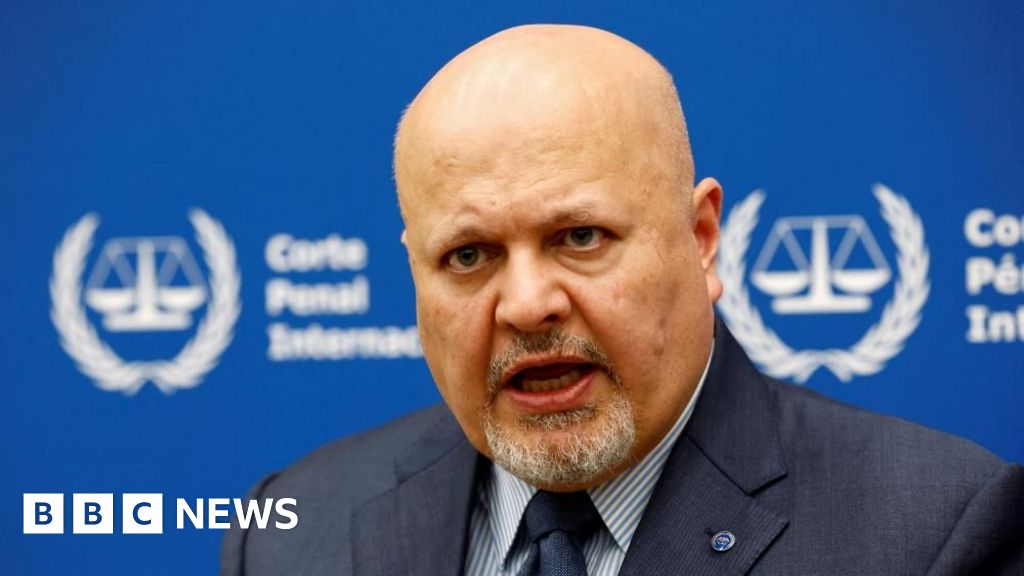
The International Criminal Court's (ICC) chief prosecutor, Karim Khan, has been suspended with immediate effect while an investigation into misconduct
Read Full Story at BBC World News →Why This Matters
Beyond the immediate shock of a sitting ICC prosecutor facing suspension, this case underscores the delicate balance between institutional integrity and the court's global credibility. Rarely has a figure at Karim Khan's level been subjected to such scrutiny, raising questions about whether the ICC's enforcement mechanisms can withstand the pressures of geopolitical scrutiny while maintaining its independence.
Background Context
The ICC's prosecutor office has long been a flashpoint for criticism from states wary of its jurisdiction, particularly in Africa and the U.S. The court's perceived selectivity in pursuing cases against Western powers while often targeting African leaders has fueled accusations of bias—a narrative that complicates any internal disciplinary action. Khan's suspension comes at a time when the court is already navigating strained relations with key member states over its pursuit of the Israel-Hamas war investigation.
What Happens Next
The suspension leaves a leadership vacuum at a pivotal moment, with the court's docket already crowded with high-stakes investigations into Ukraine, Palestine, and Sudan. Investigators will now face heightened pressure to resolve the misconduct probe swiftly to avoid further erosion of public trust, while the prosecutor's office must demonstrate that no figure—regardless of rank—is above scrutiny. Watch for whether the case triggers broader reforms within the court's governance structures.
Bigger Picture
This development reflects a broader trend of international institutions facing internal reckonings over accountability, mirroring pressures seen in the UN and other multilateral bodies. The ICC's crisis also highlights the growing tension between legal institutions and sovereign states, where perceived overreach or perceived inequity in enforcement can undermine legitimacy. How the court navigates this moment may set a precedent for whether international justice systems can police their own ranks without becoming hostage to geopolitical agendas.





