In a first, scientists transplanted both a pig liver and kidneys into a person who was brain-dead
In a first, scientists transplanted both a pig liver and kidneys into a person who was brain-dead The transplanted pig organs functioned for 36 hours before showing signs of rejection A 53-year-old…
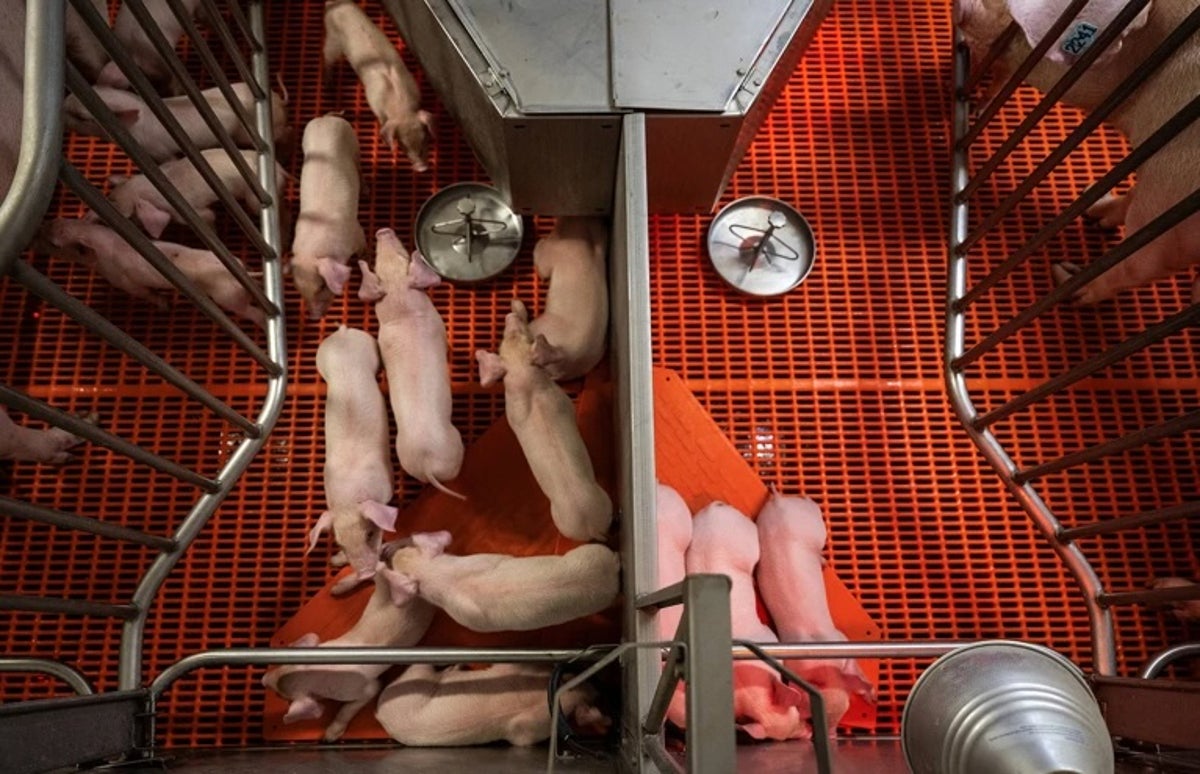
In a first, scientists transplanted both a pig liver and kidneys into a person who was brain-dead The transplanted pig organs functioned for 36 hours
Read Full Story at Scientific American →Why This Matters
This landmark experiment represents a critical step toward solving the organ shortage crisis, which claims thousands of lives annually. By demonstrating the simultaneous viability of multiple pig organs in a human host—even briefly—researchers have moved closer to a future where xenotransplantation could become a routine lifeline. The brief functionality of these organs, despite rejection, underscores both the promise and the formidable challenges still ahead in making cross-species transplants a viable medical solution.
Background Context
Xenotransplantation has long been a tantalizing but elusive solution to the organ shortage, with early attempts dating back to the 1960s. Recent breakthroughs, such as CRISPR gene-editing to reduce pig organ rejection, have reignited interest. The FDA’s 2022 approval of clinical trials for pig-to-human kidney transplants marked a regulatory turning point, but this is the first known case of a dual-organ trial, pushing the boundaries of what’s technically feasible.
What Happens Next
Scientists will likely refine gene-editing techniques to extend the functional lifespan of pig organs, while regulators evaluate the ethical and safety implications of expanding such trials to living patients. The next phase may involve testing in patients with irreversible organ failure, where the risk of rejection could be mitigated by immunosuppressive regimens. Public and scientific debate over the welfare of pig donors—raised in controlled, pathogen-free environments—will also intensify as these experiments progress.
Bigger Picture
This advance aligns with a broader acceleration in biotech, where synthetic biology and genetic engineering are blurring the lines between species. It also reflects a growing willingness to embrace high-risk, high-reward medical innovations, particularly as traditional solutions fail to meet demand. If successful, xenotransplantation could redefine organ transplantation, but it also raises existential questions about the ethical limits of altering life forms for human benefit.







