In Canary Islands, pope puts a spotlight on tragedies of migration
GRAND CANARY – Pope Leo began the final leg of his Spanish tour Thursday with a visit to the Canary Islands – a papal first – hearing testimony of the tragedies migrants endure. “We cannot grow accus…
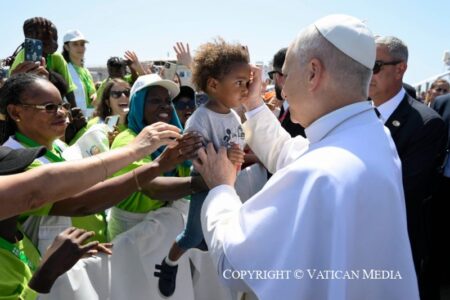
GRAND CANARY – Pope Leo began the final leg of his Spanish tour Thursday with a visit to the Canary Islands – a papal first – hearing testimony of the
Read Full Story at Crux Now →Why This Matters
The Canary Islands have emerged as one of Europe’s most critical flashpoints in the migration crisis, yet their strategic importance often overshadows the human toll. Pope Leo’s visit elevates a humanitarian emergency to the highest moral authority, forcing global audiences to confront the human faces behind the statistics. Beyond symbolism, his actions could pressure political leaders to reconsider policies that have left thousands stranded in legal limbo.
Background Context
The Canary Islands lie just 60 miles from the African coast, making them a perilous gateway for migrants fleeing conflict, climate disasters, or economic despair. Unlike the Mediterranean routes, this path is dominated by small, unseaworthy vessels, leading to some of the deadliest shipwrecks in modern history. Spain’s approach has oscillated between rescue operations and deterrence, while the EU’s funding for border security has often prioritized containment over protection.
What Happens Next
Diplomatic observers will scrutinize whether the pope’s intervention prompts Spain to adjust its migration policies or nudges the EU toward more robust search-and-rescue funding. Locally, the visit may galvanize civil society groups advocating for safer routes, but it could also provoke backlash from factions resistant to any perceived softening on border control. The timing—amid rising far-right influence in Europe—adds urgency to the debate.
Bigger Picture
This moment reflects a broader reckoning with Europe’s fortress mentality, as the continent grapples with shifting migration patterns and the ethical contradictions of its humanitarian ideals. The Canary route is no longer an anomaly but a harbinger of future crises, where geography and desperation collide with geopolitical indifference. The pope’s engagement signals a moral urgency that risks being drowned out by political gridlock unless met with sustained public pressure.