India bets big on domestic drones for future warfare
For decades, India's military relied primarily on troops, fighter aircraft, satellites and conventional surveillance systems to monitor its borders. The 2020 military standoff with China in eastern …
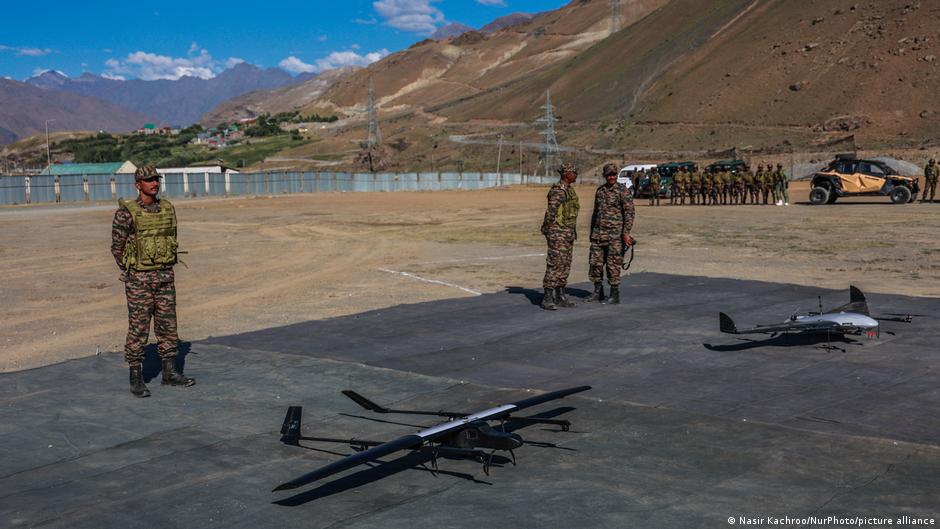
For decades, India's military relied primarily on troops, fighter aircraft, satellites and conventional surveillance systems to monitor its borders.
Read Full Story at DW World →Why This Matters
India’s pivot toward domestic drones signals a tectonic shift in its defense strategy, moving beyond traditional force structures to embrace cutting-edge technology. In an era where asymmetric warfare and real-time surveillance dominate military doctrine, drones offer a cost-effective way to counter both conventional threats and gray-zone aggression—especially along contested borders. The move reflects a broader realization that future conflicts will be won not just by firepower, but by superior reconnaissance and rapid response capabilities.
Background Context
India’s military-industrial complex has long lagged in drone development, relying on imports from Israel and the U.S. for high-end systems like the Heron and MQ-9. The 2020 Galwan Valley clash exposed vulnerabilities in surveillance and mobility, prompting New Delhi to fast-track indigenous solutions. Meanwhile, global supply chain disruptions during the pandemic and geopolitical constraints on arms transfers—particularly from the U.S. to India’s rivals—have accelerated the push for self-sufficiency in key defense technologies.
What Happens Next
Expect a surge in defense contracts for Indian firms like Adani Defence and ideaForge, with prototypes likely to enter testing phases within 12–18 months. The military’s adoption of swarming drone tactics could reshape border skirmishes, reducing the need for boots on the ground in high-risk zones. However, challenges remain: integrating AI-driven autonomy, securing supply chains for critical components, and ensuring interoperability with existing command structures will test the country’s technological and logistical mettle.
Bigger Picture
This strategy aligns with a global trend where mid-tier powers—from Turkey to South Korea—are prioritizing drone development to level the playing field against larger militaries. For India, it’s also a test case for leveraging private sector innovation, a model that could redefine defense procurement beyond the sluggish state-run ordnance factories. If successful, it may set a precedent for other nations seeking to reduce reliance on foreign arms while modernizing their armed forces for 21st-century threats.







