💻 Technology
Live
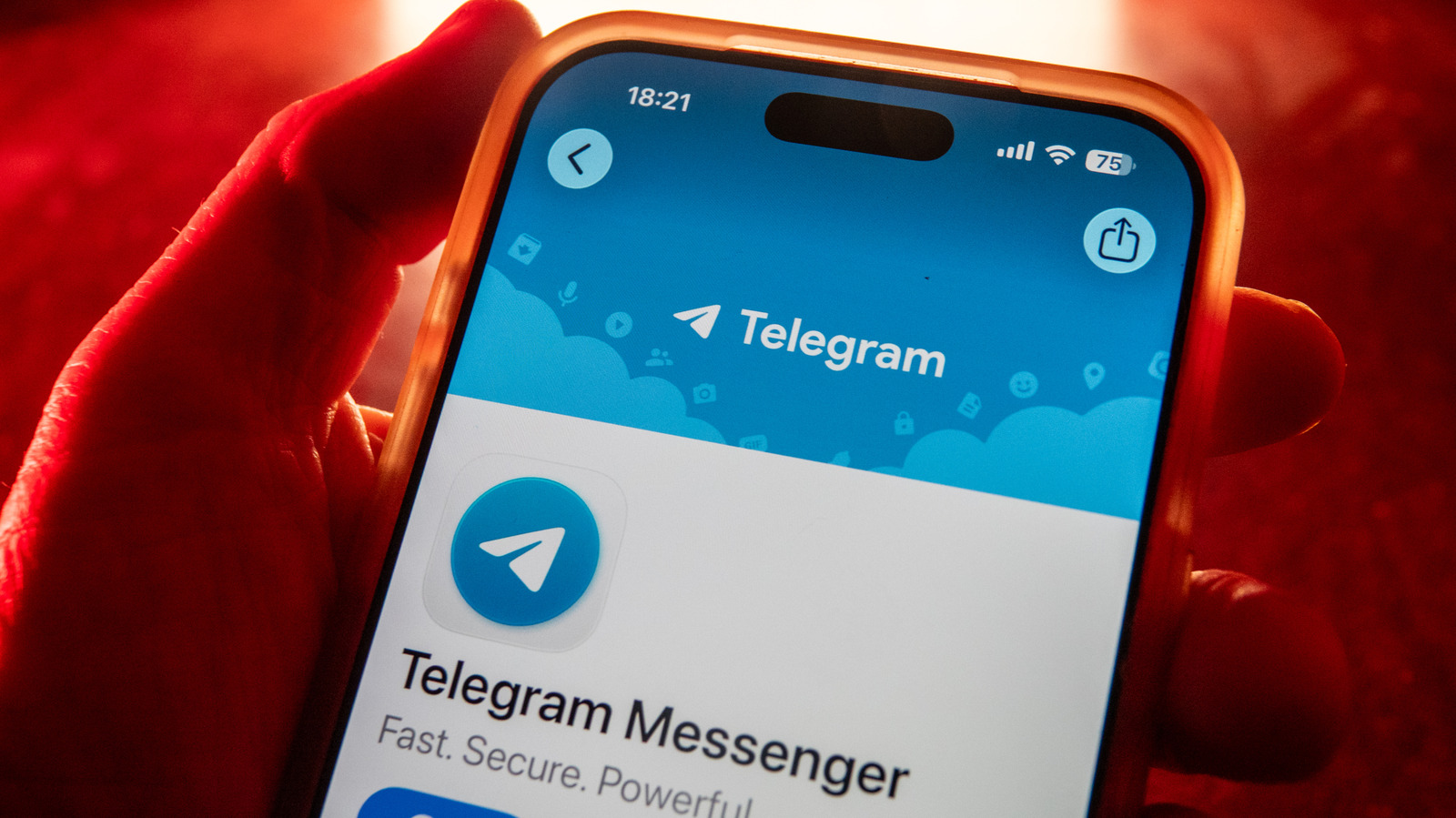
India temporarily blocks Telegram, claiming it was done to prevent exam fraud
The platform will be unavailable until June 22 after a key test paper was purportedly leaked. India has temporarily blocked Telegram for a strange justification: test cheating. The government recent…
Engadget — 16 June 2026
Text:
35
0
0
The platform will be unavailable until June 22 after a key test paper was purportedly leaked. India has temporarily blocked Telegram for a strange ju
Read Full Story at Engadget →
⚡ Quickyla Analysis
Original editorial context — not sourced from the article above
India’s decision to temporarily block Telegram raises critical questions about the intersection of digital surveillance, educational integrity, and state power in an era of escalating online fraud. The move isn’t just about a single messaging app—it reflects a broader pattern of governments using crisis-driven justifications to tighten control over digital platforms under the guise of security or public order. Telegram, with its encryption and user anonymity features, has long been a thorn in the side of authorities in India, particularly when it comes to examinations. The timing of this ban, coming amid a surge in cheating scandals across competitive exams, suggests the government is leveraging the crisis to assert greater oversight over digital communication channels that were once considered outside its reach.
The timing also coincides with India’s broader push to regulate digital spaces, from social media to VPNs, under the guise of combating misinformation and illicit activity. While the stated goal—preventing exam fraud—may resonate with a public frustrated by high-profile cheating cases, the lack of transparency in how the ban was implemented raises concerns. Was this a targeted response to a specific leak, or a preemptive measure to assert control over a platform that has resisted government interference in the past? The government’s claim that the ban is temporary until June 22 does little to dispel skepticism, especially given Telegram’s history of defiance against takedown requests in India.
What happens next could set a precedent. If the ban is lifted without concrete reforms to Telegram’s moderation policies, it may embolden similar actions in the future, particularly in high-stakes testing environments. Conversely, if the government fails to address the underlying issues—such as systemic corruption in exam administration—the move risks being seen as performative rather than preventive. For digital rights advocates, this episode underscores the fragility of online freedoms in India, where security narratives often override concerns about privacy and censorship. As governments worldwide grapple with balancing innovation and control, India’s experiment with Telegram may serve as a cautionary tale—or a blueprint—for others to follow.
Sources

💻 Technology
You can now beat ChatGPT Codex rate limits, if you have friends

💻 Technology
Meta is reportedly developing an AI pendant

💻 Technology
Cash App made a magic wand for contactless payments

💻 Technology
Coders are refusing to work without AI — and that could come back to bite them

💻 Technology
Hackers hijacked Instagram accounts by tricking Meta AI support chatbot into granting access

💻 Technology
Asus gives the ROX Xbox Ally the OLED screen it deserves

