Inside Google’s AI training for teachers
Google flew 70 teachers and administrators to its California headquarters to learn about its AI products — and how to persuade skeptical colleagues to use them.
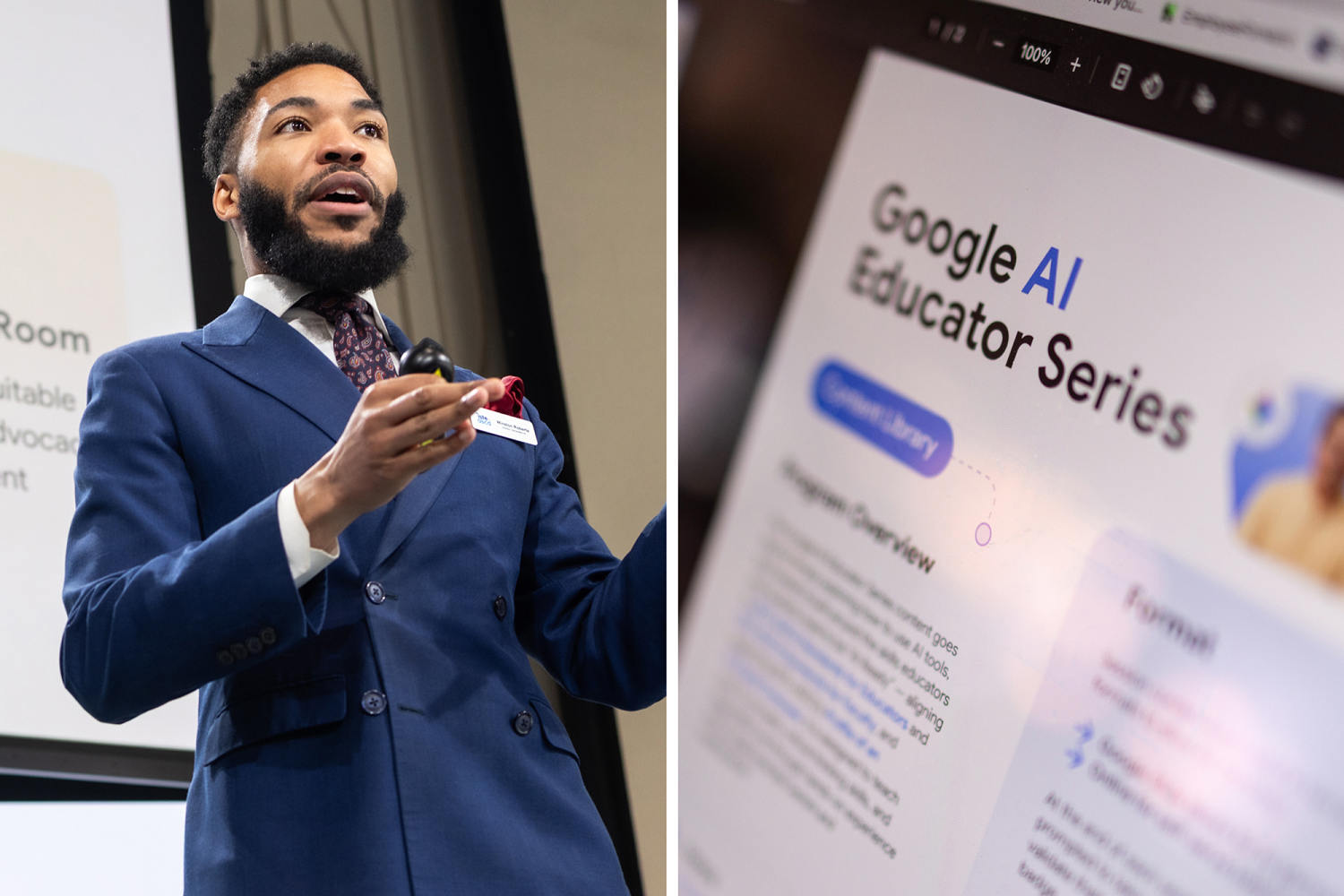
Google flew 70 teachers and administrators to its California headquarters to learn about its AI products — and how to persuade skeptical colleagues to
Read Full Story at NBC News →Why This Matters
Google’s initiative reflects a strategic pivot in how tech giants engage with education—not just by selling tools, but by cultivating internal advocates who can influence adoption. The move underscores how AI is no longer an optional experiment in classrooms but a default expectation, even among skeptics. By targeting educators directly, Google is preemptively shaping the narrative around its products before resistance solidifies.
Background Context
The push comes amid growing scrutiny over how Big Tech interfaces with public institutions, particularly in education where data privacy and equity concerns have led to bans or restrictions on certain tools. Google’s earlier dominance in K-12 schools—via Chromebooks and Google Classroom—has faced pushback, with some districts opting for alternatives. This training signals an effort to reclaim ground by addressing the human factor: the teachers and administrators who ultimately decide which technologies enter classrooms.
What Happens Next
Expect a ripple effect as trained educators return to their schools and become de facto evangelists for Google’s AI suite, potentially accelerating adoption rates. However, the long-term success hinges on whether these advocates can overcome entrenched skepticism—especially in districts wary of corporate influence. The program also sets a precedent for how tech companies might future-proof their products by embedding them in institutional workflows before competitors do.
Bigger Picture
This aligns with a broader trend of tech companies treating educators as a critical bridge between innovation and institutional adoption, mirroring strategies used in healthcare and finance. As AI tools become more sophisticated, the battle for mindshare in education will shift from features to trust—a dynamic where direct engagement with end users becomes as vital as the products themselves. The outcome could redefine not just classroom technology, but the power structures that govern how schools integrate new tools.






