💻 Technology
Live
Investigation by The Atlantic reveals many millions of songs used for AI music training
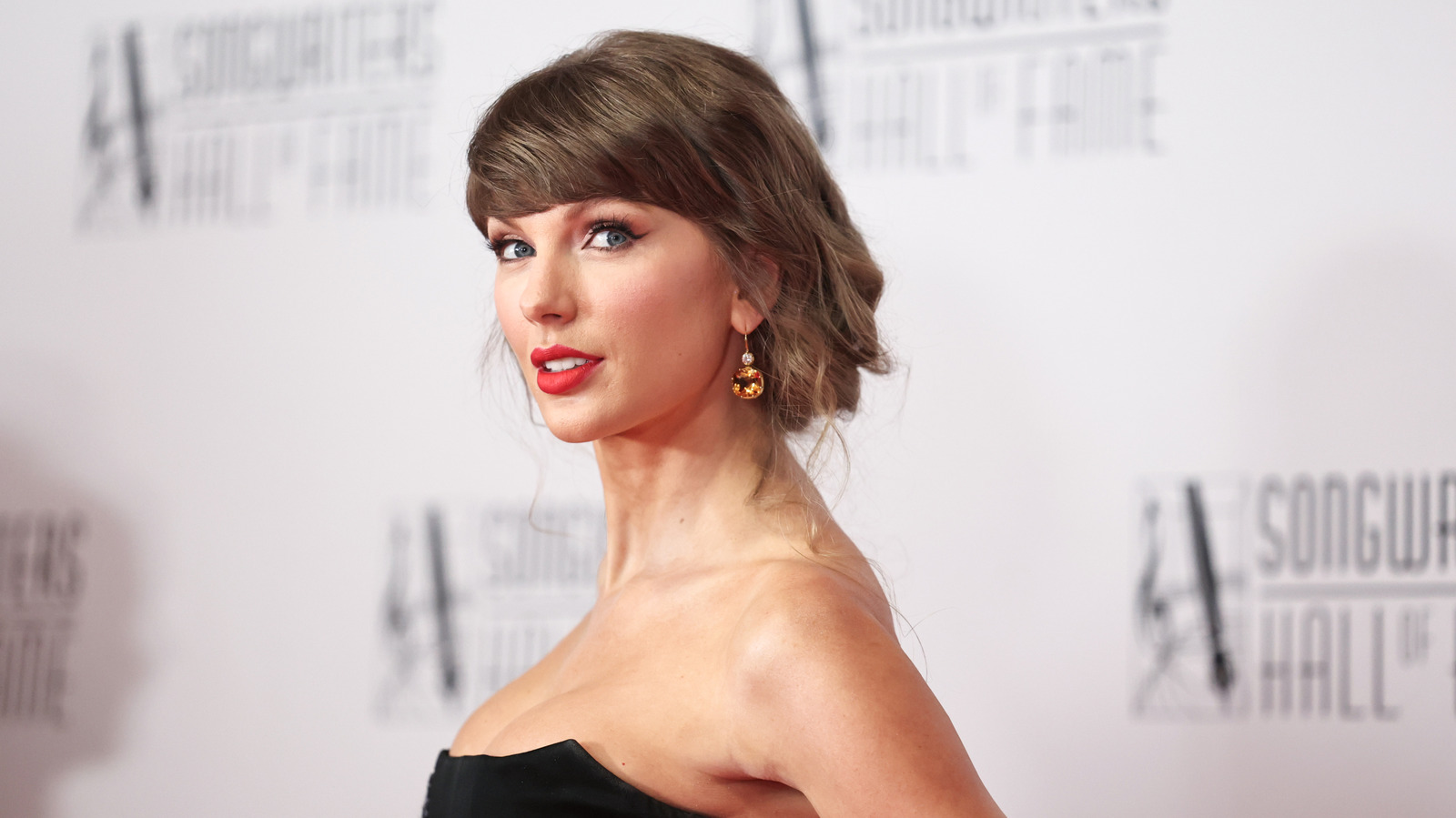
Taylor Swift, Bad Bunny and many, many more artists have had their work fed into AI models. We're always glad to see more publications and groups digging deeper into artificial intelligence and its …
Engadget — 15 June 2026
Text:
25
0
0
Taylor Swift, Bad Bunny and many, many more artists have had their work fed into AI models. We're always glad to see more publications and groups dig
Read Full Story at Engadget →
⚡ Quickyla Analysis
Original editorial context — not sourced from the article above
The revelation that countless songs—including those by Taylor Swift, Bad Bunny, and countless other artists—have been used to train AI music models isn’t just another data point in the ongoing debate over artificial intelligence. It’s a watershed moment that forces society to confront a fundamental question: Who owns the raw material of culture in the age of machines? Unlike past technological revolutions, AI doesn’t merely redistribute creative work—it absorbs, dissects, and recombines it at an industrial scale, often without consent or compensation. This isn’t just about royalties or legal battles, though those will rage for years. It’s about the erosion of artistic agency itself. When an AI can mimic the vocal stylings of a global superstar or regenerate the sonic signatures of entire genres, what does it mean to be an artist? What does it mean to own a voice, a melody, or even a fleeting vocal inflection?
The scale of this practice is staggering. While tech companies have long treated datasets as public goods, the music industry’s silence until now speaks to a deeper complicity—or perhaps resignation. Many artists, especially those without the clout of Swift or Bad Bunny, have no recourse when their work becomes grist for an algorithm’s mill. The lack of transparency from AI developers only compounds the issue. If training datasets are trade secrets, how can musicians even verify whether their work has been used? This opacity mirrors broader patterns in the tech industry, where opacity is often wielded as a shield against accountability.
What happens next remains uncertain. Legal challenges are inevitable, but the courts have historically lagged behind technological leaps. Will artists push for new legislation, or will they be forced to adapt to a reality where their work exists in a perpetual gray zone of exploitation? Meanwhile, the cultural implications are just as fraught. If AI-generated music floods platforms, will listeners even care whether their favorite "artist" is human? The trend toward devaluing human artistry isn’t new, but AI accelerates it, turning creation into a commodity to be mined rather than a labor of love.
This isn’t just a music industry problem—it’s a societal one. Once AI can replicate any creative expression, the very idea of originality becomes negotiable. The conversation around AI isn’t just about efficiency or innovation; it’s about what we’re willing to sacrifice in the name of progress.
Sources

💻 Technology
You can now beat ChatGPT Codex rate limits, if you have friends

💻 Technology
Meta is reportedly developing an AI pendant

💻 Technology
Cash App made a magic wand for contactless payments

💻 Technology
Coders are refusing to work without AI — and that could come back to bite them

💻 Technology
Hackers hijacked Instagram accounts by tricking Meta AI support chatbot into granting access

💻 Technology
Asus gives the ROX Xbox Ally the OLED screen it deserves

