Iran and Oman propose fee plan for Strait of Hormuz, sources say
Monetizing the strait would be a dramatic change from before the war, when cargo ships transited without paying any fee.
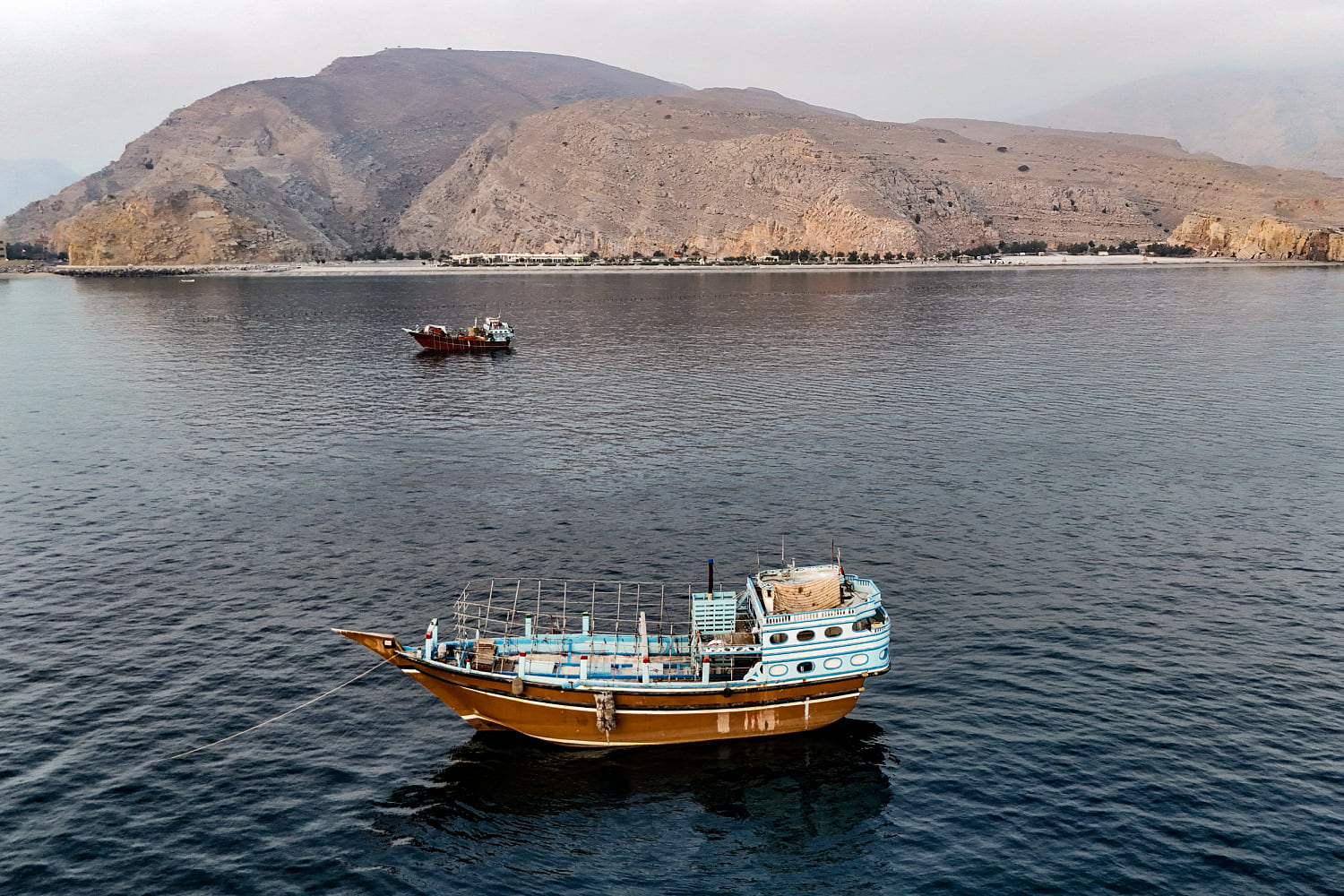
Monetizing the strait would be a dramatic change from before the war, when cargo ships transited without paying any fee.
Read Full Story at NBC News →Why This Matters
The proposal by Iran and Oman to introduce a fee structure for vessels transiting the Strait of Hormuz represents a seismic shift in the geopolitics of global energy markets. With roughly 20% of the world's oil supply passing through these waters daily, the move could redefine maritime governance norms and test the resolve of international shipping powers. It also signals a bold assertion of sovereignty by regional actors amid shifting power dynamics in the Persian Gulf.
Background Context
The Strait of Hormuz has long been treated as a de facto international waterway, with free passage guaranteed under maritime law. However, Iran's history of asserting control—including seizures of foreign vessels and threats to close the strait during past crises—suggests this proposal is part of a broader strategy to leverage its geographic dominance. Oman's involvement adds diplomatic weight, given its role as a neutral mediator in regional conflicts and its close ties with both Iran and Gulf states.
What Happens Next
The immediate reaction from global shipping giants and Western powers will be critical in determining whether the plan gains traction. If major economies challenge the fee structure under international maritime law, the proposal could trigger legal disputes or retaliatory measures. Meanwhile, Iran may use the initiative to gauge the resolve of its adversaries, particularly in the context of ongoing nuclear negotiations and sanctions relief.
Bigger Picture
This move reflects a growing trend of littoral states monetizing critical chokepoints, as seen with Egypt's expansion of the Suez Canal tolls and Turkey's control over the Bosporus. It also underscores the erosion of post-WWII maritime norms, where resource-rich nations increasingly assert control over strategic transit routes. The outcome here could set a precedent for similar disputes in other global chokepoints.