Iran at war: Overt stability masks deepening crises
On February 28, the US and Israel launched joint airstrikes targeting military and strategic sites across the Islamic Republic. Key facilities of the Iranian armed forces were destroyed, and Supreme…
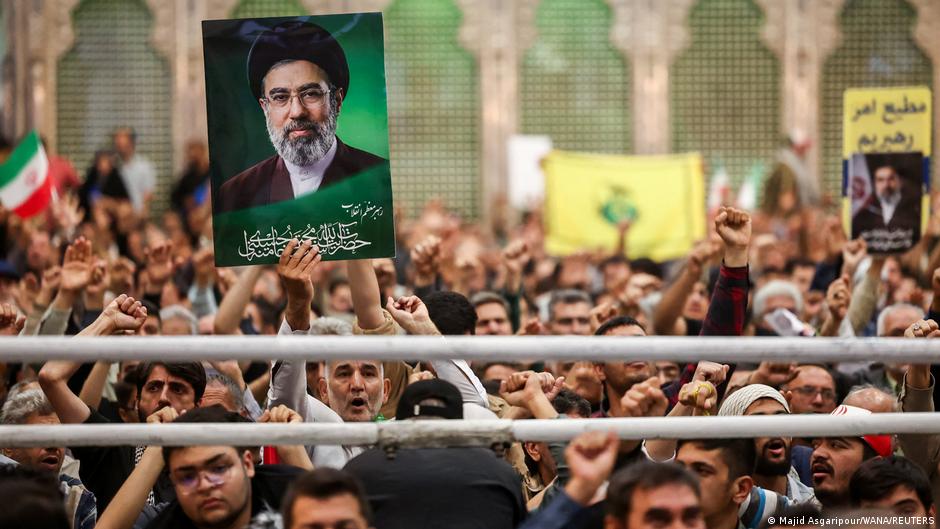
On February 28, the US and Israel launched joint airstrikes targeting military and strategic sites across the Islamic Republic. Key facilities of the
Read Full Story at DW World →Why This Matters
The latest strikes signal a dangerous escalation in the shadow war between Iran and its adversaries, where overt stability belies a fragile ecosystem of proxy conflicts and covert operations. Unlike conventional warfare, these attacks target not just military assets but the regime’s narrative of invincibility, forcing Tehran to recalibrate its deterrence strategy in real time. The strikes also expose the widening gap between Iran’s regional ambitions and its eroding capacity to project power without provoking direct retaliation.
Background Context
Iran has long relied on a two-tiered deterrence model: a conventional military to deter conventional threats and a network of proxies—Hezbollah, militias in Iraq and Yemen, and Hamas—to extend its influence asymmetrically. Yet years of economic strain from sanctions, internal unrest, and aggressive Israeli sabotage campaigns have weakened this framework. The February 28 strikes, reportedly coordinated by the U.S. and Israel, mark the first time Iranian territory has been directly targeted since the 1980s, underscoring a shift from proxy warfare to direct confrontation.
What Happens Next
The regime’s response will likely prioritize symbolic retaliation to restore deterrence while avoiding a full-scale war it cannot afford. Expect Iran to lean heavily on its proxies to launch asymmetric attacks—cyber operations, drone strikes, or missile barrages—targeting U.S. bases in the region or Israeli infrastructure. The bigger wild card is whether Iran’s leadership, facing internal pressure from hardliners and reformists alike, opts for a more aggressive counterstrike that could drag the U.S. deeper into the conflict.
Bigger Picture
This episode fits a broader trend of Middle Eastern conflicts blurring the lines between state and non-state actors, where direct strikes on sovereign territory are increasingly normalized. It also highlights the diminishing utility of nuclear deterrence in a region where conventional and proxy warfare now dominate strategic calculations. As Iran’s conventional military falters, the regime may increasingly resort to nuclear ambiguity as its primary tool of deterrence—a gamble with unpredictable regional consequences.





