Iran at war: Stability masks deepening crises
On February 28, the US and Israel launched joint airstrikes targeting military and strategic sites across the Islamic Republic. Key facilities of the Iranian armed forces were destroyed, and Supreme…
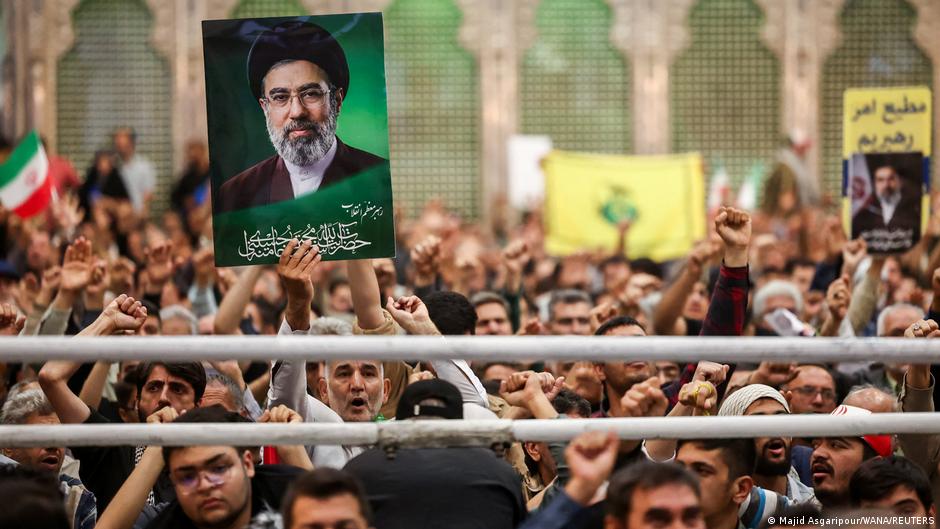
On February 28, the US and Israel launched joint airstrikes targeting military and strategic sites across the Islamic Republic. Key facilities of the
Read Full Story at DW World →Why This Matters
The latest strikes represent the first direct, large-scale assault on Iran’s military infrastructure by the U.S. and Israel, signaling a dramatic escalation beyond proxy conflicts. For decades, Iran has projected resilience through asymmetric warfare and proxies, but this attack challenges the narrative of invincibility that has underpinned its regional influence.
Background Context
Iran’s Islamic Revolutionary Guard Corps (IRGC) has long operated with near-impunity in Syria, Iraq, and Yemen, using these fronts to project power without facing full-scale retaliation. The country’s ballistic missile program and uranium enrichment facilities have remained primary targets for Western intelligence, yet this is the first time such sites have been struck with coordinated U.S.-Israeli firepower.
What Happens Next
The immediate risk is a rapid cycle of retaliation and counter-retaliation, with Iran likely to respond through its proxies in Lebanon, Syria, or Iraq to avoid direct confrontation. The strikes also raise questions about whether the U.S. and Israel are testing Iran’s willingness to engage in direct conflict or preparing for a broader campaign to degrade its military capabilities.
Bigger Picture
This escalation reflects a growing consensus in Washington and Tel Aviv that Iran’s nuclear ambitions and regional aggression must be met with military deterrence rather than diplomacy alone. It also highlights the shifting calculus of Middle Eastern power dynamics, where traditional state actors are increasingly willing to bypass proxies in favor of direct confrontation.





