Iran deal presents political nightmare for Netanyahu
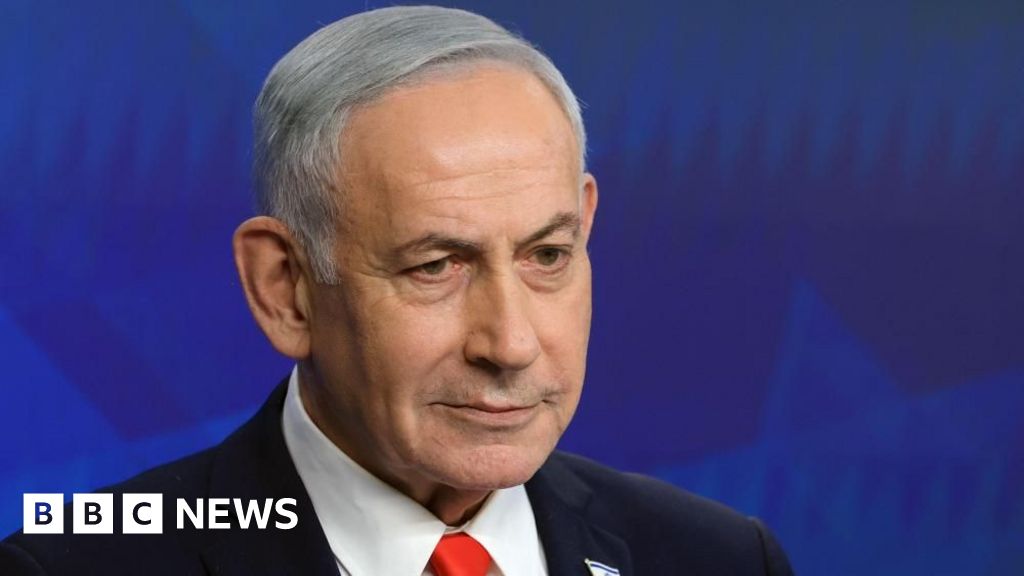
The US ceasefire agreement with Iran has presented Israel's prime minister with a political nightmare, smashing the three cornerstones of Benjamin Netanyahu's political career, and leaving him trappe…
BBC World News — 15 June 2026
Text:
19
0
0
The US ceasefire agreement with Iran has presented Israel's prime minister with a political nightmare, smashing the three cornerstones of Benjamin Net
Read Full Story at BBC World News →
⚡ Quickyla Analysis
Original editorial context — not sourced from the article above
The unfolding ceasefire deal between the U.S. and Iran represents more than a diplomatic shift—it strikes at the core of Benjamin Netanyahu’s political identity and legacy. For decades, the Israeli prime minister has built his career on an uncompromising stance toward Iran, framing its nuclear ambitions as an existential threat to Israel and the West. His staunch opposition to the 2015 nuclear agreement, combined with fiery rhetoric about Tehran’s regional influence, cemented his reputation as a bulwark against Iranian aggression. But the new ceasefire, brokered with U.S. backing, upends that narrative. It signals a recalibration of priorities in Washington, where regional stability now outweighs maximalist confrontation—a move that leaves Netanyahu exposed, politically and strategically.
The dilemma for Netanyahu is not just tactical but existential. His government has long relied on the perception of Iran as an imminent danger to justify military posturing, settlement expansion, and domestic policies framed as necessary for survival. With the U.S. now signaling a willingness to engage diplomatically, his hardline approach risks appearing out of step with broader geopolitical currents. Domestically, this could embolden rivals who have long accused him of overreach, while internationally, it weakens his ability to rally global support for unilateral actions against Iran. The political fallout is already visible: coalition fractures, public skepticism, and a growing sense that his once-unassailable leadership is losing its footing.
What remains unclear is whether Netanyahu can pivot without losing his base. His base thrives on confrontation, not compromise, and any perceived softening could trigger a backlash from far-right allies or even his own Likud party. Meanwhile, the ceasefire’s durability is uncertain. If it collapses under Iranian non-compliance or regional provocations, Netanyahu may regain rhetorical ground—but if it holds, his hardline stance will look increasingly untenable. The broader trend, however, is unmistakable: the world is moving toward managed engagement with Iran, and leaders who resist that shift do so at their peril. For Netanyahu, the question is no longer whether to adapt, but whether the political cost of resistance has finally become too steep.
Sources

🌍 World News
Man fleeing police attacked by alligator before continuing his getaway, Louisiana authorities say
🌍 World News
US crude exports hit record high in May as Iran war tightens global oil supplies

🌍 World News
Agitators outside Delaney Hall set up organized logistics operation before Newark protests began

🌍 World News
French doctors sound alarm over drinking water pollution

🌍 World News
Iran, Kuwait, Bahrain hit: Is the war in the Gulf escalating again?

🌍 World News
Four people trapped in flooded cave in Laos pulled to safety

