Iran releases footage of missiles launched at Israel
Iran has released footage of missiles launched at Israel, saying its attacks were "the beginning of a full week of continuous strikes." The Israel Defense Forces (IDF) said it struck military target…
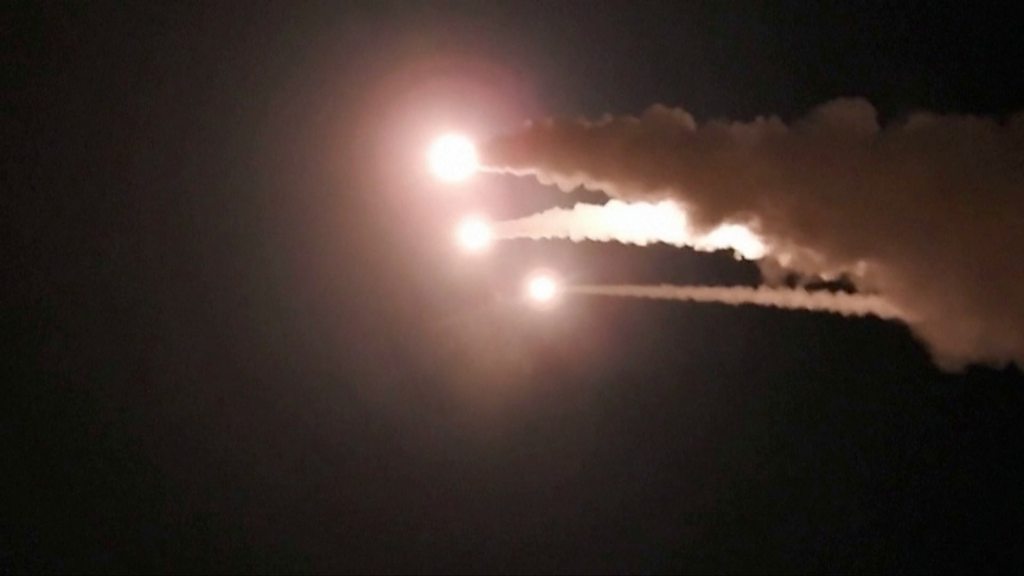
Iran has released footage of missiles launched at Israel, saying its attacks were "the beginning of a full week of continuous strikes." The Israel De
Read Full Story at BBC World News →Why This Matters
The direct missile exchange between Iran and Israel marks a dangerous escalation in the region's long-simmering tensions, signaling a potential shift from proxy conflicts to direct confrontation. The timing—amid shifting geopolitical alliances and ongoing regional instability—suggests that neither side is backing down, raising the stakes for broader international intervention. The footage release also serves as a calculated message to domestic and regional audiences about Iran's military capabilities and resolve.
Background Context
Since the 1979 Islamic Revolution, Iran has framed its military posture as a deterrent against perceived existential threats from Israel and Western powers, often through proxies like Hezbollah and Hamas. The latest strikes follow a pattern of retaliatory actions after Israel's targeted strikes on Iranian assets, including nuclear sites and military figures, which Tehran has vowed to avenge. This cycle underscores the fragile balance of power in the Middle East, where conventional warfare remains a last resort but risks spiraling unpredictably.
What Happens Next
Israel's swift military response suggests a strategy to degrade Iran's missile capabilities before they escalate further, but the open-ended vow of "continuous strikes" from Tehran complicates de-escalation efforts. International actors, particularly the U.S. and regional Gulf states, will likely intensify diplomatic pressure to prevent a wider conflict, though their leverage may be limited. The coming days will reveal whether this becomes a sustained campaign or a one-off show of force with lasting consequences.
Bigger Picture
This confrontation reflects a broader trend of eroding red lines in Middle Eastern conflicts, where asymmetric warfare is giving way to direct engagements between states. The normalization of missile strikes as a political tool risks normalizing further escalation, particularly as Iran seeks to assert itself as a regional military power. The episode also highlights the growing role of cyber and hybrid warfare in parallel with conventional strikes, blurring the lines between war and deterrence.






