⚽ Sports
Live
Iran v Iran in the stands as politics and football intertwine
On the tickets and in the listings, this match was billed as Iran v New Zealand. But in the stands and chanting outside the stadium, it was not the Kiwis who were Iran's most vocal opponents - it wa…
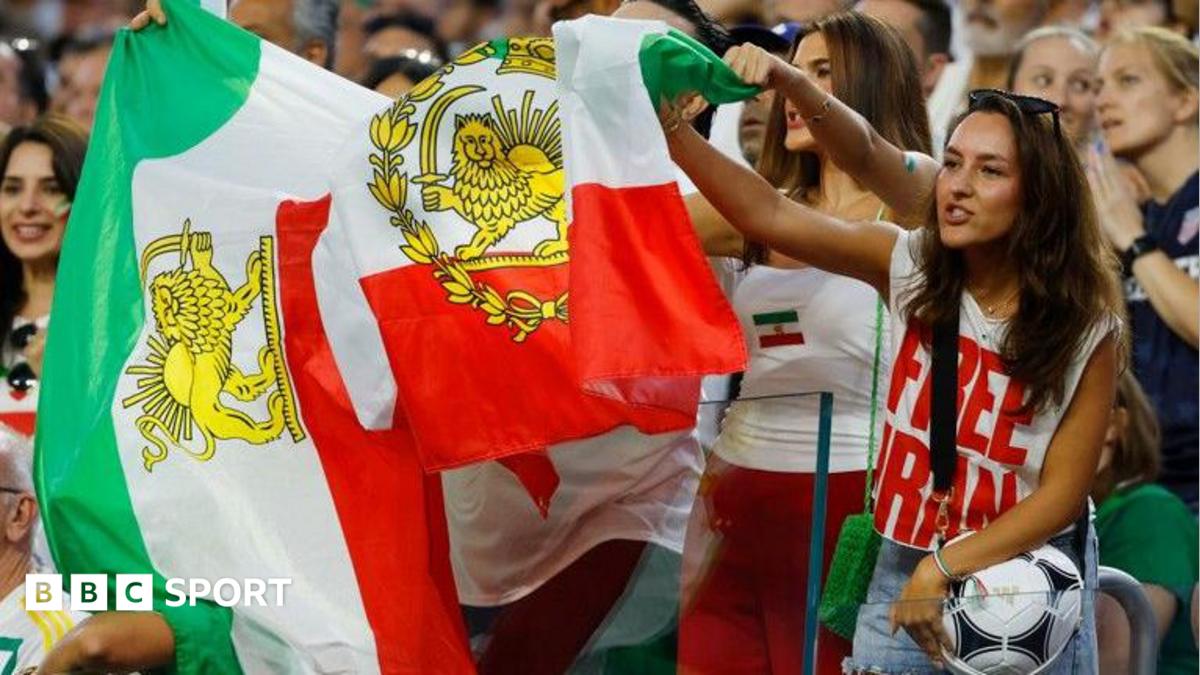
BBC Sport — 15 June 2026
Text:
21
0
0
On the tickets and in the listings, this match was billed as Iran v New Zealand. But in the stands and chanting outside the stadium, it was not the K
Read Full Story at BBC Sport →
⚡ Quickyla Analysis
Original editorial context — not sourced from the article above
The clash between Iran and New Zealand in football is not merely a sporting contest but a microcosm of deeper political and social tensions. While the match was officially billed as Iran vs. New Zealand, the real confrontation unfolded in the stands, where Iranian fans and dissidents turned the stadium into a battleground for their own ideological struggles. This phenomenon underscores how football, often seen as a unifying force, can become a proxy for political expression when national identity and dissent collide.
Iran’s football culture has long been a contested space. The national team, particularly under conservative leadership, has been leveraged as a tool of state propaganda, with players expected to align with the regime’s narratives. Yet, the fanbase has increasingly become a site of resistance, with supporters using stadiums as platforms to voice dissent against government policies, human rights abuses, and social restrictions. The presence of anti-regime chants during what was officially a neutral match highlights the growing disconnect between the state and its citizens, even among those who remain passionate about their national team.
This broader trend reflects a global pattern where sports events become arenas for political expression, from Qatar’s World Cup controversies to the 2022 Winter Olympics in China. Iran’s case is particularly fraught, given its history of suppressing dissent, including crackdowns on protests that have spilled into the public sphere. The fact that these tensions manifest in football underscores the sport’s symbolic weight in Iran, where it transcends mere competition to become a battleground for national identity.
Looking ahead, the question is how far this will go. Will FIFA or international football bodies intervene, risking backlash from either side? Will the Iranian government tighten its grip on fan behavior, potentially escalating tensions further? Or will the stadium continue to serve as a rare space where dissent can be voiced without immediate repercussions? One thing is certain: as long as football remains intertwined with politics in Iran, the stands will keep speaking louder than the scoreboard.
Sources
⚽ Sports
Don’t underestimate young athletes — the NAACP boycott plan could actually work

⚽ Sports
The football fans who went to a World Cup and loved it so much, they stayed
⚽ Sports
Barcelona Is Reportedly Pushing For Roony Bardghji’s Summer Exit

⚽ Sports
Arkansas baseball can't overcome pitching, defensive flaws as 2026 season ends
⚽ Sports
English clubs monitoring Marseille midfielder Tochukwu Nnadi’s situation

⚽ Sports
Champions League final: PSG's players and fans 'kept on believing'


