Iranian group could be labelled national threat under proposed new law
Legislation which would enable the home secretary to designate some state-linked organisations such as Iran's Islamic Revolutionary Guard Corps (IRGC) as a threat to national security could come into…
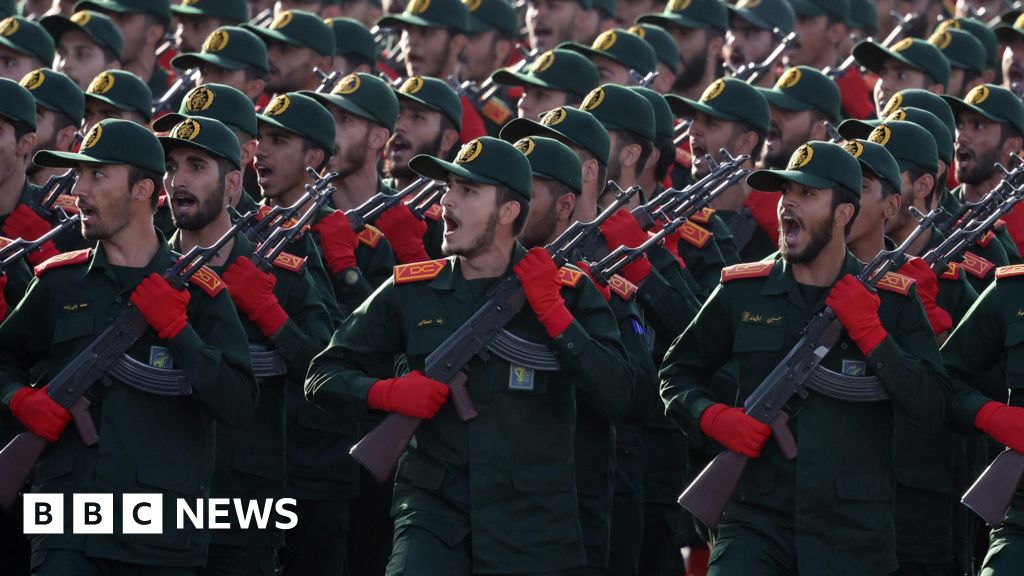
Legislation which would enable the home secretary to designate some state-linked organisations such as Iran's Islamic Revolutionary Guard Corps (IRGC)
Read Full Story at BBC Politics →Why This Matters
The proposed legislation marks a potential shift in how Western governments classify foreign state-linked groups, moving beyond traditional sanctions or diplomatic measures. If enacted, it could redefine national security frameworks by giving governments broader discretion to label non-state actors as existential threats—raising questions about legal thresholds and the balance between security and civil liberties.
Background Context
The IRGC has long operated as a dual military-civilian force in Iran, wielding influence over economic, political, and security sectors. British officials have repeatedly accused the group of supporting proxy militias across the Middle East, including in Iraq and Yemen, while also engaging in cyber operations and clandestine activities in Europe. The move reflects growing Western unease over Tehran’s expanding regional footprint and its perceived role in destabilizing neighboring states.
What Happens Next
The bill’s passage would empower the home secretary to impose sweeping restrictions, from asset freezes to travel bans, without requiring formal criminal charges. Observers will watch whether this sets a precedent for other governments to adopt similar measures, or if legal challenges emerge over definitions of "threat to national security." Meanwhile, Iran’s response—potential retaliatory measures or diplomatic escalation—could reshape UK-Iran relations in unpredictable ways.
Bigger Picture
This legislation aligns with a broader trend of securitizing foreign policy, where state-aligned groups are increasingly treated as de facto military extensions of adversarial governments. It also underscores a widening rift in how democracies and authoritarian regimes engage in hybrid warfare, with the UK signaling a willingness to confront non-traditional threats more aggressively than in past decades.






