🕌 Religion & Faith
Live
Israel signals status quo shake-up over Cave of the Patriarchs, Hebron
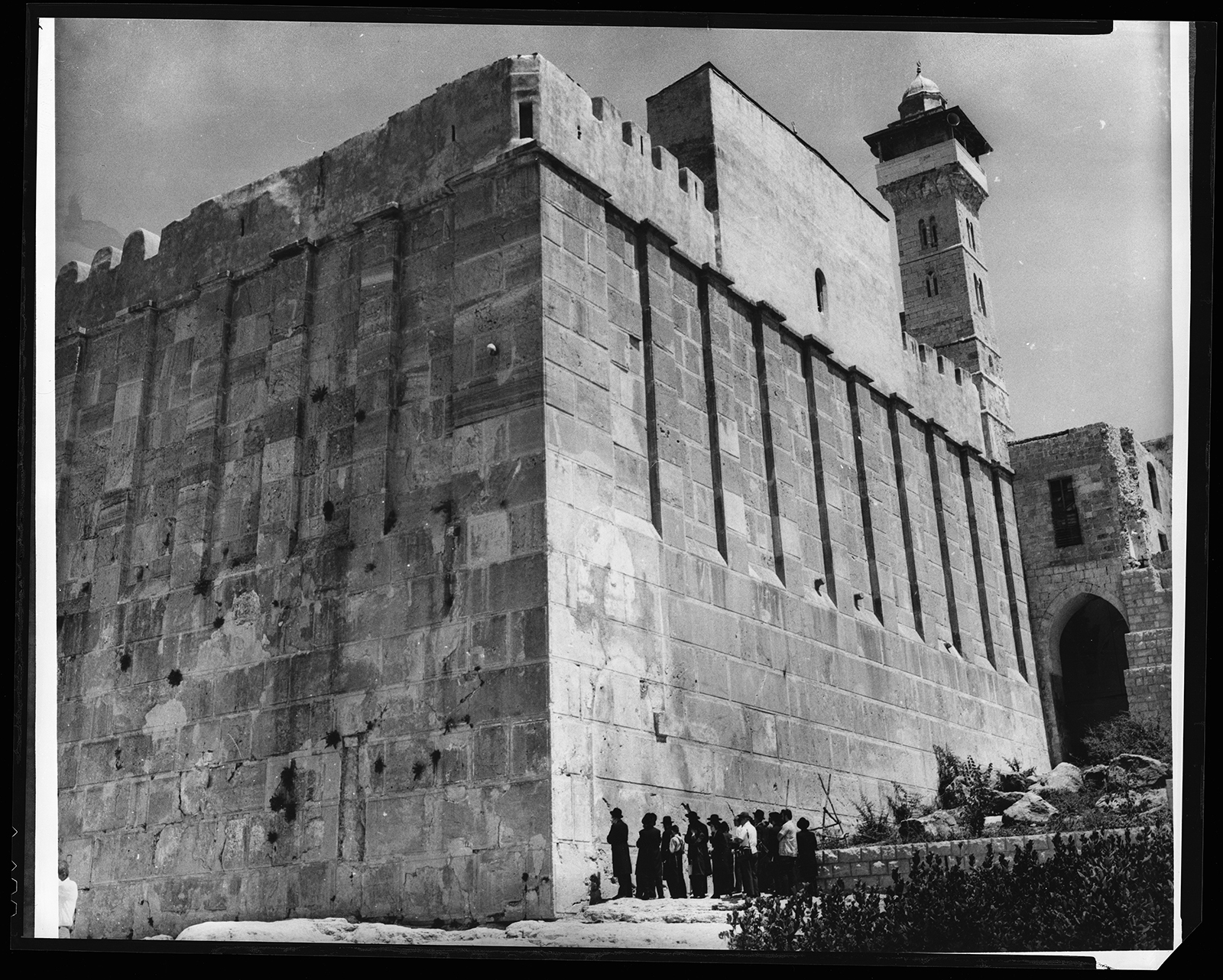
(RNS) — The site, known to Muslims as the Ibrahimi Mosque and to Jews as Ma’arat HaMakhpela — the Cave of the Patriarchs, in English — is the second-most-sacred site to both Jews and Muslims in the H…
Religion News Service — 17 June 2026
Text:
32
0
0
(RNS) — The site, known to Muslims as the Ibrahimi Mosque and to Jews as Ma’arat HaMakhpela — the Cave of the Patriarchs, in English — is the second-m
Read Full Story at Religion News Service →
⚡ Quickyla Analysis
Original editorial context — not sourced from the article above
Israel’s move to reconsider the status quo at the Cave of the Patriarchs in Hebron carries weight far beyond the religious sensitivities of the site itself. This ancient compound, revered by both Jews and Muslims, has long stood as a rare symbol of coexistence in a region where historical grievances often overshadow shared heritage. The decision—framed as a reassessment of existing arrangements—could signal a broader shift in how Israel approaches its relationship with religious and national identity in the West Bank, where tensions over control of holy sites frequently flare.
The Cave of the Patriarchs is more than just a religious landmark; it is a flashpoint in the Israeli-Palestinian conflict. Since the 1997 Hebron Protocol, the site has been divided between Jewish and Muslim worshippers, with separate entrances and prayer spaces. This fragile balance has endured despite periodic violence, including the 1994 massacre of 29 Palestinians by an Israeli settler. Any alteration to this arrangement risks reigniting hostilities, but it also reflects deeper currents in Israeli politics. The current government, led by figures who advocate for expanded Jewish sovereignty over the West Bank, may see this as an opportunity to assert control over contested territory under the guise of religious preservation.
What happens next remains uncertain. Will this signal a broader push to Jewishize other contested sites in the West Bank? Or is it a tactical move to placate right-wing factions without fully altering the status quo? The response from Palestinian leaders and the international community will likely be swift, with accusations of provocation and demands for restraint. Meanwhile, the Hebron community—already divided by Israeli military presence and settlements—could face renewed unrest.
This episode underscores a troubling trend: the weaponization of religious heritage to justify political control. As Israel grapples with its identity as a Jewish state and a democracy, the management of holy sites may become an increasingly contentious battleground. The Cave of the Patriarchs, a place meant to symbolize shared history, now risks becoming another casualty of division.
Sources

🕌 Religion & Faith
Defense Department rejiggers list of recognized religions after backlash, narrows it to 30
🕌 Religion & Faith
Odiong guilty in Texas: Questions remain for several Church leaders

🕌 Religion & Faith
Trump’s latest attack on Leo XIV isn’t really about the pope

🕌 Religion & Faith
Pope Leo XIII updates just war theory
🕌 Religion & Faith
Photos of the Week: Ebola responses, end of Hajj

🕌 Religion & Faith
High hopes, many challenges for Bangladesh’s first Indigenous Catholic MP

