Israel strikes Beirut suburb days after US-brokered truce
Israel has hit southern Beirut in the first attack on the Lebanese capital since a truce brokered by the US last week. Two air strikes on two apartment buildings in a stronghold of Iran-backed Hezbo…
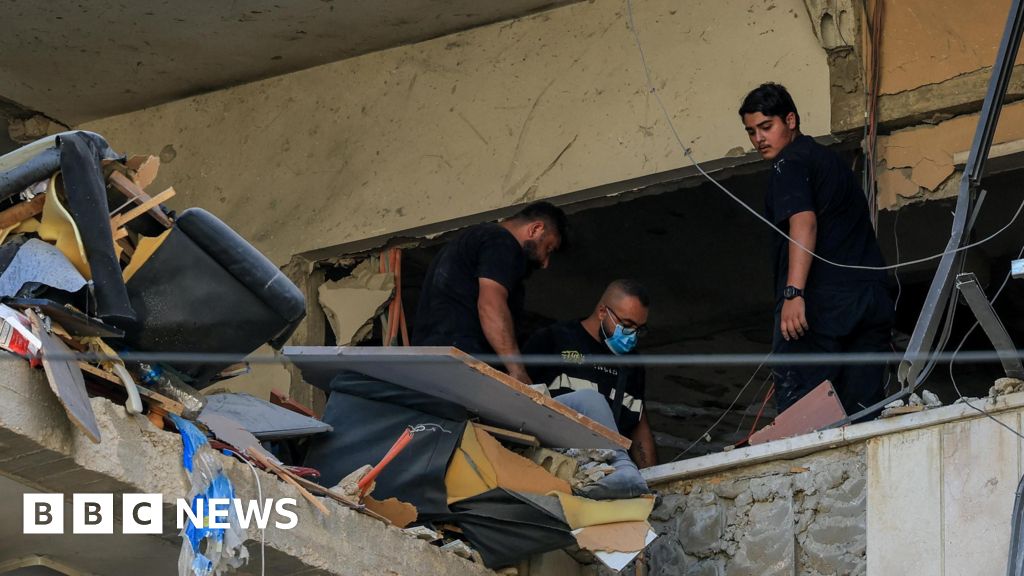
Israel has hit southern Beirut in the first attack on the Lebanese capital since a truce brokered by the US last week. Two air strikes on two apartme
Read Full Story at BBC World News →Why This Matters
The latest Israeli strikes on Beirut’s southern suburbs underscore the fragility of even short-lived ceasefires in a conflict where proxies and regional actors operate with near-impunity. By targeting Hezbollah strongholds so soon after a U.S.-brokered truce, Israel signals a willingness to escalate despite diplomatic pressure—a move that risks unraveling fragile de-escalation efforts across the Levant.
Background Context
Southern Beirut has long been a Hezbollah stronghold, where the group’s military infrastructure coexists with civilian neighborhoods, complicating any military response. The timing—days after a U.S.-mediated pause—suggests Israel’s calculus prioritizes deterrence over restraint, leveraging precision strikes to avoid full-scale war while testing Hezbollah’s response thresholds.
What Happens Next
Hezbollah’s reaction will likely dictate whether the truce collapses entirely, with the group facing pressure to retaliate without triggering broader hostilities. Regional mediators may scramble to revive talks, but Israel’s strikes could embolden hardliners on both sides to abandon dialogue in favor of tit-for-tat escalation.
Bigger Picture
This incident fits a pattern of calibrated violence where Israel and its adversaries avoid all-out war while maintaining pressure on each other. The recurrence of such strikes highlights how proxy conflicts—even amid diplomatic efforts—remain prone to sudden, destabilizing shocks that undermine long-term stability.





