Israeli strikes kill nine in Lebanon as Hezbollah fires rockets over border
Israeli strikes killed at least nine people in southern Lebanon on Wednesday, authorities said, as the Iran-backed armed group Hezbollah said it fired rockets into northern Israel. Lebanon's health …
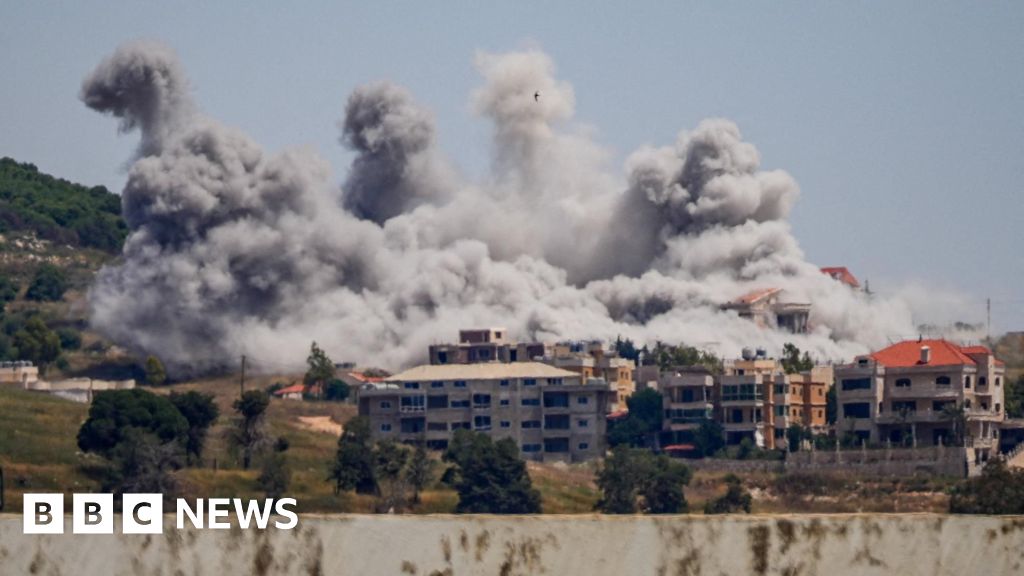
Israeli strikes killed at least nine people in southern Lebanon on Wednesday, authorities said, as the Iran-backed armed group Hezbollah said it fired
Read Full Story at BBC World News →Why This Matters
The escalation in violence along the Israeli-Lebanese border underscores the fragility of a region already strained by geopolitical tensions, regional conflicts, and proxy wars. With Hezbollah’s retaliation mirroring Israel’s broader strategy of deterrence through force, the latest strikes risk dragging Lebanon deeper into the crossfire of a wider regional confrontation that could reshape power dynamics in the Middle East.
Background Context
Southern Lebanon has long been a flashpoint, with Hezbollah—a militant group backed by Iran—maintaining a entrenched presence since the 2006 war. The group’s arsenal, now reportedly enhanced with precision-guided missiles, has shifted the balance of power, forcing Israel to adopt a more aggressive counter-strategy to prevent future attacks. Meanwhile, Lebanon’s political and economic collapse has left its government unable to curb the group’s activities, leaving civilians caught in the crossfire.
What Happens Next
If the tit-for-tat exchanges intensify, the risk of a full-scale conflict between Israel and Hezbollah grows, potentially drawing in other regional actors like Iran or even drawing Lebanon into a wider war. Diplomats may scramble to broker ceasefires, but given Hezbollah’s refusal to disarm and Israel’s determination to neutralize threats, de-escalation remains unlikely without significant concessions. Watch for signals from Tehran, Washington’s response, and whether Beirut can assert any influence over Hezbollah’s actions.
Bigger Picture
This latest flare-up fits into a broader pattern of regional instability, where proxy conflicts between Israel, Iran, and their allies are increasingly playing out in neighboring states. As Iran seeks to expand its influence through armed groups, Israel’s preemptive strikes suggest a willingness to confront these threats directly—even at the cost of civilian casualties. The trend points toward a more volatile Middle East, where localized clashes could quickly spiral into larger confrontations with global implications.







