'It was either killed or be killed' - ongoing nightmares of an ex-child soldier in Somalia
Shopkeeper Yusuf Ali still battles with memories of his time as a child soldier fighting on the streets of Somalia's capital, Mogadishu. The 34-year-old became embroiled in the Islamist insurgency, …
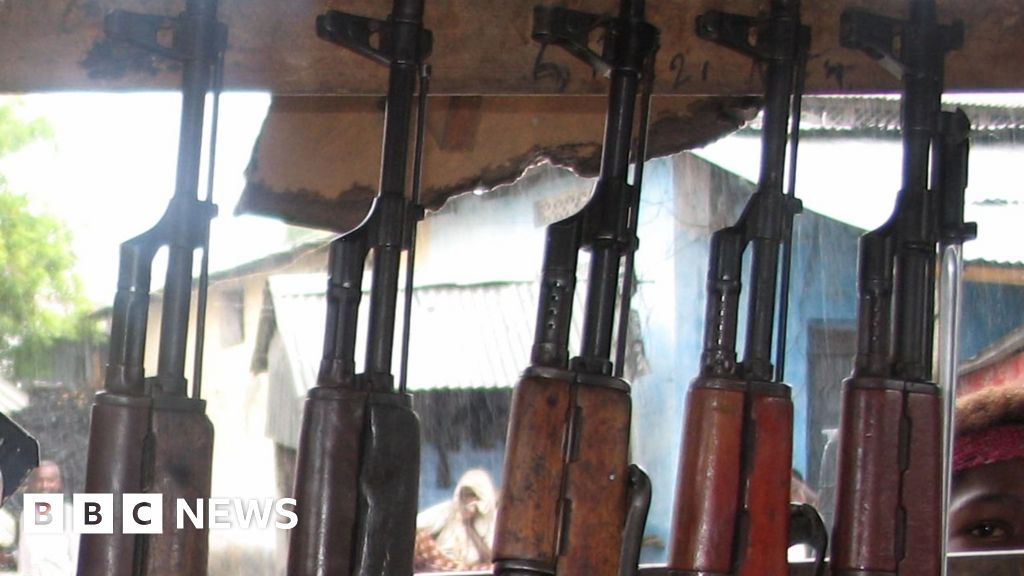
Shopkeeper Yusuf Ali still battles with memories of his time as a child soldier fighting on the streets of Somalia's capital, Mogadishu. The 34-year-
Read Full Story at BBC World News →Why This Matters
The reintegration of former child soldiers into civilian life remains one of the most urgent but underfunded challenges in post-conflict societies. Yusuf Ali’s story exposes the deep psychological scars left by Somalia’s decades-long insurgency, where the line between victim and perpetrator often blurs in the eyes of communities still grappling with trauma. His struggle underscores a harsh reality: without sustained mental health support and economic opportunities, the cycle of violence risks perpetuating itself across generations.
Background Context
Somalia’s civil war, which erupted in 1991 after the collapse of Siad Barre’s regime, created a vacuum exploited by Islamist militant groups like Al-Shabaab. Child recruitment became a tactical necessity for insurgent factions, who preyed on vulnerable youth in displaced communities where poverty and lack of education made them easy targets. The Somali government, despite international aid, has struggled to dismantle these networks while also addressing the root causes of radicalization in marginalized regions.
What Happens Next
As Somalia’s federal government pursues a fragile peace with clan-based militias, the fate of ex-child soldiers like Ali could determine whether the country stabilizes or relapses into violence. International donors may face pressure to expand deradicalization programs, but their effectiveness hinges on local buy-in—something that remains elusive in areas where Al-Shabaab still wields influence. Meanwhile, the psychological toll on survivors like Ali suggests that without targeted interventions, the insurgency’s human cost will outlast its military defeats.
Bigger Picture
Yusuf Ali’s case reflects a global pattern: in conflicts from Yemen to the Democratic Republic of Congo, child soldiers are increasingly viewed as disposable assets by militant groups, only to be abandoned by the same systems that failed to protect them. The growing recognition of PTSD among former combatants is reshaping post-war rehabilitation efforts, but funding and political will often lag behind the rhetoric. Somalia’s experience serves as a cautionary tale for other fragile states teetering on the edge of protracted insurgency.





