James Webb reveals two completely different twilights on an alien world
JWST has revealed dramatic differences between the dawn and dusk regions of the scorching exoplanet WASP-121 b. Fierce winds appear to carry heat from the planet’s permanent dayside, making the eveni…
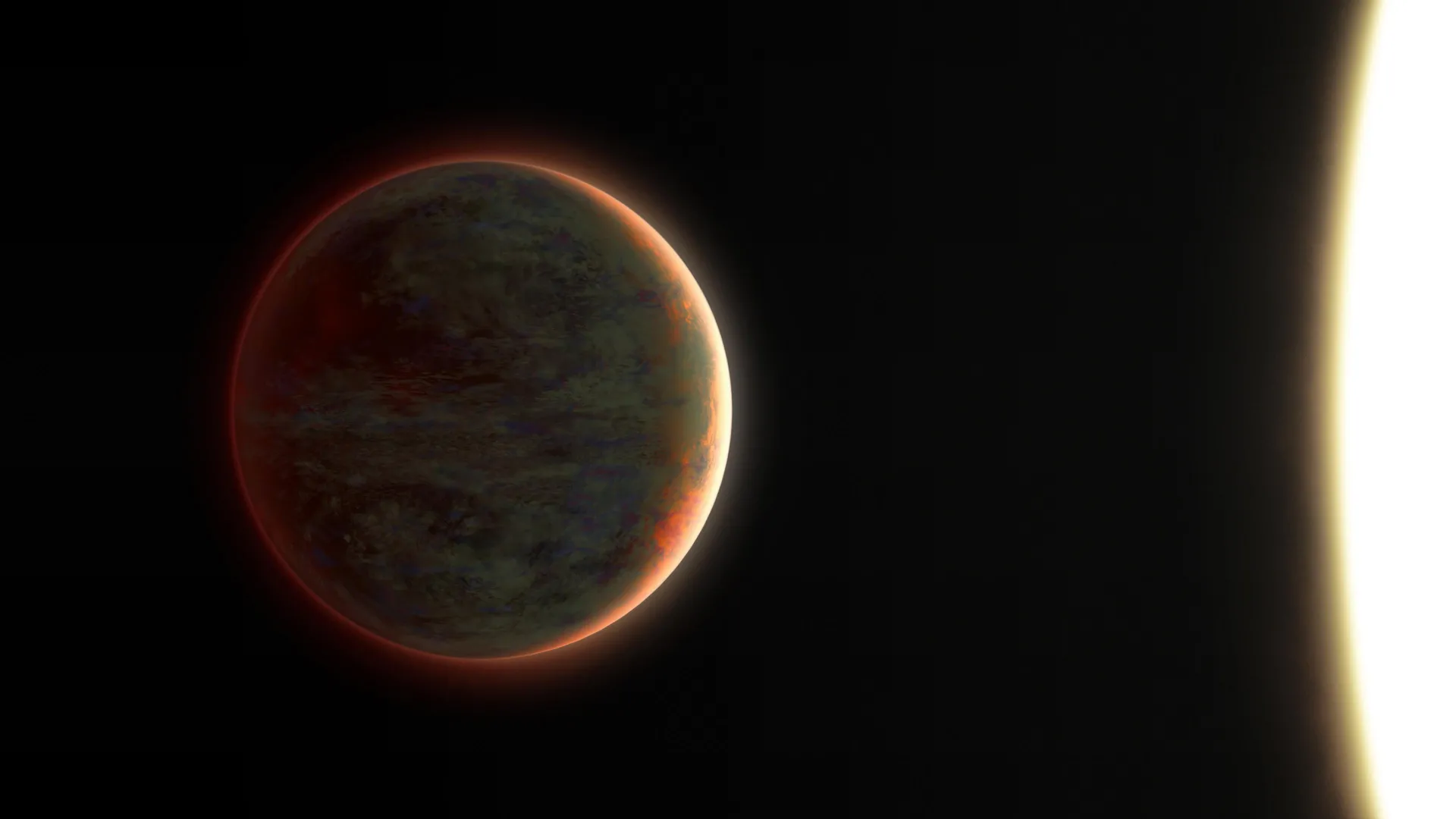
JWST has revealed dramatic differences between the dawn and dusk regions of the scorching exoplanet WASP-121 b. Fierce winds appear to carry heat from
Read Full Story at ScienceDaily →Why This Matters
The discovery underscores the James Webb Space Telescope's unparalleled ability to dissect atmospheric dynamics on distant worlds, offering a glimpse into the chaotic interplay of heat, chemistry, and wind on exotic planets. Beyond the spectacle, these findings challenge simplistic models of exoplanet climates, hinting that even tidally locked worlds—once thought to have predictable temperature gradients—may host far more turbulent and variable environments than anticipated.
Background Context
WASP-121 b, a gas giant orbiting perilously close to its star, was among the first exoplanets to reveal water vapor in its atmosphere over a decade ago. Its extreme proximity (completing an orbit in just 30 hours) has long made it a laboratory for studying tidal locking and atmospheric escape, but the JWST’s spectral instruments are now exposing layers of complexity previously hidden from even the most advanced ground-based telescopes.
What Happens Next
Researchers will likely focus on refining models of heat distribution on ultra-hot Jupiters, while expanding surveys to other similarly extreme worlds to determine if WASP-121 b’s split twilight is an outlier or a common trait. Follow-up observations with JWST’s MIRI instrument could reveal whether the temperature contrast drives unusual chemistry—like the formation of exotic minerals or even potential cloud layers composed of materials we’ve yet to identify.
Bigger Picture
This marks another milestone in the transition from mere exoplanet detection to detailed atmospheric archaeology, where each observation peels back another layer of cosmic complexity. As instruments like JWST and future missions push deeper into the infrared, the boundaries between planetary science and stellar meteorology are blurring—suggesting that the universe’s most violent climates may hold the keys to understanding both planetary formation and the potential habitability of more temperate worlds.







