Japan hits 6G key milestone with high-frequency speeds topping 100 Gbps
Japanese researchers achieved 100+ Gbps speeds in 6G tech using a miniaturized terahertz system. The chip, 90x smaller than alternatives, uses optical frequency combs for stable, high-speed data tran…
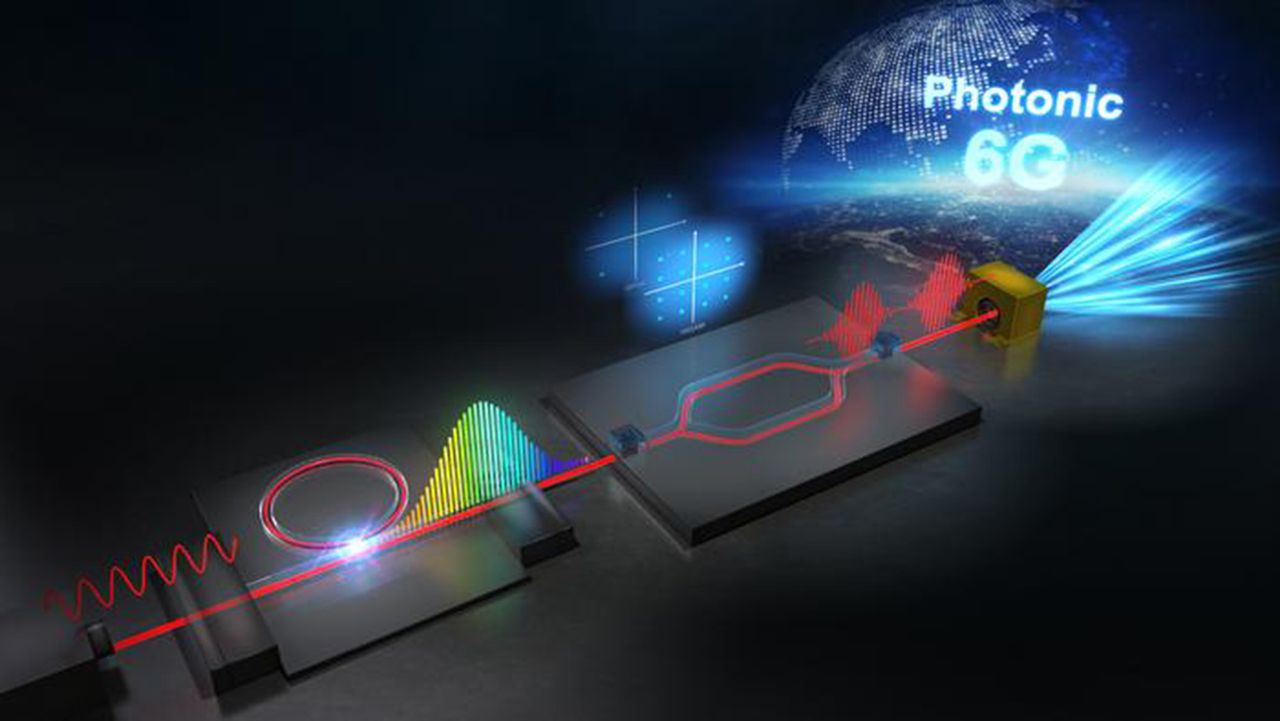
Japanese researchers have achieved a significant breakthrough in wireless communication technology, demonstrating a miniaturized microcomb-driven tera
Read Full Story at Live Science →Why This Matters
The breakthrough signals Japan’s potential to leapfrog global competitors in next-generation wireless infrastructure, positioning the country as a critical player in shaping 6G standards before commercial deployment. Achieving stable terahertz transmission at such scale also hints at future applications far beyond smartphones—enabling ultra-low-latency networks for autonomous systems, surgical robots, and even interplanetary communication.
Background Context
Japan’s push for 6G aligns with its post-2020 push to reclaim dominance in high-tech manufacturing, a sector where it once led but later ceded ground to South Korea and China in 5G. The country’s research focus on terahertz frequencies reflects a strategic bet on spectrum resources that remain largely untapped, unlike the congested bands used for 5G. Additionally, Japan’s aging population and shrinking workforce have intensified demand for automation and remote technologies, making high-speed wireless a national priority.
What Happens Next
Regulatory bodies like the ITU will likely accelerate 6G standardization efforts to accommodate Japan’s chip-level advancements, potentially sidelining U.S. or European alternatives if their prototypes lag. However, the miniaturized terahertz system must first prove scalability—transitioning from lab prototypes to mass production while maintaining cost parity with 5G infrastructure. Watch for partnerships between Japanese firms and automakers or healthcare providers to test real-world 6G use cases in the next 2–3 years.
Bigger Picture
This milestone underscores a broader shift toward "spectrum diversification," where nations and corporations vie for control of underutilized high-frequency bands to unlock entirely new technological frontiers. It also highlights how geopolitical competition is increasingly fought in R&D labs rather than factory floors, with Japan’s achievement serving as a reminder that leadership in next-gen tech isn’t guaranteed by legacy advantages alone.




