Japan Rates Hit Three-Decade High, But No ‘Meaningful Disruption’ to Crypto Market
Japan's central bank lifted rates to a level unseen in decades, a move that once shook crypto markets—yet prices barely stirred.
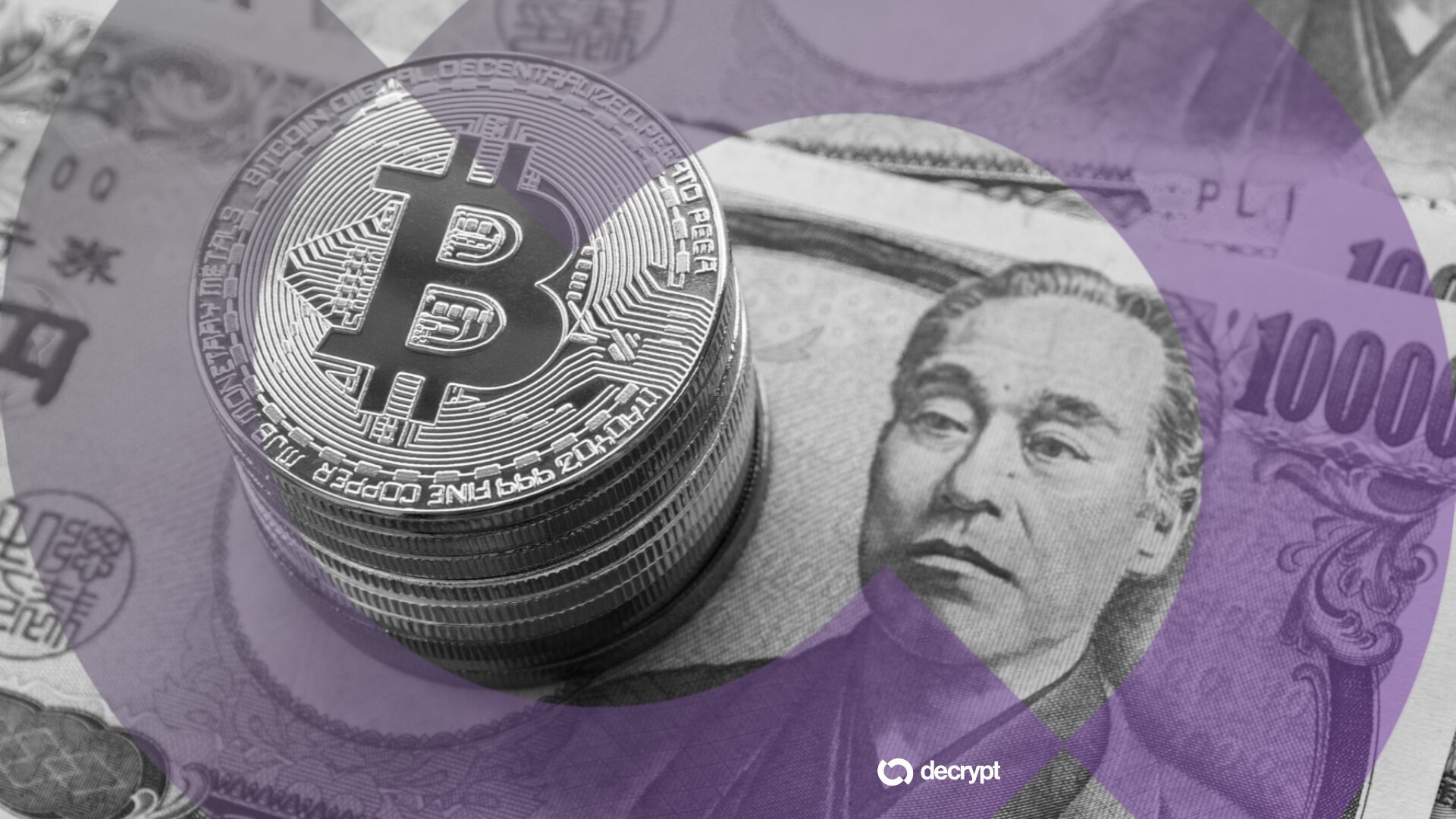
Decrypt — 16 June 2026
Text:
17
0
0
Japan's central bank lifted rates to a level unseen in decades, a move that once shook crypto markets—yet prices barely stirred. This report comes fr
Read Full Story at Decrypt →
⚡ Quickyla Analysis
Original editorial context — not sourced from the article above
Japan’s decision to raise interest rates to a three-decade high may seem like a seismic event for global markets, yet its muted impact on cryptocurrency prices underscores a quiet transformation in how digital assets interact with traditional finance. This divergence reflects a maturing crypto ecosystem, where speculative trading once dominated responses to macroeconomic shifts. Today, even significant monetary policy moves in major economies like Japan struggle to rattle a market that has grown more resilient—or indifferent—to conventional financial signals.
The Bank of Japan’s move is part of a broader withdrawal from years of ultra-loose monetary policy, a shift that could reshape global liquidity conditions. Historically, Japan’s near-zero rates fueled carry trades and speculative capital flows, some of which found their way into risk assets like Bitcoin. But as the central bank tightens, the question is whether this represents a structural shift or a temporary adjustment. The absence of a crypto reaction suggests traders may no longer view Japan’s policy as a primary catalyst, a sign of the asset class’s evolving independence—or perhaps its detachment from fundamentals.
Still, this doesn’t mean crypto is entirely insulated. Japan’s rate hike could signal a broader global tightening cycle, one that might eventually test crypto’s durability. If other major central banks follow suit, liquidity constraints could pressure risk assets, including digital currencies. Alternatively, if crypto continues to shrug off such moves, it may reinforce the narrative that it operates in a parallel financial universe, untethered from traditional macroeconomic levers.
Open questions remain: Will Japan’s policy shift encourage further yen appreciation, and could that indirectly affect crypto demand in Asia? Or is this simply another data point in crypto’s ongoing experiment with irrelevance to monetary policy? The answers could reveal whether digital assets are genuinely maturing or merely delaying their reckoning with the same economic forces that govern stocks, bonds, and currencies. For now, the calm suggests a market that has learned to navigate turbulence—but whether that resilience holds under sustained pressure remains to be seen.
Sources
📈 Markets & Finance
Sam Altman says OpenAI's top token spender uses 100 billion tokens a month — and they're not even the world leader

📈 Markets & Finance
Intel, AMD, Micron shares sink as Broadcom results spark semiconductor sector sell-off

📈 Markets & Finance
This Smart‑Money Legend Won Big on Intel. The Rest of His Portfolio Might Be Even More Revealing
📈 Markets & Finance
A new NJ bill would hand pet owners up to $900 in tax credits — and your state could be next

📈 Markets & Finance
MGM Resorts stock jumps as Barry Diller's People Inc. makes bid to take over the company
📈 Markets & Finance
Addressing Investor Transparency, Updates from Euronet Worldwide’s (EEFT) First Analyst Day in a Decade


