Japan reactor restart sparks fresh fears over nuclear waste storage
FILE - The operation floor inside the Unit 6 reactor building is pictured during a media tour at Tokyo Electric Power Company Holdings' (TEPCO) Kashiwazaki-Kariwa nuclear power station in Kariwa Vill…
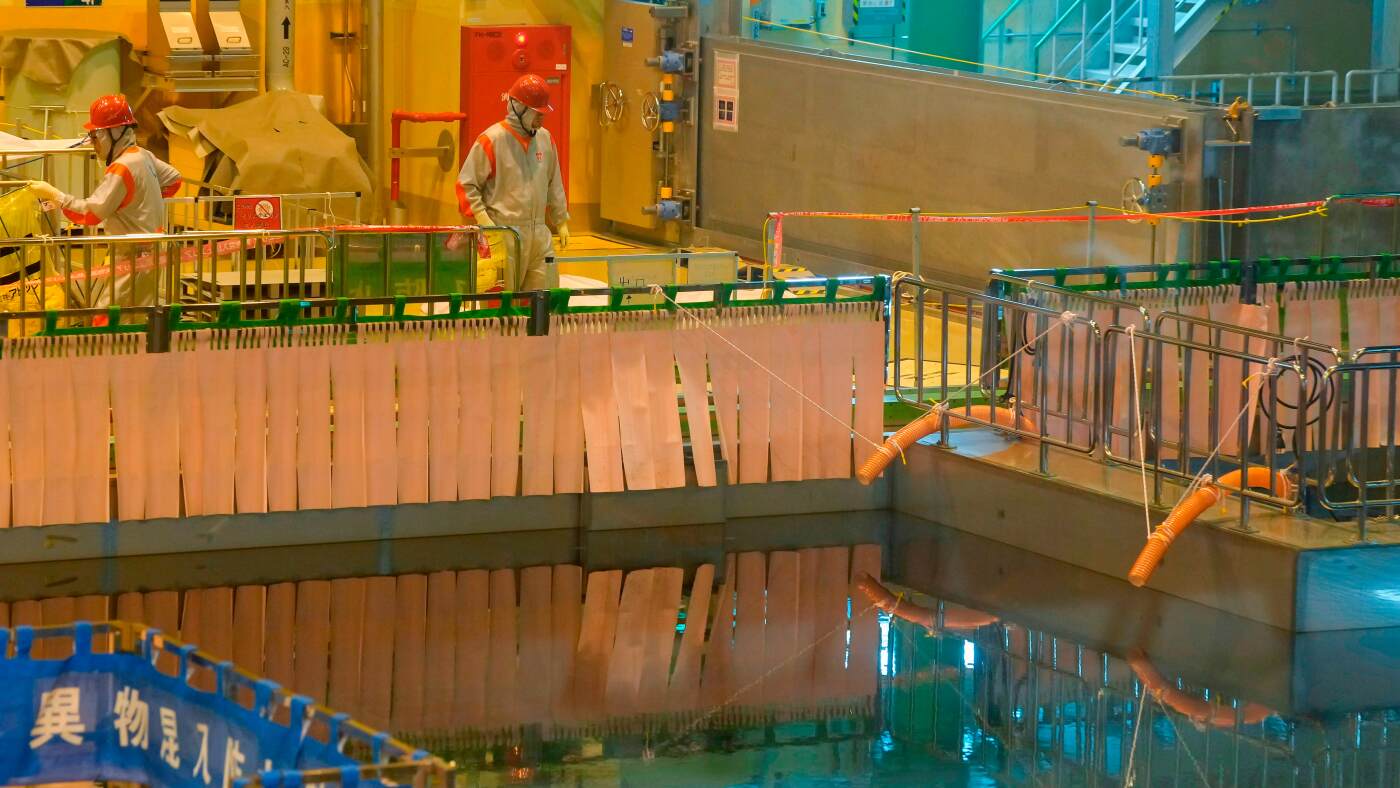
FILE - The operation floor inside the Unit 6 reactor building is pictured during a media tour at Tokyo Electric Power Company Holdings' (TEPCO) Kashiw
Read Full Story at NPR News →Why This Matters
Japan's decision to restart the Kashiwazaki-Kariwa nuclear plant—the world's largest by capacity—represents a pivotal moment in the country's post-Fukushima energy transition. The move underscores Tokyo's efforts to balance decarbonization goals with energy security amid global fossil fuel volatility, but it also reignites debates over nuclear waste management at a time when storage solutions remain unresolved.
Background Context
The Kashiwazaki-Kariwa plant, operated by TEPCO, has been idle since the 2011 Fukushima disaster, which exposed vulnerabilities in Japan's nuclear safety protocols. Despite regulatory reforms and public skepticism, the government has prioritized nuclear restarts to meet its 2050 carbon neutrality pledge, though local opposition and unresolved waste storage issues persist as major hurdles.
What Happens Next
If the reactor restarts proceed, stakeholders will closely monitor operational safety and waste output, particularly given the plant's seismic risks in a region prone to earthquakes. Public protests and legal challenges could delay progress, while international observers will scrutinize Japan's adherence to IAEA safety standards amid heightened global nuclear scrutiny.
Bigger Picture
This restart aligns with a broader global trend of developed nations re-evaluating nuclear energy as a low-carbon power source, despite persistent waste disposal challenges. However, Japan's case highlights the tension between urgent climate targets and the long-term uncertainties of nuclear waste storage, a dilemma likely to shape energy policies worldwide for decades.





