Japanese corporate pension fund plans 1% crypto allocation: Nikkei
A Japanese corporate pension fund with about 1,200 participating small and medium-sized businesses plans to allocate roughly 1% of its assets to crypto.
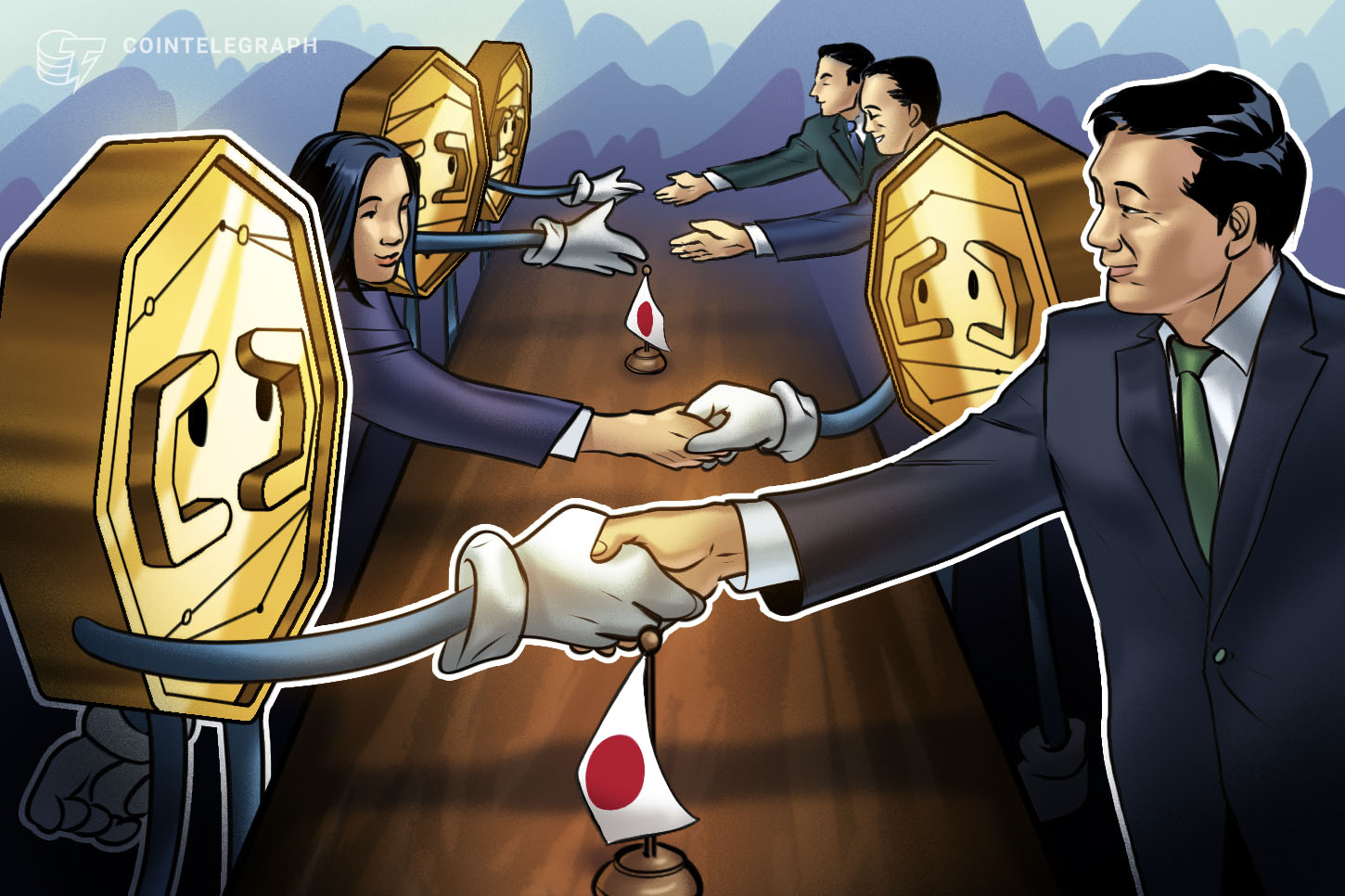
A Japanese corporate pension fund with about 1,200 participating small and medium-sized businesses plans to allocate roughly 1% of its assets to crypt
Read Full Story at CoinTelegraph →Why This Matters
This move signals a pivotal shift in Japan’s traditionally conservative institutional investment landscape, where corporate pension funds have historically shunned high-risk assets like cryptocurrencies. It could embolden other domestic allocators to reconsider crypto as a hedge against yen depreciation and stagnant domestic yields, potentially reshaping Japan’s role in the global digital asset ecosystem.
Background Context
Japan’s pension sector has long operated under strict regulatory constraints and risk-averse mandates, with allocations heavily skewed toward domestic bonds and equities. The country’s prolonged period of ultra-low interest rates has squeezed returns, compelling some funds to explore uncharted territory. This comes amid growing government efforts to position Tokyo as a crypto-friendly hub, including revised regulations and tax reforms.
What Happens Next
If the 1% allocation proceeds without regulatory hurdles, it may trigger a domino effect among peer funds, particularly those facing funding gaps. Regulators will likely scrutinize the move for systemic risks, while global crypto markets could see increased demand from Japanese capital. The fund’s implementation strategy—whether through direct holdings, ETFs, or managed products—will also be closely watched for precedents.
Bigger Picture
This reflects a broader trend of institutional capital cautiously embracing crypto as a diversification tool, despite lingering skepticism. Japan’s move contrasts with the cautious stances of peers like Germany or the U.S., where pension funds remain wary. It also underscores how macroeconomic pressures—such as Japan’s aging population and currency weakness—are forcing even the most conservative investors to explore unconventional strategies.




