📈 Markets & Finance
Live
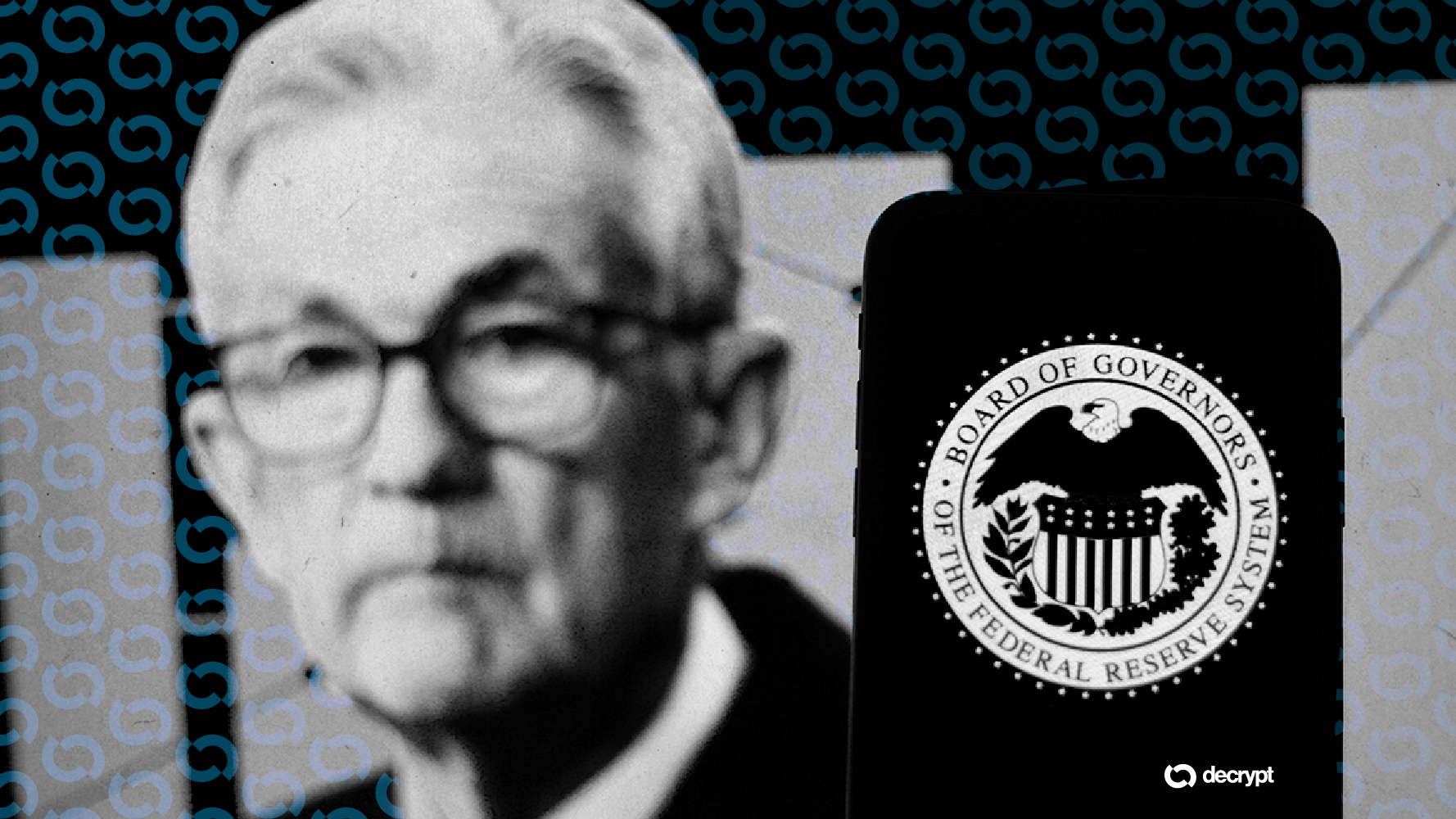
Jerome Powell Supports Fed's New Stablecoin Policies—But Chair Kevin Warsh Abstains
The proposed rulemaking establishes how U.S. crypto companies will have to screen stablecoin customers after the passage of the GENIUS Act.
Decrypt — 18 June 2026
Text:
21
0
0
The proposed rulemaking establishes how U.S. crypto companies will have to screen stablecoin customers after the passage of the GENIUS Act. This repo
Read Full Story at Decrypt →
⚡ Quickyla Analysis
Original editorial context — not sourced from the article above
The Federal Reserve’s new stablecoin oversight framework, now publicly backed by Chair Jerome Powell, marks a pivotal moment in the U.S. government’s cautious embrace of cryptocurrency regulation—but the dissent from Vice Chair Kevin Warsh underscores the deep divisions within financial policymaking circles. While Powell’s endorsement signals a pragmatic shift toward structured oversight, Warsh’s abstention hints at broader skepticism about the Fed’s role in policing an asset class still viewed by many as inherently unstable. This isn’t just about stablecoins; it’s about how the U.S. will balance innovation with risk in an era where digital assets are reshaping global finance.
The stakes are high because stablecoins, often pegged to the dollar, have quietly become the backbone of crypto trading, acting as both a safe haven and a liquidity bridge. Yet their lack of transparency and potential for systemic risk—evidenced by past collapses like TerraUSD—have left regulators scrambling. The GENIUS Act, a bipartisan effort passed last year, grants the Fed new authority to vet stablecoin issuers’ anti-money laundering and consumer protection measures, but its implementation reveals the tension between fostering growth and preventing another financial shock.
What remains unclear is whether this framework will stifle innovation or legitimize it. Critics argue that overly stringent screening could push stablecoin activity offshore, while proponents believe it’s a necessary step to prevent another crypto-driven crisis. Warsh’s abstention suggests he may favor a more hands-off approach, possibly aligning with those who see the Fed’s involvement as an overreach into what should remain a private-sector domain.
Looking ahead, the real test will be how these rules interact with broader trends—namely, the rise of central bank digital currencies (CBDCs) and the SEC’s ongoing battles with crypto firms. If the Fed’s policies prove effective, they could set a precedent for global stablecoin regulation, influencing how other jurisdictions balance innovation and control. But if the dissent persists, it could foreshadow a prolonged regulatory tug-of-war, leaving the industry in a state of perpetual uncertainty. The coming months will reveal whether this is a moment of cautious progress—or another chapter in the U.S.’s slow-motion crypto reckoning.
Sources
📈 Markets & Finance
Sam Altman says OpenAI's top token spender uses 100 billion tokens a month — and they're not even the world leader

📈 Markets & Finance
Intel, AMD, Micron shares sink as Broadcom results spark semiconductor sector sell-off
📈 Markets & Finance
A new NJ bill would hand pet owners up to $900 in tax credits — and your state could be next

📈 Markets & Finance
This Smart‑Money Legend Won Big on Intel. The Rest of His Portfolio Might Be Even More Revealing
📈 Markets & Finance
Addressing Investor Transparency, Updates from Euronet Worldwide’s (EEFT) First Analyst Day in a Decade

📈 Markets & Finance
MGM Resorts stock jumps as Barry Diller's People Inc. makes bid to take over the company


